What are the best dairy-free substitutes for baking without losing moisture?
The aroma of freshly baked goods often fills a home with warmth and anticipation. But for those navigating dairy restrictions, the journey to a moist, tender, and perfectly textured treat can feel like a quest for the holy grail. Many have experienced the disappointment of a beautifully risen cake only to find it dry and crumbly upon slicing, a common pitfall in dairy-free baking. The good news? With a technical understanding of ingredients, you can master effective dairy-free baking substitutes that deliver on texture and flavor.
Top dairy-free milk alternatives ranked for baking
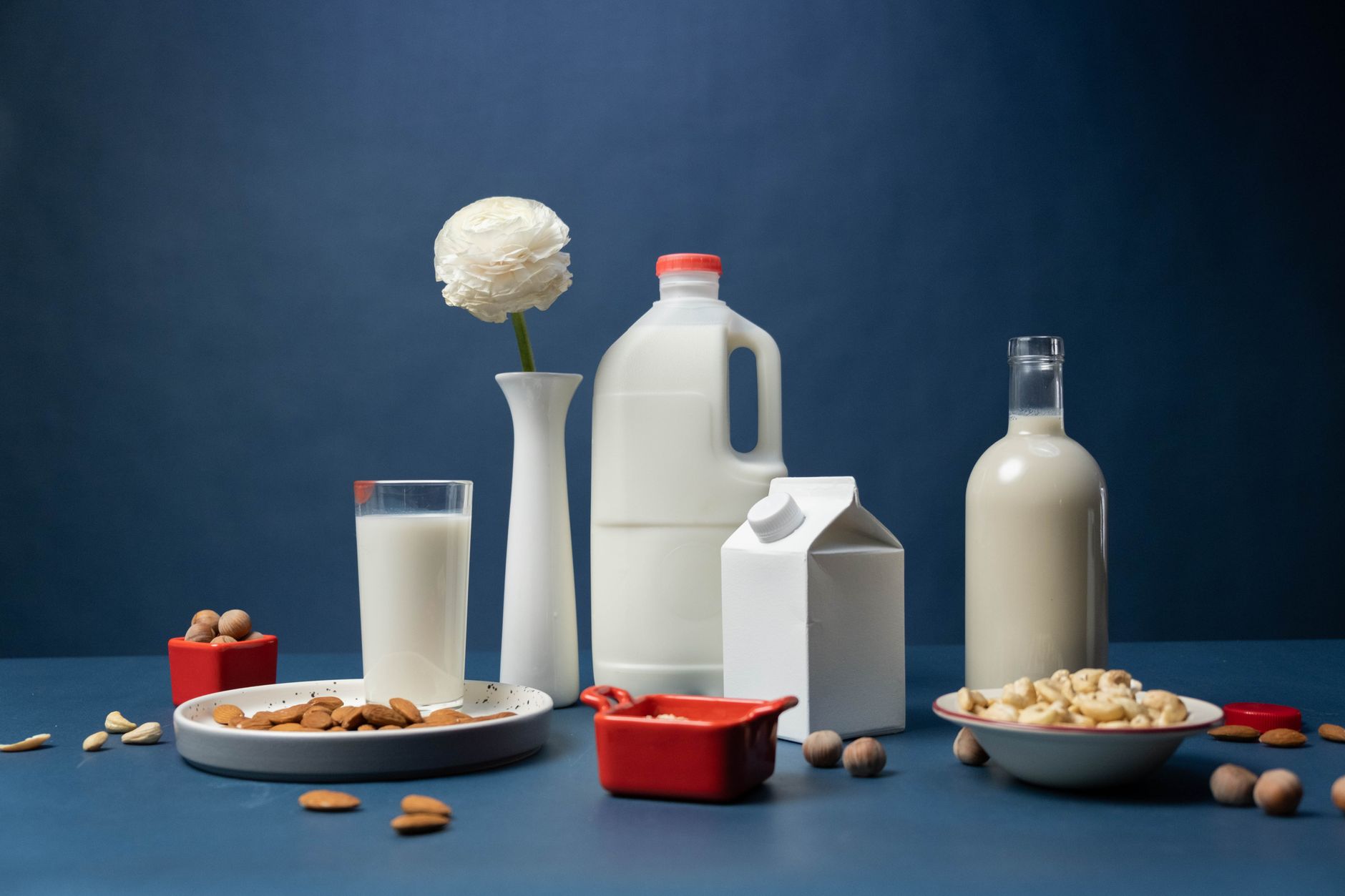
When it comes to replacing dairy, plant-based milks are often the first port of call. Their composition—water, protein, fat, and carbohydrates—varies significantly, impacting their performance in your recipes. Understanding these differences is key to maintaining moisture and achieving the desired crumb structure.
Here’s a breakdown of common dairy-free baking substitutes and their suitability for moisture retention:
- Soy Milk: Often considered the closest in protein content to cow’s milk, soy milk offers a creamy texture and good structure. Its mild flavor makes it versatile for most recipes, and its protein helps with browning and tender crumb development. It’s an excellent all-around choice for replacing milk 1:1.
- Oat Milk: Gaining immense popularity, oat milk is naturally creamy and slightly sweet, thanks to its higher carbohydrate content. This creaminess translates to moisture and richness in baked goods. Look for barista blends, which often have a higher fat content for even better results.
- Almond Milk: While widely available, almond milk (especially unsweetened varieties) can be thinner and lower in fat and protein than other options. This can sometimes lead to a slightly drier result if not compensated. It’s best in recipes where the primary moisture comes from other sources, or where a very light crumb is desired.
- Cashew Milk: Similar to almond milk but often creamier due to the higher fat content of cashews, cashew milk provides a richer mouthfeel and contributes well to moisture. It’s a good choice for dense cakes and rich desserts.
- Rice Milk: This milk alternative is typically the thinnest and lowest in protein and fat, often resulting in a less rich and potentially drier bake. It’s best reserved for recipes where a very light, almost airy texture is desired or for allergy concerns where other options are unsuitable.
- Full-Fat Canned Coconut Milk: This is a powerhouse for richness and moisture. The thick, creamy part solidifies when chilled, making it an excellent stand-in for heavy cream or even certain dairy fats. Its high fat content is crucial for tenderness. Use it for custards, rich cakes, and whipped toppings.
- Vegan Butter Sticks: Formulated to mimic dairy butter, these sticks are often a blend of vegetable oils (coconut, palm, soy, canola) and sometimes nuts. They provide similar fat content and plasticity, crucial for flakiness in pastries and tenderness in cakes. Always choose sticks over spreadable tubs for baking.
- Coconut Oil: A solid fat at room temperature (below 76°F), virgin coconut oil imparts a subtle coconut flavor, while refined coconut oil is neutral. It’s excellent for providing moisture and structure, particularly in cookies, brownies, and quick breads. Use melted or softened depending on the recipe.
- Vegetable Shortening: A flavorless, 100% fat option, shortening excels at creating tenderness and flakiness, especially in pie crusts and certain cookies. It doesn’t brown as well as butter but is superb for texture.
- Non-dairy Yogurt (e.g., soy, almond, coconut): Unsweetened non-dairy yogurt adds tang, moisture, and tenderness, much like dairy yogurt or buttermilk. The acidity can also interact with baking soda to provide lift. Opt for thick, plain varieties.
- Mashed Avocado: Believe it or not, mashed avocado can replace some fat in baked goods, contributing incredible moisture and a subtle richness without a noticeable avocado flavor in the final product. Start by replacing half the fat, as it can be dense.
- Unsweetened Applesauce: A popular low-fat option, applesauce adds moisture due to its water content and pectin. It can replace some of the fat and sugar in recipes, leading to a tender and moist crumb, though it might reduce browning slightly.
Pro Tip: When using thinner milk alternatives like almond or rice milk, consider adding a tablespoon of neutral oil or a tablespoon of cornstarch (whisked in) per cup of milk to boost richness and body, helping to achieve better moisture in dairy-free baking.
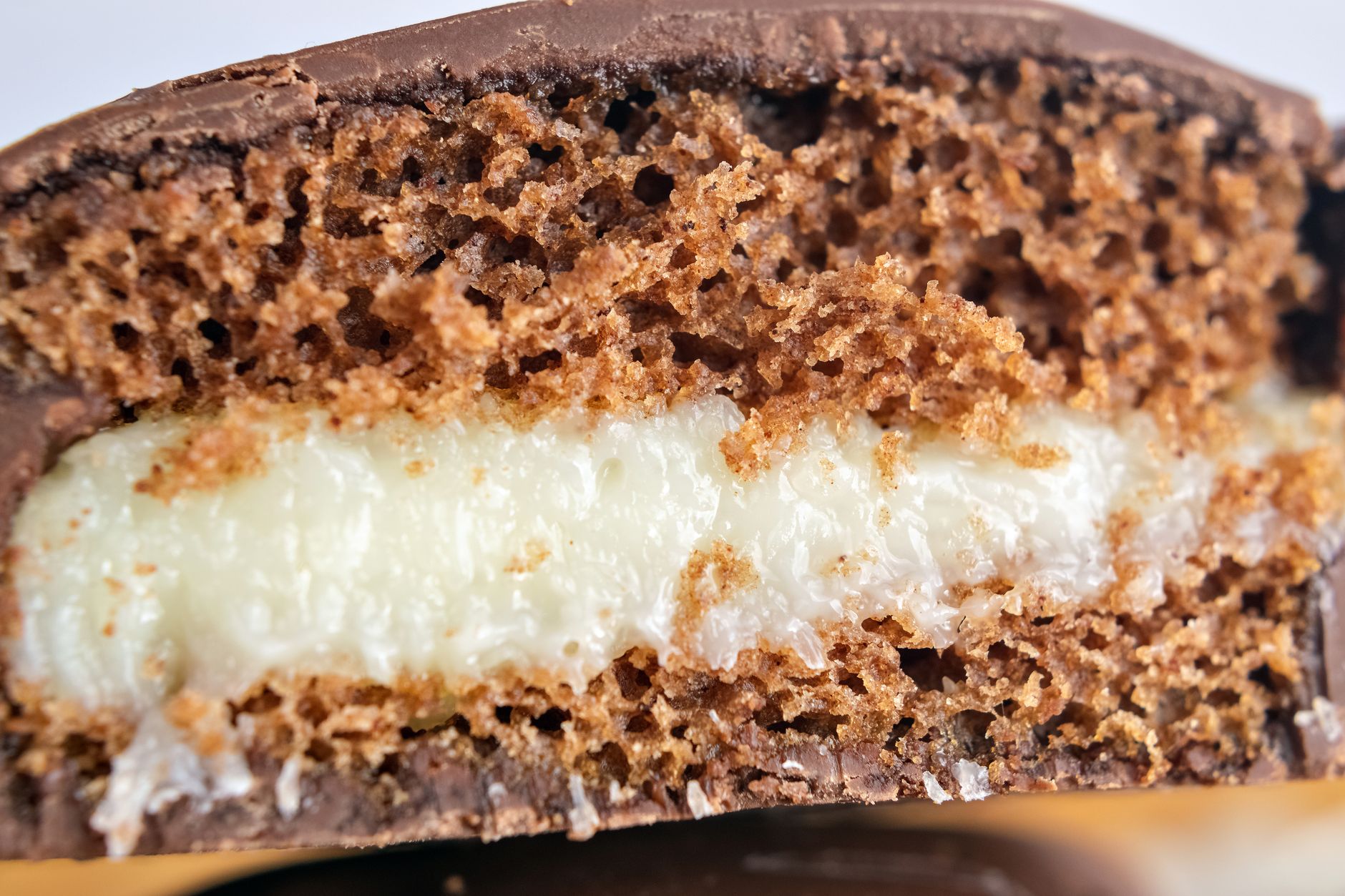
Understanding moisture and fat in baked goods
To truly master dairy-free baking, it’s essential to understand *why* traditional dairy products contribute so much to texture and moisture. Dairy components play several critical roles:
* **Fats (Butter, Cream):** Dairy fats encapsulate gluten strands, preventing them from developing too much and leading to a tough texture. They lubricate the crumb, contributing to a melt-in-your-mouth tenderness and a rich mouthfeel. Fats also trap air during creaming, creating lightness, and carry flavor compounds. Crucially, fats slow down moisture evaporation, keeping baked goods moist for longer.
* **Proteins (Milk, Yogurt):** Milk proteins (casein, whey) contribute to the structure and strength of baked goods, helping them rise and hold their shape. They also play a role in the Maillard reaction, contributing to that desirable golden-brown crust.
* **Sugars (Lactose in Milk):** Lactose contributes to browning and a slight sweetness, but its primary role in moisture is indirect, by attracting water.
* **Water Content:** Dairy products contain significant water, which hydrates dry ingredients, activates leavening agents, and creates steam during baking, contributing to lift and an open crumb.
When we remove dairy, we remove these functions. Therefore, effective dairy-free baking substitutes must mimic these properties. Replacing dairy fat with plant-based fats (vegan butter, coconut oil, shortening) directly addresses the tenderness and moisture retention. Using plant milks with higher protein and fat content (soy, oat, full-fat coconut milk) helps build structure and creaminess. Ingredients like applesauce, mashed banana, or even puréed silken tofu can act as humectants, holding onto moisture within the baked good.
Pro Tip: Don’t be afraid to combine dairy-free baking substitutes! For example, a blend of vegan butter and applesauce can provide both fat for richness and fruit for additional moisture, while reducing overall fat content.
Substitution ratios and conversion guide
Armed with knowledge of your ingredients, the next step is practical application. Here’s a guide to common dairy-free substitutions and their ratios. Remember that baking is a science, so slight adjustments may be needed based on the specific recipe and other vegan baking ingredients.
Replacing Dairy Milk:
- For every 1 cup of cow’s milk, use 1 cup of soy milk, oat milk, or cashew milk. Almond milk can work 1:1 but may result in a slightly less rich product.
- For richness in specific recipes, 1 cup of full-fat canned coconut milk can replace 1 cup of whole milk or even light cream.
Replacing Buttermilk:
- For every 1 cup of buttermilk, combine 1 cup of plain, unsweetened soy milk (or oat milk) with 1 tablespoon of lemon juice or apple cider vinegar. Let it sit for 5-10 minutes until it curdles slightly. This creates a “vegan buttermilk” that mimics the acidity and texture.
Replacing Butter:
- For every 1 cup (2 sticks) of dairy butter, use 1 cup of vegan butter sticks. This is the most direct substitute for creaming, pastry, and generally maintaining flavor and texture.
- For every 1 cup of dairy butter, use 3/4 cup of coconut oil (melted if recipe calls for melted butter, or solid if creaming). Note that coconut oil solidifies below 76°F (24°C), so it can affect the texture of chilled baked goods.
- For every 1 cup of dairy butter, use 3/4 cup of vegetable shortening for flaky crusts and tender cookies.
- For moisture and some fat reduction, substitute half the butter with 1/2 cup of unsweetened applesauce or mashed avocado. If using avocado, ensure it’s very ripe and mashed smoothly.
Replacing Yogurt:
- For every 1 cup of dairy yogurt, use 1 cup of plain, unsweetened non-dairy yogurt (soy, almond, or coconut-based). Ensure it’s thick and not watery.
Replacing Heavy Cream:
- For every 1 cup of heavy cream, use 1 cup of chilled full-fat canned coconut milk (scooping out the thick cream only). For a neutral flavor, blend 1 cup of raw cashews (soaked in hot water for 30 minutes, then drained) with 1/2 cup of fresh water until silky smooth.
Frequently Asked Questions
Can I use any milk alternative for baking?
While technically you *can* use almost any milk alternative, not all will yield the same results. Thinner options like rice milk or some almond milks (especially unsweetened, unfortified varieties) are lower in fat and protein, which are crucial for structure, moisture, and browning. For best results, opt for richer alternatives like soy milk, oat milk (especially barista blends), or cashew milk. Full-fat canned coconut milk is excellent for recipes requiring high fat content. Always consider the fat, protein, and sugar content of your chosen milk alternative and how it will interact with the other vegan baking ingredients.
Why do dairy-free baked goods dry out?
Dairy-free baked goods can often dry out for a few key reasons. Dairy fats (like butter) contribute significantly to moisture retention by coating gluten strands and preventing water loss during baking and cooling. When these fats are replaced with lower-fat alternatives or not adequately substituted, the baked goods can become crumbly. Additionally, dairy proteins contribute to structure and browning, and their absence can affect the overall texture. The key is to choose dairy-free baking substitutes that provide similar fat and moisture-holding properties, such as vegan butter, coconut oil, applesauce, or richer milk alternatives like oat or soy milk. Over-baking is also a common culprit; dairy-free items can sometimes cook faster, so watch them closely.
What’s the best substitute for buttermilk in baking?
The best substitute for buttermilk in dairy-free baking is a homemade “vegan buttermilk.” You can create this by combining 1 cup of plain, unsweetened soy milk (or a rich oat milk) with 1 tablespoon of an acidic agent like lemon juice or apple cider vinegar. Stir gently and let it sit for about 5-10 minutes until it visibly curdles. The acidity in this mixture is crucial for reacting with baking soda (if present in the recipe) to provide lift and tenderize the crumb, just like traditional buttermilk. Non-dairy yogurts (plain, unsweetened) can also work in a 1:1 ratio if you’re looking for a slightly thicker substitute with similar tang and moisture.
Pro Tip: When substituting, remember that a recipe is a delicate balance. If you’re replacing a high-fat dairy item with a low-fat dairy-free option (e.g., butter with applesauce), you might need to slightly increase a liquid or add a touch of oil to compensate for moisture loss.
Master dairy-free baking
Embarking on dairy-free baking doesn’t mean sacrificing flavor or texture. With a strategic approach to understanding and selecting the right dairy-free baking substitutes, you can consistently achieve moist, delicious results. Experiment with these vegan baking ingredients and techniques, and you’ll soon find yourself creating incredible baked goods that everyone can enjoy.