Is White Vinegar the Same as White Wine Vinegar?
When it comes to cooking and food preparation, a common confusion that often arises is whether white vinegar and white wine vinegar are the same. While both types of vinegar share similar names and appearances, they are distinct in terms of flavor, acidity, and uses.
White Vinegar
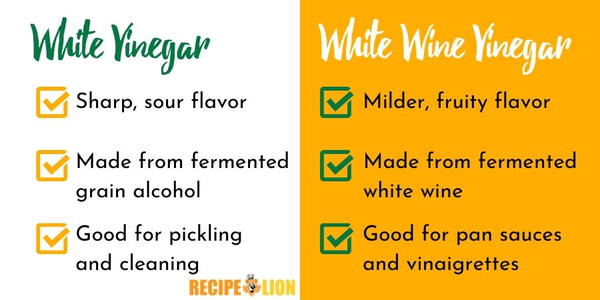
White vinegar, also known as distilled vinegar, is a type of vinegar made from the fermentation of distilled alcohol. It is typically clear and has a strong, sharp taste with high acidity levels. White vinegar is commonly used for pickling, cleaning, and preserving food due to its neutral flavor profile and affordability.
White Wine Vinegar
White wine vinegar, on the other hand, is made from the fermentation of white wine into vinegar. It has a milder taste compared to white vinegar and a more complex flavor profile with subtle fruity notes. White wine vinegar is often used in salad dressings, marinades, and sauces to add a tangy and slightly sweet touch to dishes.
Differences Between White Vinegar and White Wine Vinegar
- Flavor: White vinegar has a strong, sharp taste, while white wine vinegar has a milder flavor with fruity undertones.
- Acidity: White vinegar is highly acidic, while white wine vinegar has a moderate acidity level.
- Uses: White vinegar is commonly used for pickling and cleaning, whereas white wine vinegar is preferred in culinary applications for its flavor-enhancing properties.
Which One to Choose?
When deciding between white vinegar and white wine vinegar for your cooking needs, it ultimately comes down to the specific recipe and desired flavor profile. White vinegar is a versatile and affordable option for basic cooking and household purposes, while white wine vinegar can elevate the taste of dressings, marinades, and sauces with its nuanced flavor.
Conclusion
While white vinegar and white wine vinegar may appear similar at first glance, they differ significantly in taste, acidity, and uses. Understanding the distinctions between these two types of vinegar can enhance your culinary creations and ensure you achieve the desired flavors in your dishes.
For more culinary tips and expert advice, visit our home page here.











