Is vital wheat gluten safe for a low-carb diet or does it contain too many carbs?
Are you tirelessly searching for low-carb flour alternatives that don’t compromise on texture or elasticity in your baking? Many low-carb enthusiasts stumble upon vital wheat gluten, often wondering if this ingredient, with “wheat” in its name, can truly fit into their dietary goals without derailing progress. Let’s separate fact from fiction regarding vital wheat gluten for a low-carb lifestyle.

What is vital wheat gluten and its nutritional profile
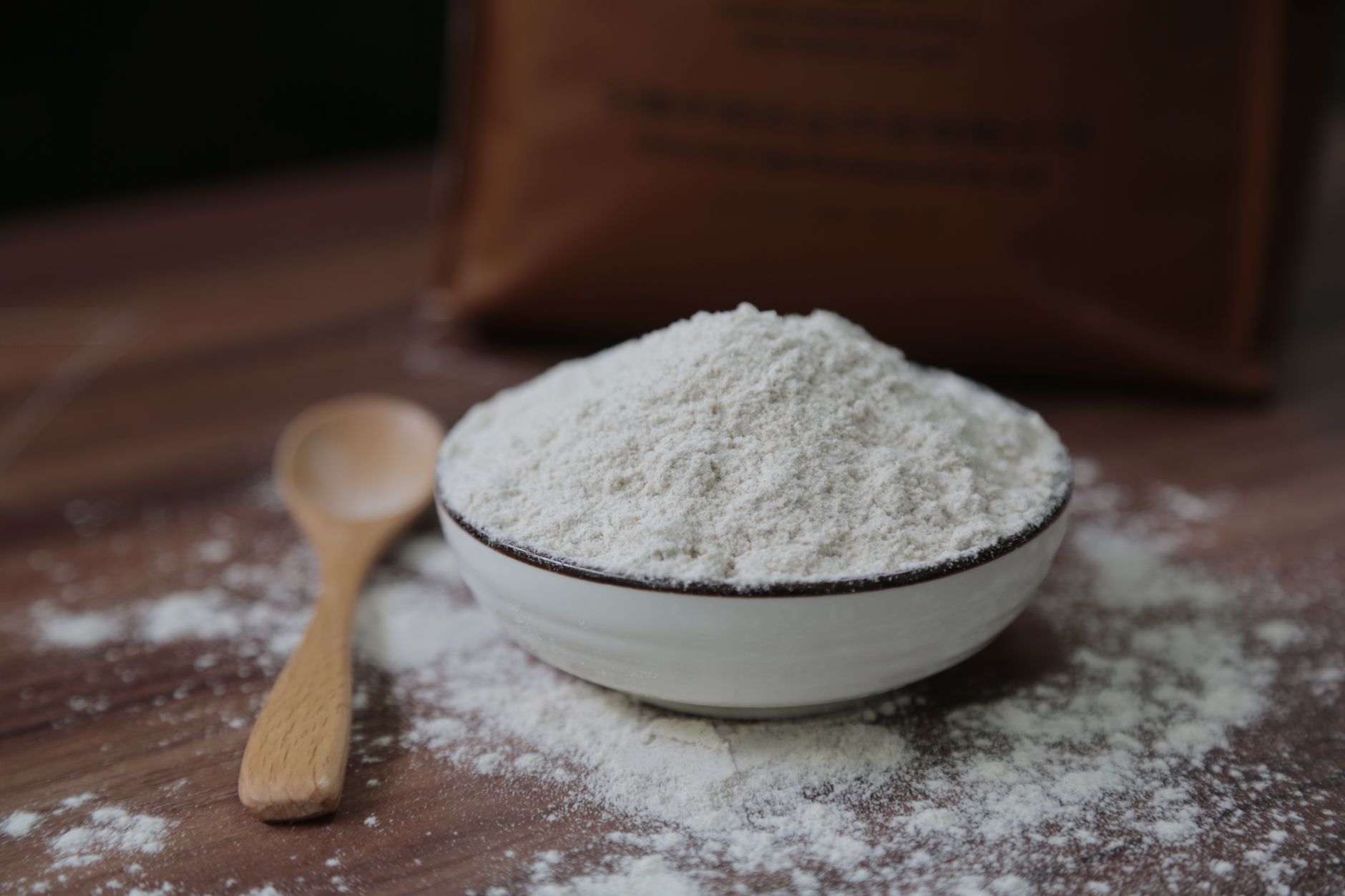
Vital wheat gluten is the protein extracted from wheat flour. When wheat flour is washed to remove starch, the sticky, elastic protein network that remains is vital wheat gluten. It’s renowned for providing structure, elasticity, and a satisfying chewiness to baked goods, making it a favorite among low-carb and keto bakers mimicking traditional bread textures.
Understanding its nutritional profile is key. While it originates from wheat, processing largely removes carbohydrates, concentrating the protein. Here’s a typical nutritional breakdown for about a 1/4 cup (28g) serving:
- Calories: 100-110
- Total Fat: 0.5-1g
- Saturated Fat: 0g
- Cholesterol: 0mg
- Sodium: 15-20mg
- Total Carbohydrates: 3-4g
- Dietary Fiber: 0g
- Total Sugars: 0g
- Protein: 21-23g
- Iron: 2-4% DV
- Calcium: 0-2% DV
Vital wheat gluten is an incredibly protein-dense ingredient with a minimal carbohydrate count per serving, making it a fascinating candidate for low-carb baking.

Carb content breakdown and comparison to alternatives
The core question for low-carb dieters is always about carbohydrates. While traditional wheat flour is a carb powerhouse, vital wheat gluten tells a different story. Let’s compare its carb content:
- Vital Wheat Gluten: Approximately 3-4g net carbs per 1/4 cup (28g).
- All-Purpose Wheat Flour: Approximately 22-24g net carbs per 1/4 cup (28g).
This stark comparison highlights why vital wheat gluten low carb potential is so appealing. It offers a significant reduction in carbohydrates compared to regular flour. How does it stack up against other low carb flour alternatives?
- Almond Flour: ~3g net carbs per 1/4 cup (28g). Different texture, no elasticity.
- Coconut Flour: ~4g net carbs per 1/4 cup (28g). Highly absorbent, no gluten structure.
- Psyllium Husk Powder: ~0-1g net carbs per 1 tablespoon, but offers no protein or structural benefits.
Vital wheat gluten carbs are remarkably low for an ingredient that provides unique textural benefits, especially the chewy, stretchy quality reminiscent of traditional bread.
Is it safe for low-carb and keto diets
Yes, for most individuals, vital wheat gluten is considered safe and beneficial for low-carb and keto diets. Misconceptions often stem from its name – “wheat gluten” – which raises flags for those avoiding grains. However, vital wheat gluten is processed to isolate the protein, leaving most starches behind.
For individuals without celiac disease or non-celiac gluten sensitivity, vital wheat gluten can be transformative for achieving desirable textures in baked goods. It enables fluffy breads, chewy bagels, and even “meat” substitutes (seitan) that are high in protein and extremely low in vital wheat gluten carbs. Its high protein content also contributes to satiety, aiding weight management.
Crucially, while low in carbohydrates, it contains gluten. Therefore, it is unsuitable for those with celiac disease or a gluten intolerance. For others, in moderation, it’s a valuable low-carb tool.
- Pro Tip 1: Start with small amounts (1-2 tablespoons per recipe) to assess texture and carb impact.
- Pro Tip 2: Combine vital wheat gluten with other low-carb flours like almond or coconut for balanced texture and flavor.
- Pro Tip 3: Store in an airtight container in a cool, dark place for freshness.
Low-carb recipes and practical applications
Embracing vital wheat gluten unlocks a new world of low-carb baking, replicating textures challenging with typical low carb flour alternatives. Here are practical applications:
- Keto Breads and Rolls: 1/4 to 1/2 cup can transform dense keto breads into light, airy loaves with a satisfying chew.
- Low-Carb Bagels and Pizza Crusts: Essential for classic chewy texture, vital wheat gluten creates strong, shapable dough for authentic bagels and crisp pizza crusts.
- “Meaty” Vegan/Vegetarian Options (Seitan): It’s the primary ingredient for making seitan, a high-protein meat substitute mimicking chicken or beef.
Simple Keto Wheat Gluten “Chewy Bread” Base
For a basic dough demonstrating the power of keto wheat gluten:
- Combine 1 cup almond flour, 1/4 cup vital wheat gluten, 2 tablespoons psyllium husk powder, 1 teaspoon baking powder, and 1/2 teaspoon salt.
- Whisk together 2 large eggs, 1/2 cup warm water (100-110°F), and 2 tablespoons melted butter or olive oil.
- Add wet to dry ingredients, mix to form dough. Let rest 5-10 minutes.
- Shape into small rolls or a mini loaf. Bake at 350°F for 25-35 minutes, until golden.
This shows how vital wheat gluten can elevate low-carb baked goods, offering chew without excessive vital wheat gluten carbs.
Frequently Asked Questions
How many carbs are in vital wheat gluten per serving?
A typical 1/4 cup (28g) serving contains approximately 3-4 grams of total carbohydrates. With negligible fiber, these are mostly net carbs, making it a very low-carb ingredient compared to traditional flours.
Can I use vital wheat gluten on a keto diet?
Yes, for most individuals without gluten intolerance or celiac disease, vital wheat gluten is valuable on a keto diet. Its high protein and very low carbohydrate count are ideal for creating keto-friendly baked goods with improved texture and elasticity. Monitor portions to stay within keto limits.
What are the best low-carb alternatives to vital wheat gluten?
While vital wheat gluten is unique for elasticity, other low-carb flours include almond flour, coconut flour, and lupin flour for general baking. For structure and binding without gluten, psyllium husk powder or xanthan gum are often used alongside other low-carb flours.
Does vital wheat gluten affect blood sugar levels?
As vital wheat gluten is primarily protein with very low carbohydrate content (3-4g per 1/4 cup), it generally has minimal impact on blood sugar levels compared to high-carb flours. Protein typically has a lower glycemic index. However, individual responses can vary.
Ultimately, vital wheat gluten is a powerful, low-carb ally for anyone looking to enjoy satisfying baked goods without derailing their dietary goals. For those who tolerate gluten, it offers a textural advantage unmatched by other low-carb flour alternatives, making it an ingredient worth exploring in your kitchen.