Is Temperature Less Cold in Compartments of Fridge?
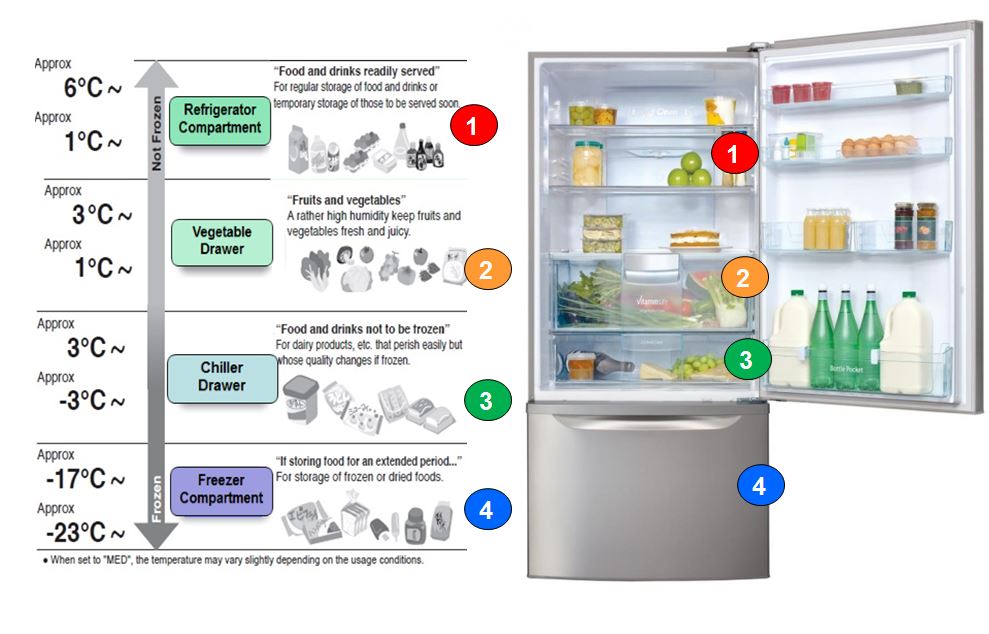
As we navigate the realm of refrigeration technology, a common question that arises is whether the temperature is less cold in certain compartments of a refrigerator. Understanding how temperature distribution functions within the fridge can provide clarity on this matter.
Temperature Distribution in a Refrigerator
A standard refrigerator is designed with different compartments to store various food items at optimal temperatures. Typically, the top shelves are colder than the lower ones, and the back of the refrigerator tends to be colder due to the location of the evaporator coil. The door shelves are usually slightly warmer compared to the main body of the fridge.
Understanding Variations in Temperature
The variance in temperature across different compartments of a fridge is influenced by several factors, including the refrigerator’s design, the placement of the evaporator coil, and the circulation of air within the appliance. The thermostat’s location and the frequency of door openings also play a role in temperature differentials within the refrigerator.
Temperature Settings and Food Storage
It is essential to set the refrigerator temperature to the manufacturer’s recommended level to ensure food safety and longevity. Storing temperature-sensitive items, such as dairy and meats, in colder regions of the fridge, like the back of the main compartment, can help maintain their freshness for a longer period.
Conclusion
In conclusion, while there are variations in temperature within different compartments of a refrigerator, the overall goal is to maintain a consistent and safe cooling environment for food storage. By understanding the factors that influence temperature distribution, users can optimize the layout of their fridge to preserve the quality of their food items effectively.
For more information on refrigeration and kitchen appliances, visit our homepage.











