Is Tajin Bad for You?
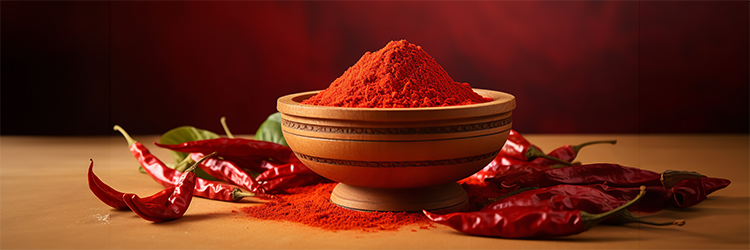
Tajin is a popular seasoning blend that is commonly used to add a tangy and spicy flavor to various dishes. Made from a mix of chili peppers, salt, and dehydrated lime juice, Tajin has gained widespread popularity for its unique taste profile. However, with any seasoning product, it is important to consider its impact on health and overall well-being.
Nutritional Content of Tajin
Tajin is known for its distinct flavor, but it is also important to understand its nutritional content. A typical serving of Tajin contains a small number of calories and is low in fat and sugar. However, Tajin is high in sodium due to the salt content, which may be a concern for individuals with high blood pressure or sodium-sensitive conditions.
Potential Health Benefits
Despite its high sodium content, Tajin does offer some potential health benefits. The chili peppers used in Tajin contain capsaicin, a compound thought to have anti-inflammatory and antioxidant properties. Additionally, the lime juice in Tajin provides a source of vitamin C, which is important for immune function and overall health.
Considerations and Moderation
While Tajin can be a flavorful addition to many dishes, it is important to consume it in moderation, especially for individuals who need to watch their sodium intake. Using Tajin sparingly and incorporating it into a balanced diet can help minimize the potential negative health effects associated with its high salt content.
Final Verdict
Overall, Tajin can be enjoyed as part of a balanced diet, but it is important to be mindful of its high sodium content. Incorporating Tajin into meals occasionally and in appropriate portions can allow you to enjoy its unique flavor without compromising your health.











