Is Sour Base or Acid?
Sourness is a fundamental taste that we perceive when tasting food or drinks. It is often associated with acidic flavors in various culinary creations. But is sourness considered a base or an acid? Let’s delve deeper into the world of taste and chemistry to explore this intriguing question.
The Science Behind Sourness
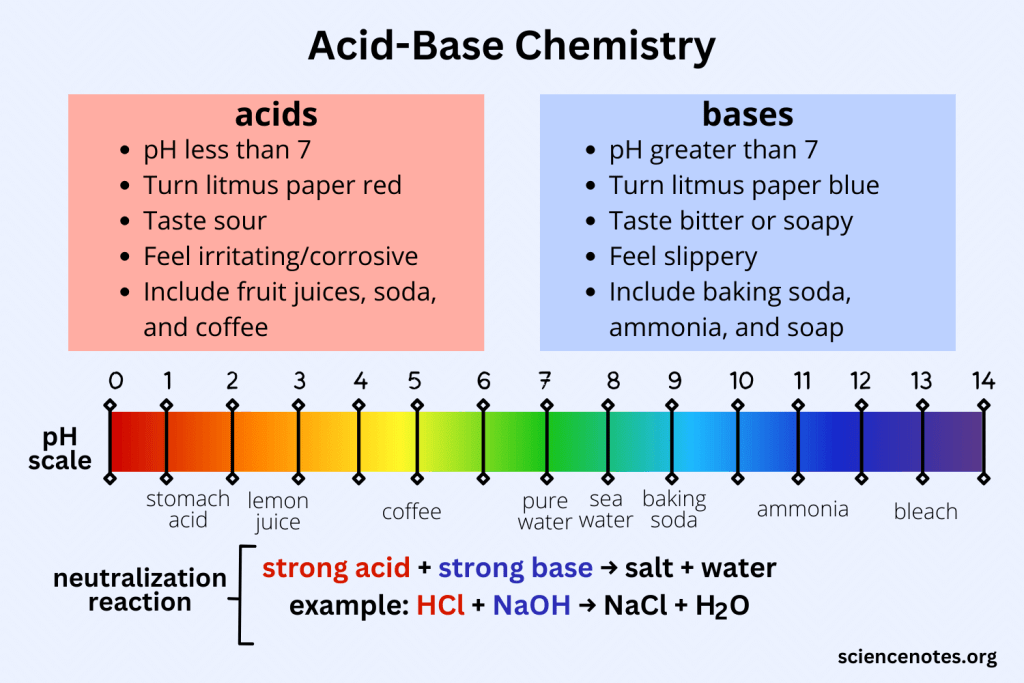
Sour taste is primarily caused by the presence of hydrogen ions in a substance. When a sour food or drink comes into contact with taste receptors on our tongues, these hydrogen ions stimulate specific taste buds responsible for sensing acidity. This perception of acidity is what we interpret as sourness.
Acidic Nature of Sourness
In the realm of chemistry, sourness is closely linked to acidity. Acids are substances that can donate protons or accept electrons, leading to the release of hydrogen ions when dissolved in water. This release of hydrogen ions is what imparts the characteristic sour taste to acidic foods like lemons, vinegar, and certain fruits.
Definition of Acids and Bases
Acids are substances that have a pH below 7, indicating a higher concentration of hydrogen ions in a solution. Bases, on the other hand, have a pH above 7 and tend to accept protons in chemical reactions. While sourness is associated with acidity, it is essential to note that not all acids taste sour, and not all sour substances are necessarily acids.
Conclusion
In the context of taste and chemistry, sourness is predominantly linked to acidity. The presence of hydrogen ions in sour foods is a defining characteristic that aligns with the properties of acids. Understanding the scientific basis of sourness enhances our appreciation of the diverse flavors present in the foods we enjoy.
For more intriguing insights into the world of taste and chemistry, visit our homepage.











