Is Parmigiano Reggiano Parmesan?
When it comes to Italian cheeses, Parmigiano Reggiano and Parmesan are often mentioned in the same breath, leading to confusion among consumers regarding whether these two cheeses are the same or different. Let’s delve into the world of Parmigiano Reggiano and Parmesan to uncover the facts.
What is Parmigiano Reggiano?
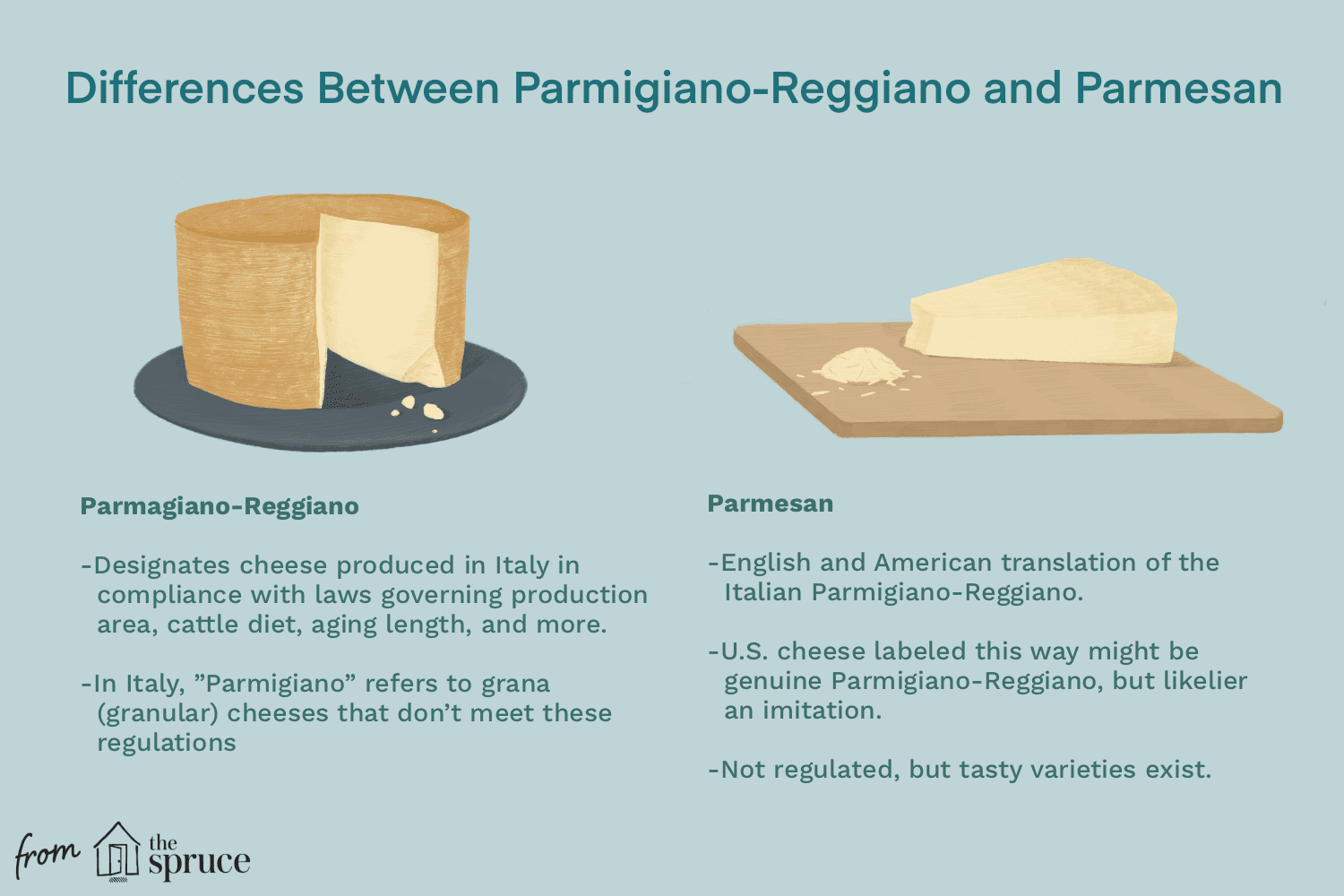
Parmigiano Reggiano is a high-quality Italian cheese that is widely regarded as the king of cheeses. Known for its distinct nutty flavor and hard texture, Parmigiano Reggiano is produced exclusively in the regions of Parma, Reggio Emilia, Modena, Bologna, and Mantua in Italy. This cheese is made from unpasteurized cow’s milk, rennet, and salt, with a meticulous aging process that can last anywhere from 18 to 36 months.
What is Parmesan?
On the other hand, Parmesan is a term that is often used generically to refer to any cheese that resembles Parmigiano Reggiano. While Parmesan cheese can be produced in various regions around the world, it does not necessarily adhere to the stringent production standards that govern the making of authentic Parmigiano Reggiano. As a result, Parmesan may vary in quality and flavor compared to its Italian counterpart.
The Difference
The primary difference between Parmigiano Reggiano and Parmesan lies in their origins and production processes. Parmigiano Reggiano is a protected designation of origin (PDO) cheese, meaning that it can only be made in specific regions in Italy under strict guidelines. On the other hand, Parmesan is a more generic term that can be applied to a broader range of cheeses that may not meet the exacting standards of Parmigiano Reggiano.
Conclusion
While Parmigiano Reggiano and Parmesan may share some similarities, it is crucial to recognize the distinctions between the two cheeses. Parmigiano Reggiano’s PDO status ensures its authenticity and superior quality, making it a sought-after cheese for connoisseurs around the world.
For more information on Italian cuisine and culinary delights, visit L’Arre Las Vegas.











