Is Farm Raised Salmon Bad?
Farm raised salmon has been a topic of debate among health and environmental experts, with opinions varying on its effects on human health, the environment, and sustainability. Let’s dive into the data to explore whether farm raised salmon is truly bad or if there are nuances to consider.
Health Concerns
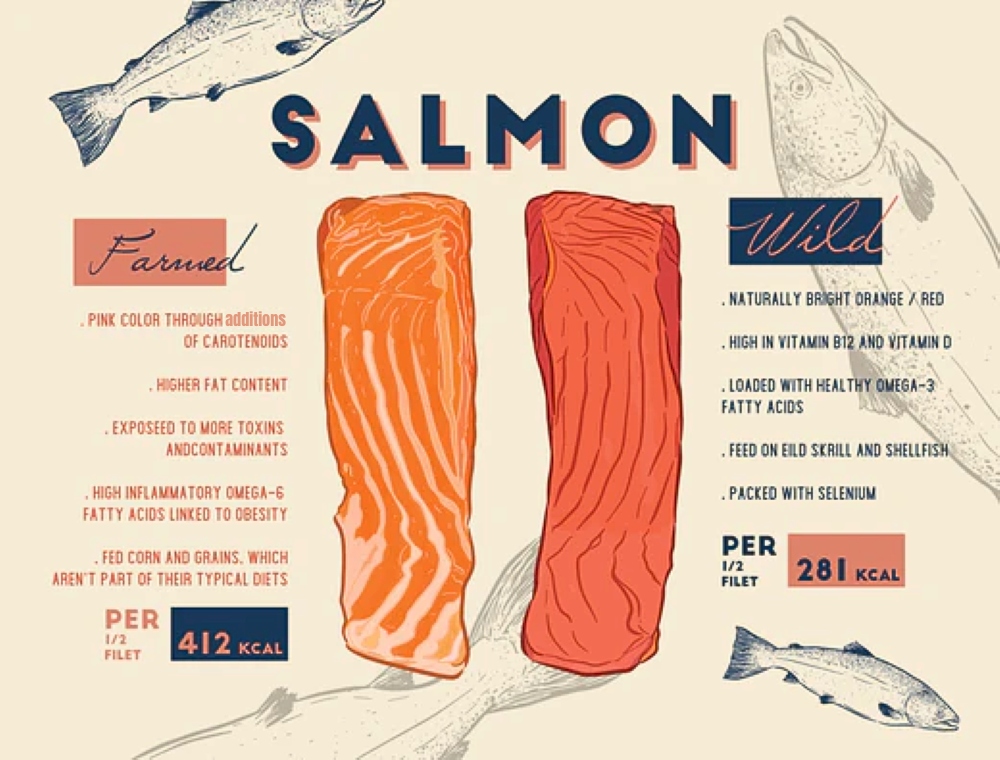
One of the primary concerns associated with farm raised salmon is its potentially higher levels of certain contaminants, such as PCBs and dioxins, compared to wild-caught salmon. These contaminants are often linked to negative health effects, including an increased risk of cancer and other health issues.
Additionally, farm raised salmon are often fed a diet that includes antibiotics and artificial pigments to enhance color, which can raise further health concerns among consumers. The presence of these substances in the fish can be troubling for those seeking a more natural and wholesome source of protein.
Environmental Impact
The environmental impact of farm raised salmon is a significant consideration in the debate. Salmon farms can contribute to pollution of water bodies, spread of diseases to wild fish populations, and destruction of marine ecosystems. The concentrated presence of farmed salmon in enclosed environments can lead to the buildup of waste and chemicals that harm the surrounding environment.
Escapes of farmed salmon into the wild can also pose a threat to the genetic integrity of wild populations, potentially impacting the overall health and resilience of these natural species.
Sustainability and Alternatives
Despite the concerns associated with farm raised salmon, some argue that sustainable farming practices, such as using closed containment systems and responsible sourcing of feed, can mitigate many of the negative impacts. By striving for transparency and eco-certifications, some salmon farms are working towards minimizing their environmental footprint and ensuring the health and well-being of their fish.
Conclusion
While farm raised salmon may have its drawbacks in terms of health concerns and environmental impact, it is important to consider the broader context and advancements in sustainable farming practices. Consumers can make informed choices by seeking out responsibly sourced farm raised salmon or exploring alternatives such as wild-caught or certified sustainable seafood options.
For more information on sustainable seafood practices, you can visit Larrea Las Vegas.











