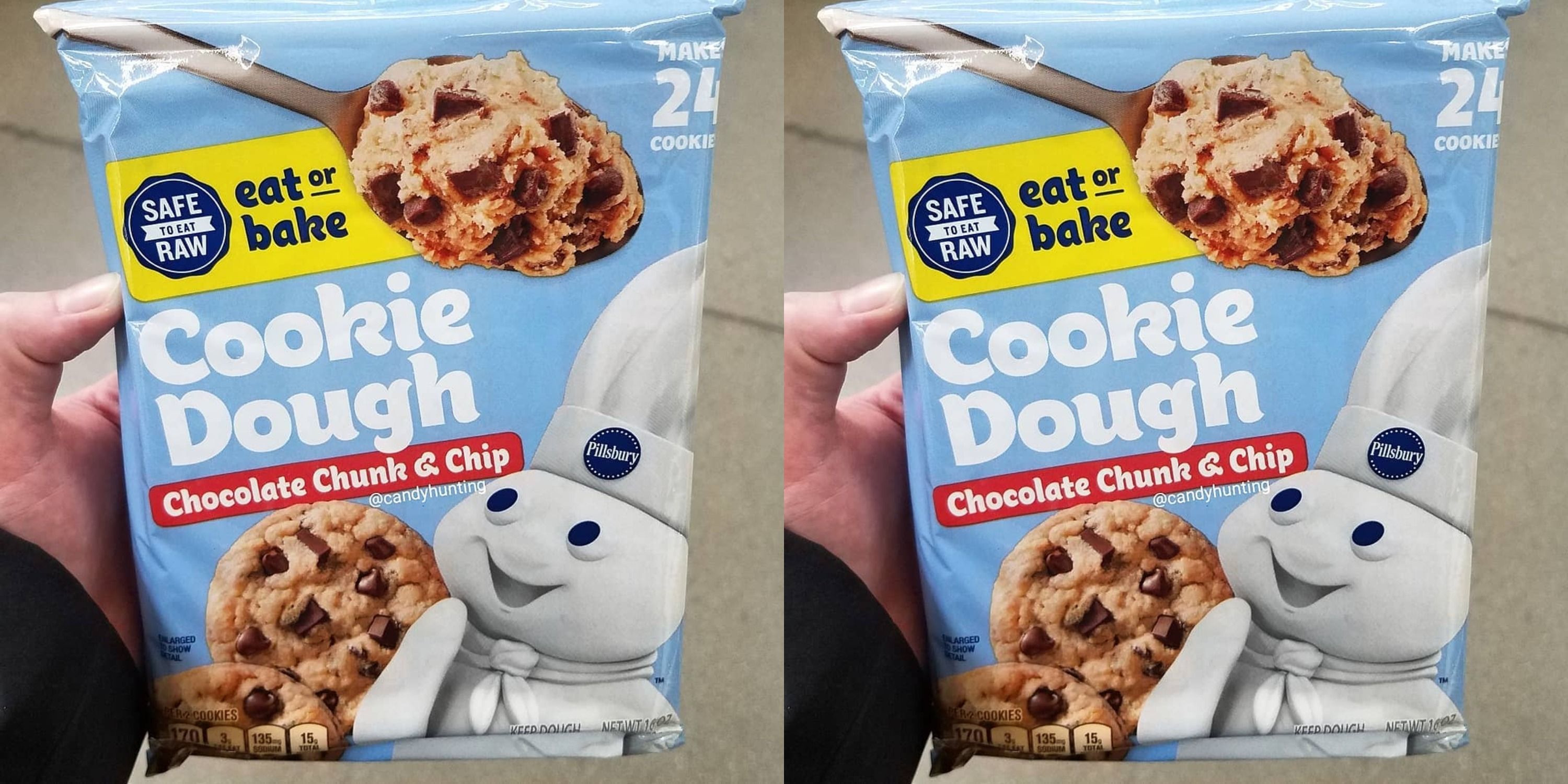
Is Cookie Dough Safe to Eat?
Cookie dough is a beloved treat enjoyed by many, but there has been ongoing debate about its safety for consumption. The primary concern regarding raw cookie dough is the presence of raw eggs and flour, which can potentially harbor harmful bacteria such as salmonella and E. coli. To better understand the safety of consuming cookie dough, it is essential to consider various factors.
The Risks of Eating Raw Cookie Dough
Raw cookie dough contains raw eggs, which can be contaminated with salmonella, a bacterium that can cause food poisoning. Additionally, raw flour may be a source of E. coli. These pathogens can lead to severe illness, especially in vulnerable populations such as young children, pregnant women, the elderly, and individuals with weakened immune systems.
Safe Alternatives
To minimize the risk of foodborne illness, several safe alternatives to traditional raw cookie dough have emerged. This includes using pasteurized eggs or egg substitutes in recipes, as well as heat-treating flour before using it in cookie dough. Alternatively, there are commercially available edible cookie dough products that are specifically designed to be consumed raw and are made without raw eggs or flour.
Enjoying Cookie Dough Safely
If you choose to consume raw cookie dough made with traditional ingredients, it is essential to take precautions to reduce the risk of foodborne illness. This includes using high-quality, fresh ingredients, refrigerating perishable items promptly, and washing hands and surfaces thoroughly when handling raw dough.
Conclusion
While raw cookie dough can pose health risks due to potential contamination, there are safe alternatives and practices that can help mitigate these concerns. By being mindful of ingredient sourcing and preparation methods, individuals can continue to enjoy cookie dough safely. To learn more about food safety and delicious treats, visit Larrea Las Vegas.











