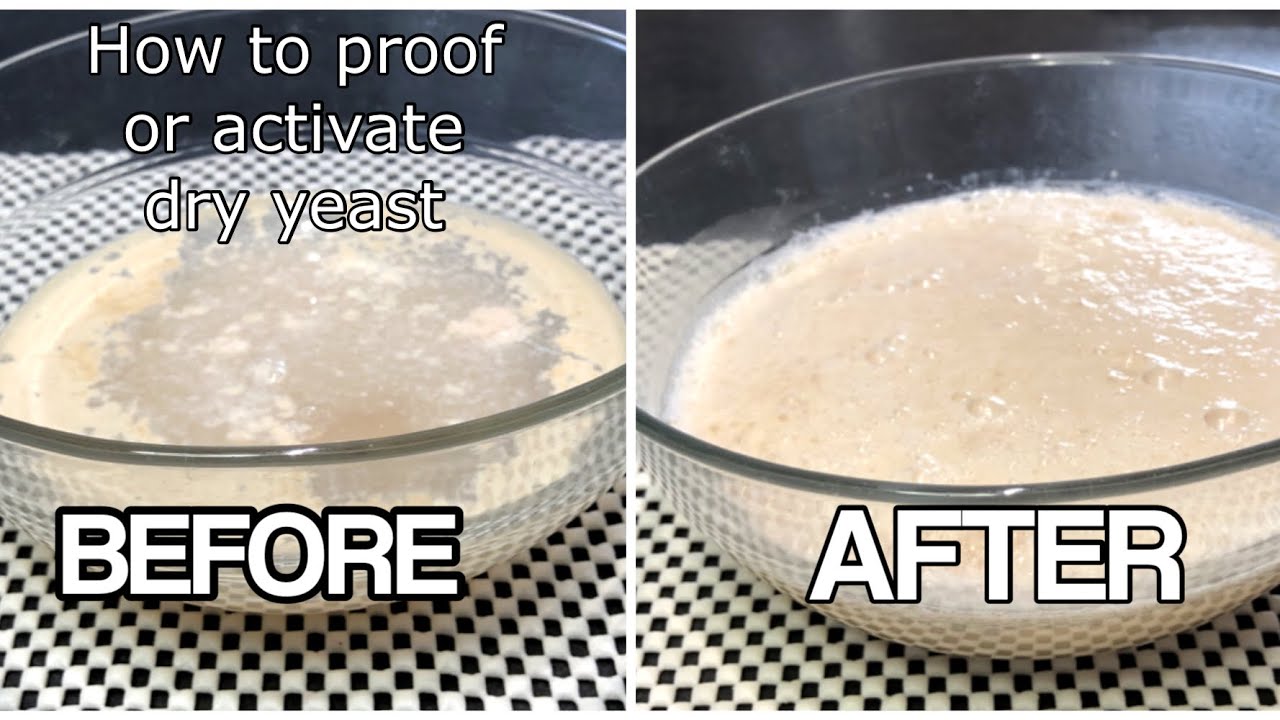
How Warm Should the Water Be to Activate Yeast
Activating yeast is a crucial step in baking, as yeast plays a key role in fermentation and leavening of the dough. The temperature of the water used to activate yeast is essential, as it can impact the yeast’s effectiveness and the final outcome of your baked goods.
The Ideal Water Temperature
The ideal water temperature to activate yeast is around 110°F to 115°F (43°C to 46°C). This temperature range provides an optimal environment for the yeast to activate and multiply efficiently. Water that is too hot can kill the yeast, while water that is too cold may not activate it properly.
Understanding Yeast Activation
Yeast is a living organism that becomes active when exposed to warm water and a food source, such as sugar. The warm water helps wake up the dormant yeast cells and allows them to begin consuming the sugars present in the dough, producing carbon dioxide gas in the process. This gas creates bubbles in the dough, causing it to rise.
Tips for Activating Yeast
- Use a thermometer to measure the water temperature accurately.
- Dissolve any sugar or honey in the warm water before adding the yeast.
- Avoid using water that is too hot, as it can kill the yeast. Likewise, cold water will not activate the yeast properly.
- If in doubt, it’s better to use slightly cooler water than too hot water.
By following these guidelines and using the correct water temperature, you can ensure that your yeast is properly activated for successful baking.
Conclusion
Getting the water temperature right when activating yeast is a critical step in the baking process. By understanding the ideal temperature range and following the tips provided, you can set your yeast up for success and achieve delicious, perfectly leavened baked goods.
For more baking tips and recipes, visit the home page of our website.











