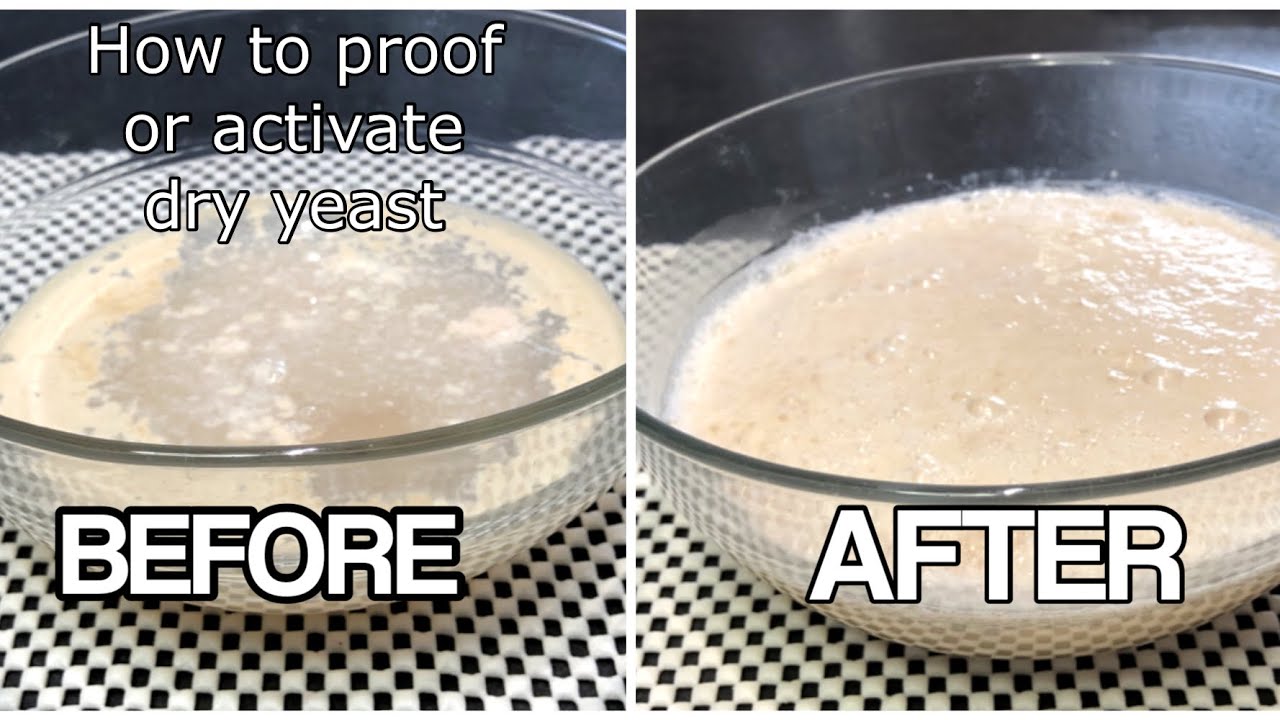
How to Warm Milk and Water for Yeast
Warming milk and water for yeast is a crucial step in many baking recipes to activate the yeast properly. The temperature of the liquid can significantly impact the fermentation process, leading to successful rise and flavor development in your baked goods. Here, we’ll explore the best practices for warming milk and water for yeast to ensure optimal results in your baking endeavors.
1. Why Warming is Important
Yeast is a living organism that needs the right environment to thrive. Warming the milk and water helps to activate the yeast by providing an ideal temperature range for fermentation. Cold liquids can slow down or inhibit yeast activity, while hot liquids can kill the yeast, so achieving the right temperature is essential.
2. Ideal Temperature Range
The optimal temperature range for warming milk and water for yeast is between 100°F to 110°F (37°C to 43°C). This temperature range is warm enough to activate the yeast without killing it. Using a thermometer can help ensure you hit the right temperature.
3. Step-by-Step Guide
- Start by measuring the milk and water needed for your recipe.
- In a small saucepan, heat the liquids over low to medium heat until they reach the desired temperature range of 100°F to 110°F (37°C to 43°C).
- Stir the liquids occasionally to distribute the heat evenly and prevent hot spots that could potentially harm the yeast.
- Once the liquids reach the appropriate temperature, remove them from the heat source immediately to prevent overheating.
4. Checking the Temperature
It’s crucial to check the temperature of the warmed milk and water before adding the yeast. Using a thermometer ensures precision and accuracy in achieving the ideal range for yeast activation.
5. Conclusion
Properly warming milk and water for yeast is a fundamental step in baking that can greatly impact the outcome of your recipes. By following the guidelines outlined above and paying attention to temperature details, you can ensure that your yeast is activated successfully, leading to delicious and perfectly risen baked goods.











