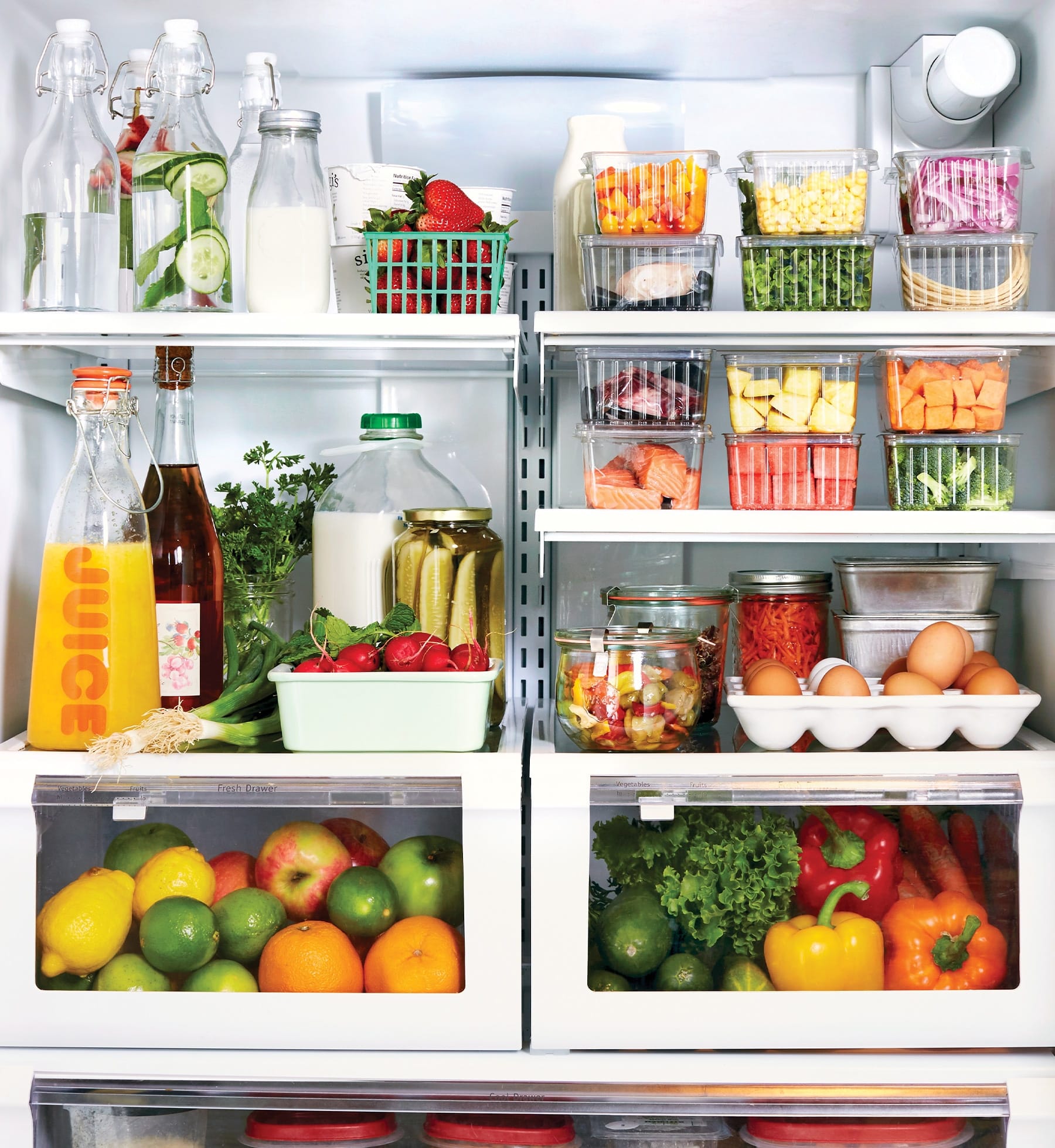
How to Store Vegetables in the Fridge
Storing vegetables properly in the fridge is essential to maintain their freshness, nutrients, and flavor for an extended period. Improper storage can lead to quicker spoilage, resulting in food waste. By following some simple guidelines, you can ensure that your vegetables stay fresh and crisp for as long as possible.
1. Clean and Dry Vegetables
Before storing vegetables in the fridge, always make sure to wash them thoroughly to remove any dirt or debris. Once washed, ensure they are completely dry as moisture can promote mold growth and decay.
2. Use Perforated Plastic Bags
For optimal storage, place vegetables in perforated plastic bags, which allow for proper air circulation. Alternatively, you can use reusable produce bags or paper towels to absorb excess moisture.
3. Store Vegetables Separately
It’s important to store vegetables separately based on their ethylene production levels. Ethylene is a natural gas that accelerates ripening. Keep ethylene-producing vegetables such as apples, bananas, and tomatoes away from other vegetables to prevent premature spoilage.
4. Adjust Humidity Levels
Some vegetables require higher humidity levels for storage. Use the vegetable crisper drawer in your fridge, which allows you to adjust humidity settings. Leafy greens and herbs prefer higher humidity levels, while root vegetables prefer lower humidity.
5. Avoid Freezing Certain Vegetables
While the refrigerator helps prolong the shelf life of most vegetables, some like tomatoes, cucumbers, and potatoes can suffer from chilling injuries in cold temperatures. Store these vegetables in a cool, dark place outside the fridge.
6. Check and Rotate Regularly
Periodically check the condition of your stored vegetables and remove any spoiled ones to prevent the spread of decay. Additionally, rotate the vegetables in your fridge to ensure even cooling and freshness.
7. Follow Storage Guidelines
It’s crucial to follow specific storage guidelines for different vegetables. For example, store carrots and beets in a tightly sealed plastic bag, while bell peppers can be stored in the crisper drawer with a slightly damp paper towel.
8. Use the Fridge Wisely
A well-organized fridge can help maintain the freshness of your vegetables. Keep the temperature of your fridge at the appropriate setting (usually around 37°F or 3°C) and avoid overcrowding to allow for proper air circulation.
Conclusion
Properly storing vegetables in the fridge is a simple yet effective way to extend their shelf life and preserve their quality. By following these expert tips, you can enjoy fresh and flavorful vegetables for longer periods. For more information on food storage and culinary tips, visit Larrea Las Vegas.











