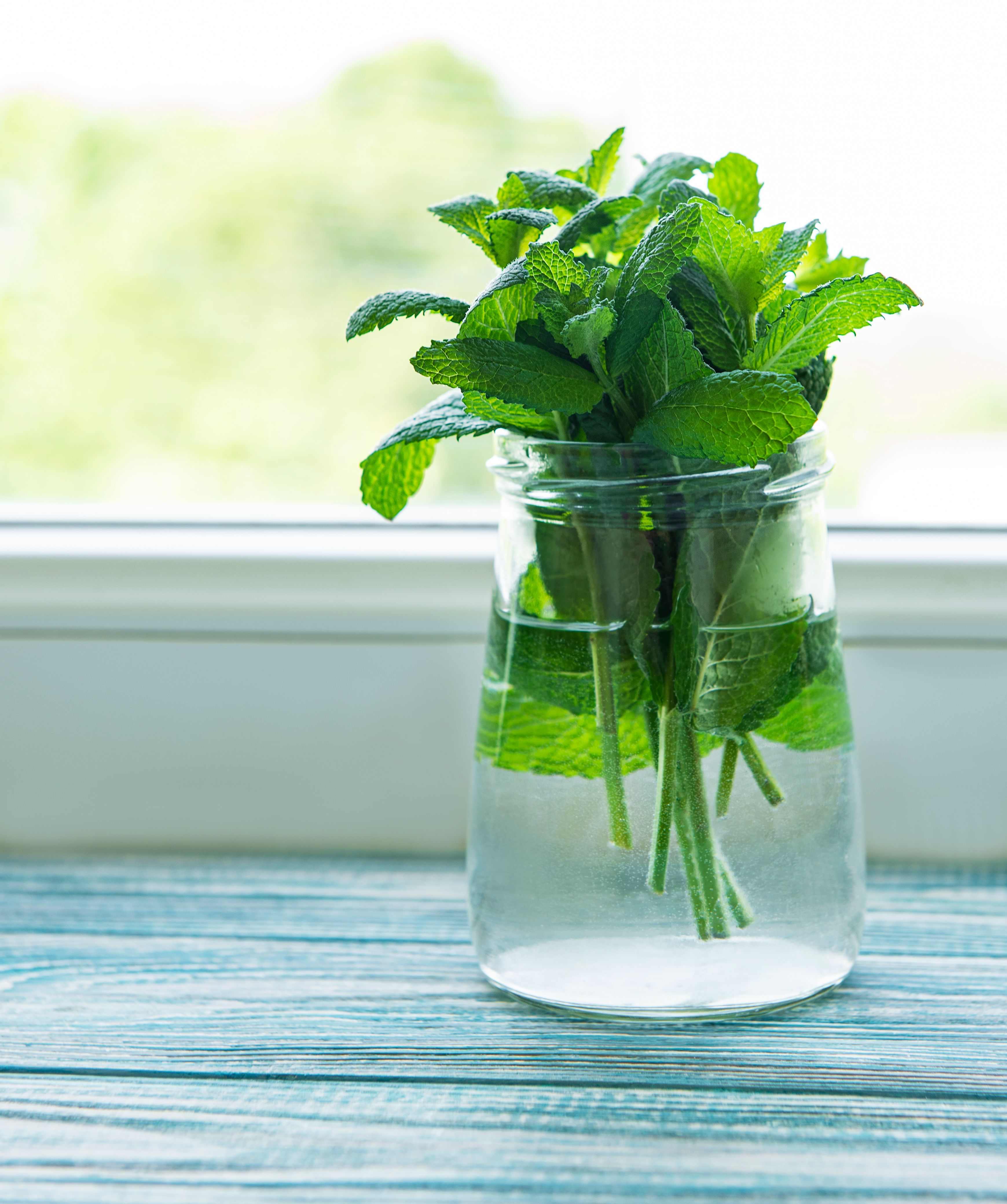
How to Store Mint: Expert Tips
Mint is a versatile herb that adds a fresh and flavorful touch to a variety of dishes, drinks, and even desserts. Whether you have a bountiful supply of mint from your garden or bought a bunch from the store, knowing how to properly store mint can help maintain its flavor and freshness for longer periods. Here are expert tips on how to store mint to make the most of this fragrant herb.
1. Choose Fresh Mint
When storing mint, it’s essential to start with fresh, vibrant leaves. Look for mint with crisp stems and bright green leaves. Avoid any wilted or discolored leaves as they indicate that the mint is past its prime.
2. Rinse and Dry
Before storing mint, rinse the leaves under cold water to remove any dirt or debris. Gently pat the leaves dry with a paper towel or use a salad spinner to remove excess moisture. Ensure the mint leaves are completely dry before proceeding.
3. Storage Options
There are various ways to store mint depending on how you plan to use it:
- Refrigerator: To store mint in the refrigerator, place the dry leaves in a paper towel-lined airtight container or a resealable plastic bag. Make sure to press out any excess air before sealing the container.
- Freezer: For longer-term storage, consider freezing mint. Chop the mint leaves and place them in an ice cube tray filled with water or olive oil. Once frozen, transfer the mint cubes to a freezer-safe bag or container.
- Drying: Another option is to dry mint leaves. Tie a bunch of mint stems together and hang them upside down in a warm, dry place with good air circulation. Once the leaves are completely dry, remove them from the stems and store in an airtight container.
4. Properly Label Mint
If you choose to freeze or dry mint, be sure to label the storage container or bag with the date. This helps you keep track of how long the mint has been stored and maintain freshness by using the oldest mint first.
5. Preventing Cross-Contamination
When storing mint alongside other herbs or aromatic ingredients, ensure that the container is well-sealed to prevent cross-contamination. Mint can easily absorb odors from other foods, affecting its flavor.
6. Check Mint Regularly
Regardless of the storage method you choose, remember to check your stored mint regularly. Discard any leaves that show signs of mold or spoilage to prevent affecting the rest of the batch.
Conclusion
By following these expert tips on how to store mint, you can prolong the freshness and flavor of this delightful herb. Whether you choose to refrigerate, freeze, or dry mint, proper storage techniques are essential in preserving its aromatic essence. For more culinary inspiration and tips, visit Larrea Las Vegas.











