How to Read Expiration Codes: A Beginner’s Guide
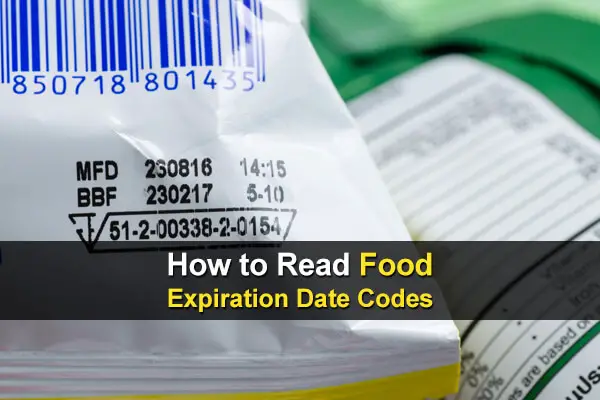
Expiration codes are printed on various food and beverage products to indicate the recommended shelf life or expiration date. Understanding how to read these codes can help consumers make informed decisions about the products they consume. In this guide, we will explore the basics of expiration codes and how to decipher them like an expert.
Types of Expiration Codes
There are different types of expiration codes used by manufacturers to indicate the freshness and shelf life of their products. The most common types include:
- Best Before Date: This date indicates the recommended period for consuming the product at its best quality. It is often found on items like packaged foods.
- Use-By Date: This date signifies the last date recommended for the use of the product for safety reasons. It is commonly seen on perishable goods like dairy products.
- Production Date Code: This code allows manufacturers to track the production batch of the product for quality control purposes.
Deciphering the Expiration Code
Each manufacturer may have a different format for their expiration codes, but there are some common elements to look out for:
- Numeric Dates: Many expiration codes use numeric digits to represent the date or year of production. For example, ‘18015’ may mean the product was manufactured on the 15th day of 2018.
- Julian Date Code: Some manufacturers use the Julian calendar to encode the production date. The Julian date consists of the day of the year (ranging from 001 to 365) followed by the year.
Tips for Reading Expiration Codes
Here are a few tips to help you read expiration codes more effectively:
- Check the Packaging: Expiration codes are often located near the top or bottom of the packaging and may be accompanied by phrases like “Best By” or “Use By.”
- Look for Patterns: Some manufacturers use consistent coding patterns across their products, making it easier to identify the expiration date.
- Consult the Manufacturer: If you are unsure about how to read a specific expiration code, don’t hesitate to contact the manufacturer for clarification.
Conclusion
By understanding how to read expiration codes, consumers can make more informed choices about the products they purchase and consume. Remember to always check the expiration date before using any product to ensure its freshness and safety.
For more information on food safety and expiration dates, visit the home page.