The thought of embracing a new dietary plan often brings with it a familiar dread: the fear of bland, repetitive meals that make healthy eating feel like a chore. Especially for those navigating digestive sensitivities or managing conditions like Irritable Bowel Syndrome (IBS), cutting out common flavor-packed ingredients can seem like a death sentence for your taste buds. But what if we told you that managing your symptoms with a low-FODMAP diet doesn’t have to mean sacrificing delicious, vibrant food? This guide is here to empower you with the strategies to make your low-FODMAP meal prep not just manageable, but genuinely enjoyable.
Understanding Low-FODMAP Basics
First, let’s demystify FODMAPs. FODMAP stands for Fermentable Oligosaccharides, Disaccharides, Monosaccharides, and Polyols. These are types of carbohydrates that can be poorly absorbed in the small intestine, leading to symptoms like bloating, gas, abdominal pain, and changes in bowel habits for sensitive individuals. Following a low-FODMAP diet typically involves three phases: elimination, reintroduction, and personalization, guided by a healthcare professional or registered dietitian. The goal isn’t to restrict indefinitely, but to identify your personal triggers and understand what your body tolerates.
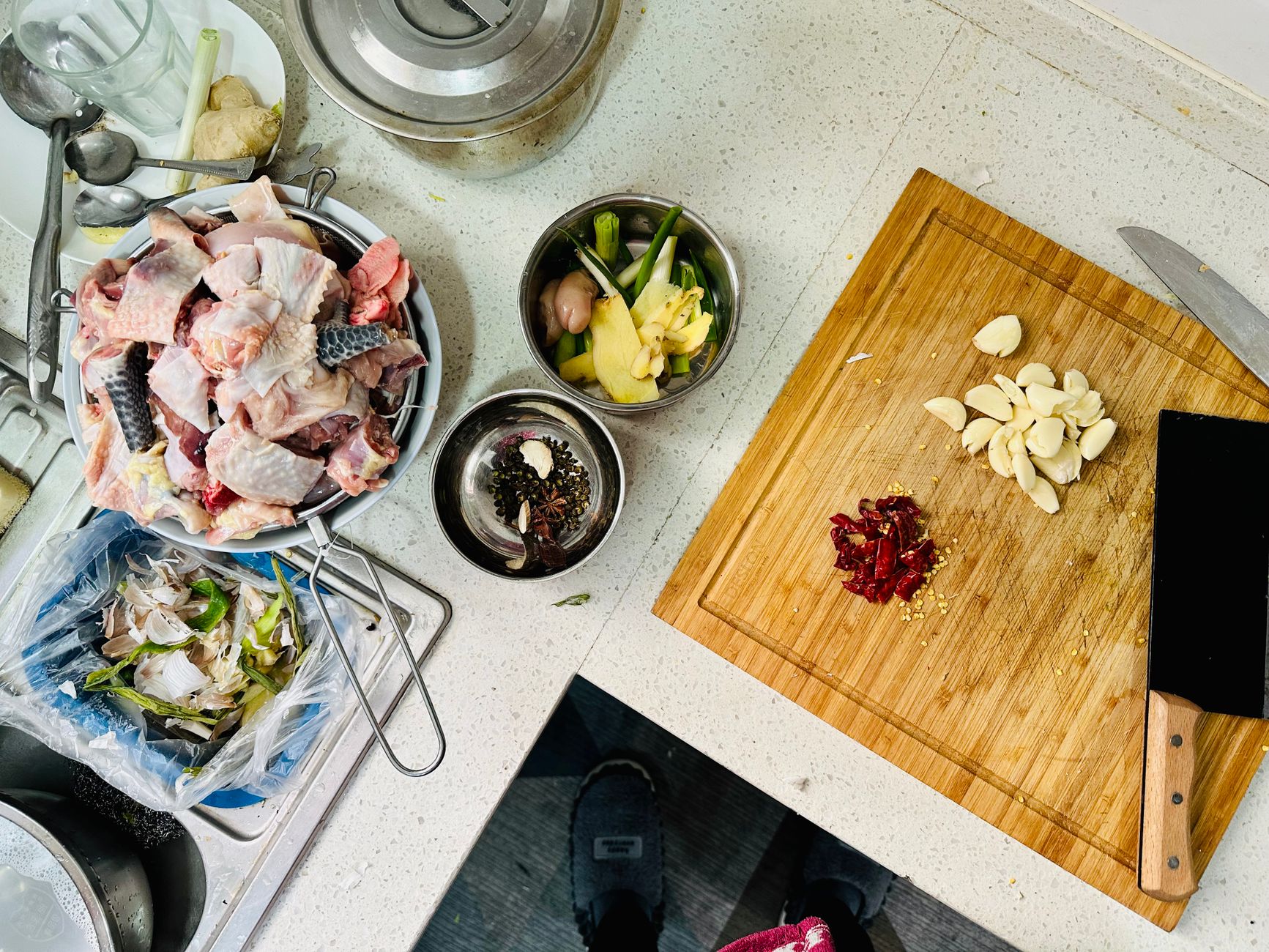
While the list of high-FODMAP foods can seem daunting at first (think garlic, onions, wheat, certain fruits, and dairy), there’s a vast world of delicious, low-FODMAP friendly ingredients available. Getting acquainted with these is the first step toward successful low-FODMAP meal prep. For a comprehensive overview, consider downloading a printable FODMAP food chart from a reliable source like Monash University, which is a leading authority on the diet.
Flavor-Building Techniques for FODMAP Cooking
The secret to exciting low-FODMAP meals lies in understanding how to build flavor without relying on high-FODMAP staples. Forget the idea that this is a bland diet alternative; it’s an opportunity for culinary creativity! Here are some techniques to elevate your cooking:
- Aromatics without the Onions & Garlic: Garlic-infused olive oil and onion-infused olive oil are your best friends! The FODMAPs in garlic and onion are water-soluble, but their flavors are oil-soluble. This means you can infuse the oils with their delicious essence and then strain out the solids, leaving you with flavorful, low-FODMAP oil. Use them for sautéing, dressings, and marinades.
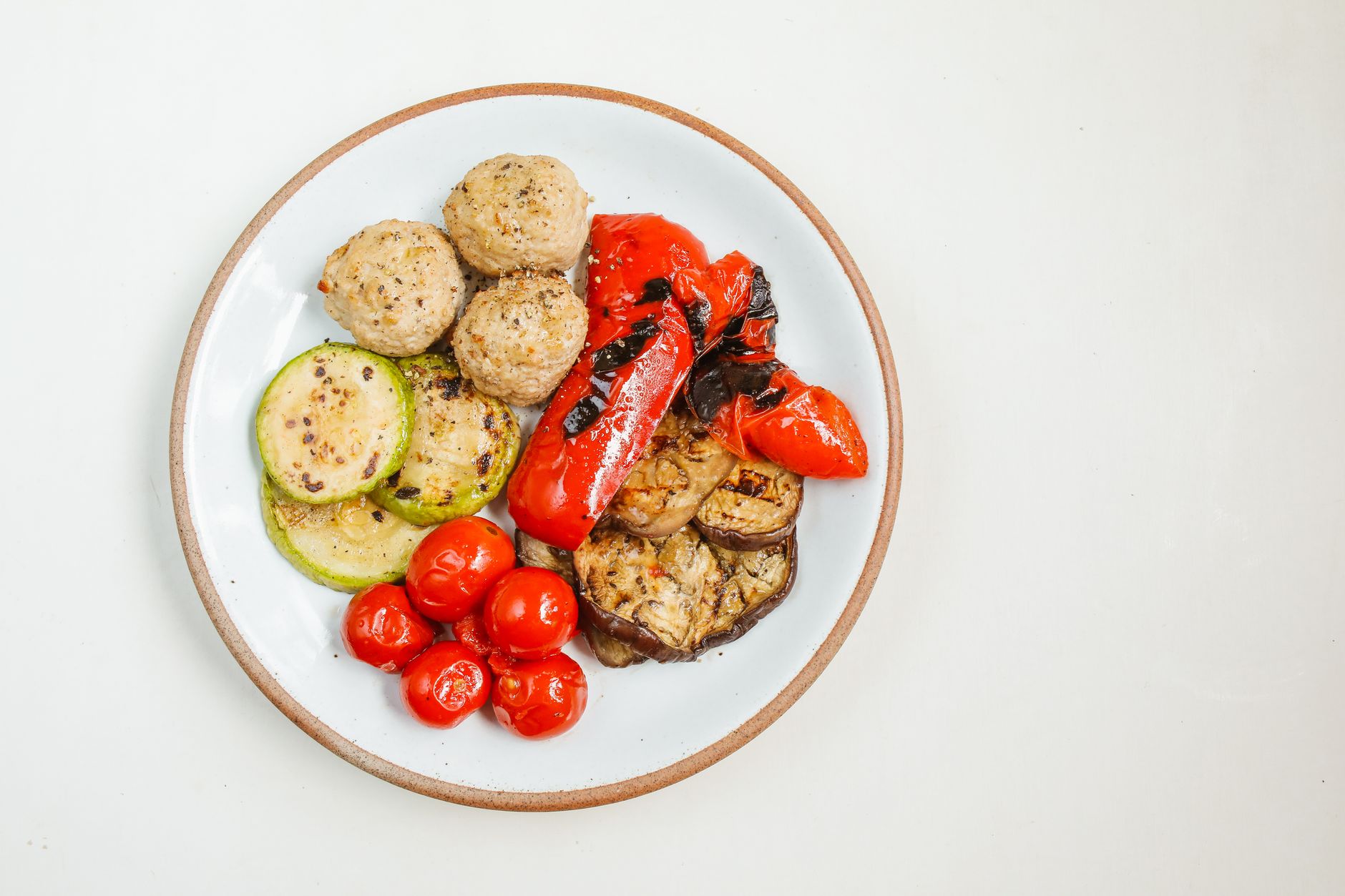
- Roasting & Searing: High-heat cooking methods like roasting vegetables (carrots, parsnips, bell peppers, zucchini, potatoes) and searing proteins (chicken, fish, beef) bring out their natural sweetness and create rich, caramelized crusts. These Maillard reactions are pure flavor enhancers.
- Acids for Brightness: Lemon juice, lime juice, and apple cider vinegar add a crucial bright, zesty counterpoint to dishes. A squeeze of citrus can wake up any meal, especially after reheating.
- Umami Boosters: A small amount of tomato paste (ensure no high-FODMAP additives), nutritional yeast, or specific low-FODMAP soy sauce alternatives can provide a deep, savory umami flavor.
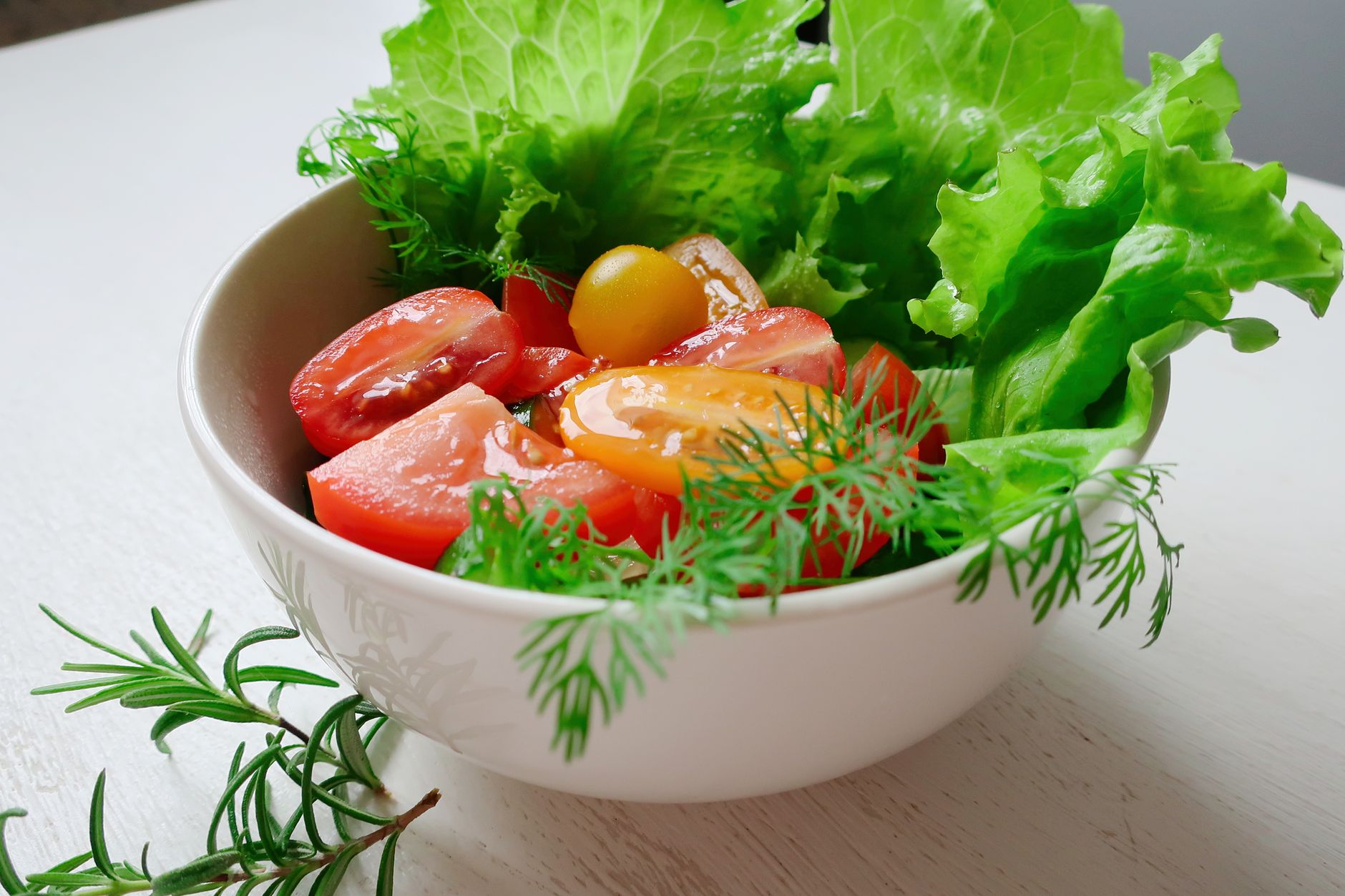
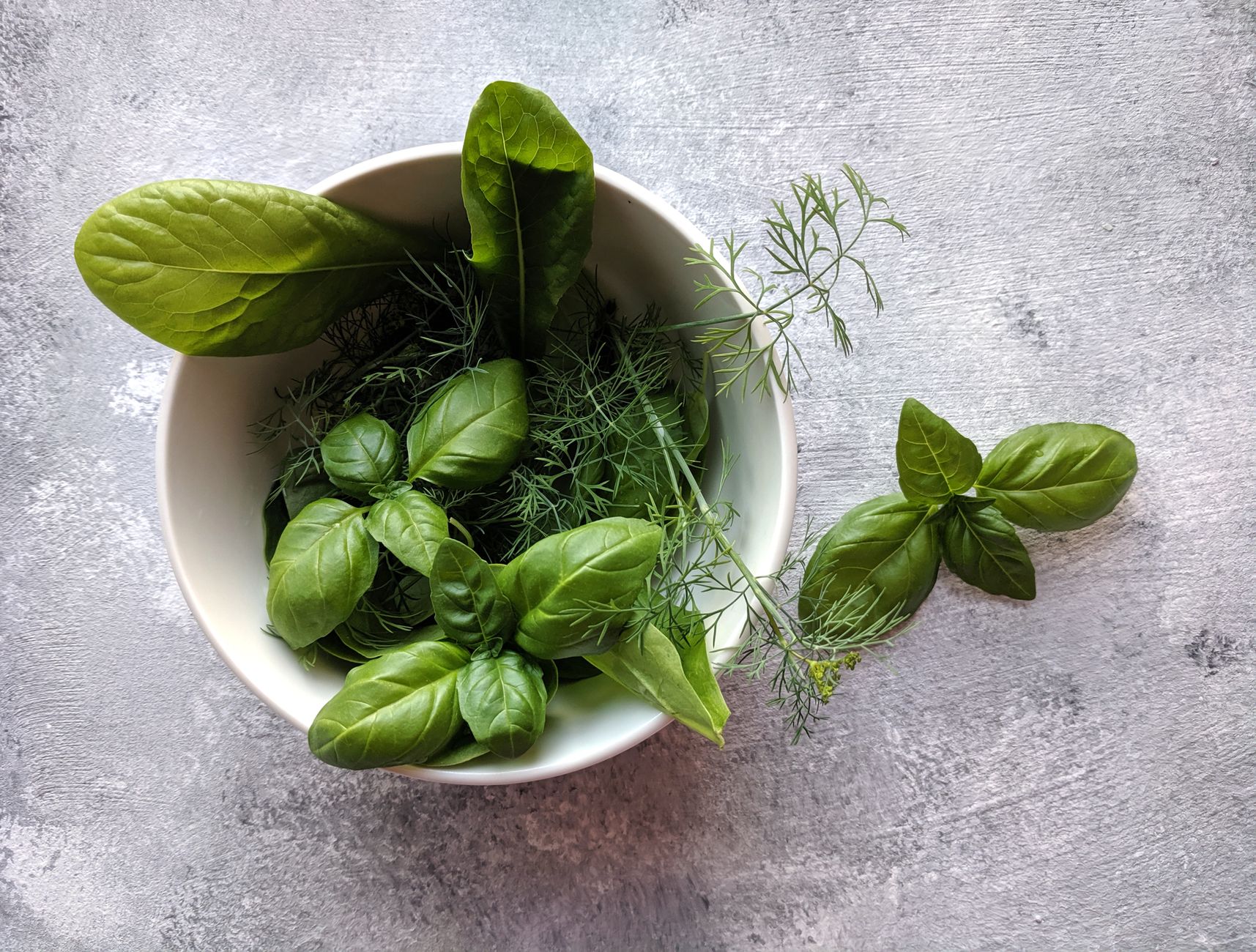
- Herbs, Fresh & Dried: Don’t underestimate the power of herbs! Fresh basil, cilantro, parsley, chives, mint, and dill are all low-FODMAP. Dried herbs like oregano, thyme, rosemary, and sage also pack a punch.
- Pro Tip: Always taste and adjust seasonings as you cook. A little extra salt, a dash of pepper, or a squeeze of lemon at the end can transform a dish.
- Pro Tip: Experiment with different cooking fats beyond olive oil. Avocado oil, coconut oil, and ghee can offer unique flavor profiles and are low-FODMAP.
5-Day Low-FODMAP Meal Prep Plan
Here’s a template to inspire your weekly low-FODMAP meal prep, focusing on simple, delicious, and repeatable options:
-
Day 1:
- Breakfast: Oatmeal with lactose-free milk, a handful of strawberries, and a drizzle of maple syrup.
- Lunch: Salad with grilled chicken breast, mixed greens, cucumber, bell peppers, and a lemon-herb vinaigrette (made with infused oil).
- Dinner: Baked salmon with roasted carrots and parsnips, seasoned with dill and lemon.
-
Day 2:
- Breakfast: Scrambled eggs with sautéed spinach and a side of gluten-free toast.
- Lunch: Leftover baked salmon with roasted vegetables.
- Dinner: Beef and potato stew made with low-FODMAP broth, carrots, celery (small amount), and rosemary.
-
Day 3:
- Breakfast: Lactose-free yogurt with a sprinkle of pumpkin seeds and blueberries.
- Lunch: Quinoa bowl with roasted zucchini, bell peppers, and chicken, drizzled with chive-infused oil.
- Dinner: Chicken stir-fry using low-FODMAP soy sauce, rice noodles, bok choy, and shredded carrots.
-
Day 4:
- Breakfast: Oatmeal with lactose-free milk, a handful of raspberries, and a sprinkle of cinnamon.
- Lunch: Leftover beef and potato stew.
- Dinner: Turkey meatballs (made with gluten-free breadcrumbs and fresh herbs) with gluten-free pasta and a simple low-FODMAP marinara sauce (canned crushed tomatoes, olive oil, basil).
-
Day 5:
- Breakfast: Scrambled eggs with a small side of sliced cantaloupe.
- Lunch: Leftover turkey meatballs and pasta.
- Dinner: "Build Your Own" Rice bowl: cooked rice with ground turkey seasoned with a low-FODMAP taco blend, topped with shredded lettuce and a squeeze of lime.
Essential Seasonings and Spice Blends
Individual low-FODMAP spices include salt, black pepper, white pepper, paprika, smoked paprika, chili powder (check ingredients for onion/garlic), cumin, coriander, turmeric, ginger, mustard powder, fenugreek, and saffron. Most dried and fresh herbs are also safe. Here are some essential low-FODMAP seasoning blends to keep your bland diet alternatives flavorful:
- Low-FODMAP Italian Herb Blend: Combine 2 tablespoons dried oregano, 2 tablespoons dried basil, 1 tablespoon dried thyme, 1 tablespoon dried rosemary (crushed), 1 teaspoon dried marjoram, and ½ teaspoon red pepper flakes (optional, for a kick). Use for pasta sauces, roasted vegetables, or chicken.
- Savory All-Purpose Seasoning: Mix 3 tablespoons fine sea salt, 2 tablespoons black pepper, 1 tablespoon paprika, 1 tablespoon dried chives, 1 tablespoon dried parsley, and ½ tablespoon dried dill. This blend is fantastic for seasoning meats, fish, or potatoes before roasting.
- FODMAP-Friendly Taco Seasoning: Whisk together 2 tablespoons chili powder (ensure no high-FODMAP additives), 1 tablespoon ground cumin, 1 tablespoon smoked paprika, 1 teaspoon dried oregano, ½ teaspoon salt, and ¼ teaspoon black pepper. Use this for chicken, beef, or turkey tacos and fajitas.
Storage, Reheating & Make-Ahead Tips
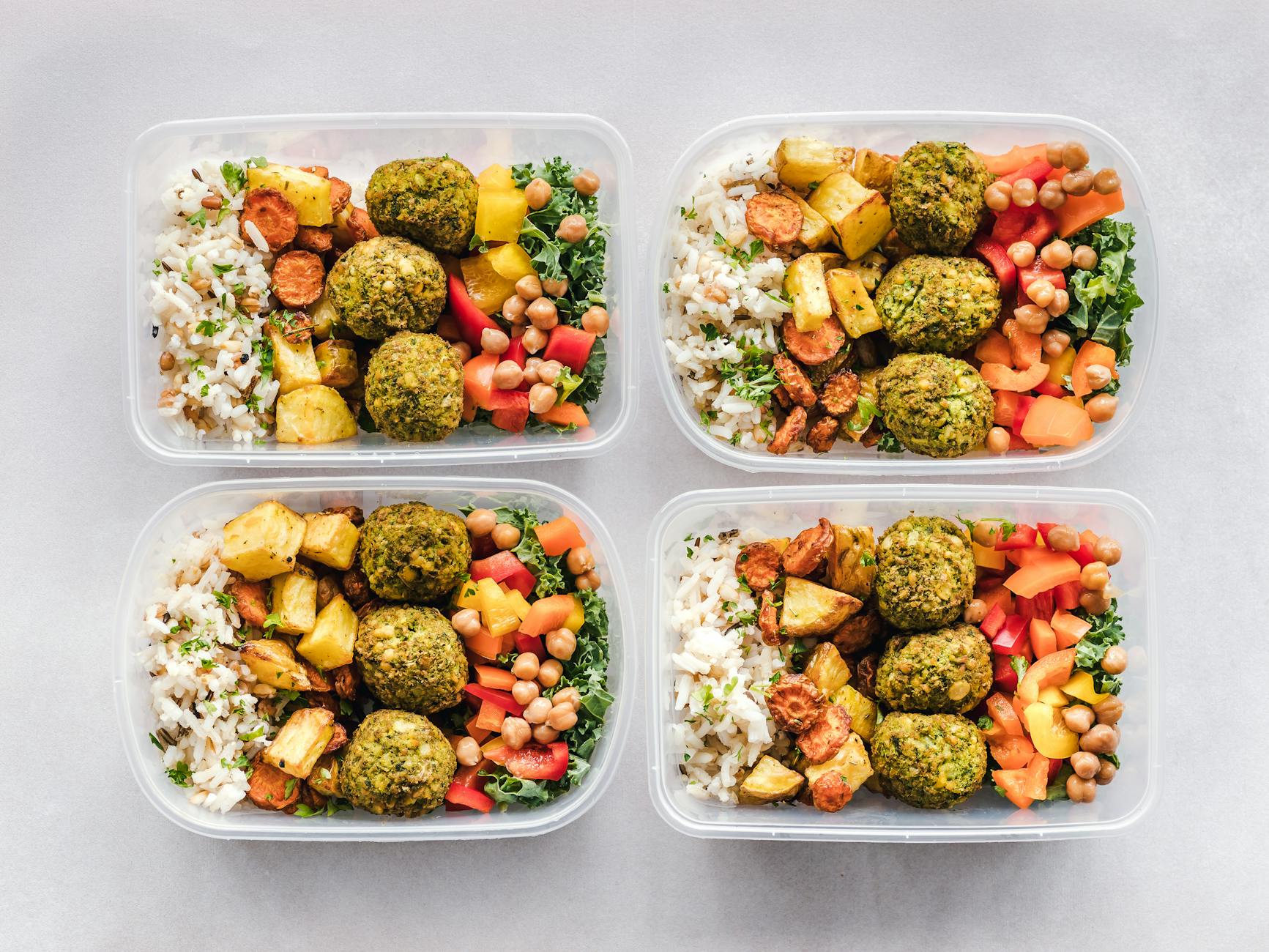
Successful low-FODMAP meal prep is all about strategy, especially when it comes to keeping food fresh and tasty. Here are some indispensable tips:
- Airtight Containers are Key: Invest in high-quality glass or BPA-free plastic containers with tight-fitting lids. This helps maintain freshness and prevents odors from mixing.
- Separate Components: Whenever possible, store dressings, sauces, and ingredients that might get soggy (like crunchy toppings) separately. Add them right before serving for the best texture and flavor.
- Cool Before Sealing: Always allow your cooked food to cool completely before transferring it to storage containers and refrigerating. This prevents condensation and helps maintain food safety.
- Refrigeration Lifespan: Most cooked low-FODMAP meals can be safely stored in the refrigerator for 3-4 days. Plan your meal prep days accordingly.
- Freezing for Longer: Many low-FODMAP foods freeze well! Soups, stews, cooked grains like quinoa, and certain proteins (chicken, beef) can be frozen for up to 2-3 months. Portion them out before freezing for easy grab-and-go meals.
- Reheating Methods:
- Microwave: Best for most individual portions. Heat on medium power, stirring occasionally, until hot.
- Oven/Toaster Oven: Great for crisping up roasted vegetables or reheating dishes that might get soggy in the microwave. Preheat to 300-350°F and heat until warmed through.
- Stovetop: Ideal for sauces, soups, and stir-fries. Use low to medium heat, stirring frequently, and add a splash of low-FODMAP broth or water if needed to prevent drying out.
- Pro Tip: Reinvigorate reheated meals with fresh herbs or a squeeze of lemon or lime juice just before eating. This adds brightness and makes them taste freshly prepared.
Frequently Asked Questions
What are FODMAP foods to avoid?
High-FODMAP foods fall into several categories. Oligosaccharides include wheat, rye, barley, onions, garlic, legumes (beans, lentils). Disaccharides primarily refer to lactose, found in dairy products like milk, yogurt, and soft cheeses. Monosaccharides include fructose, which is high in foods like apples, pears, mangoes, honey, and high-fructose corn syrup. Polyols are sugar alcohols found in some fruits (avocado, blackberries, cherries), vegetables (cauliflower, mushrooms), and artificial sweeteners like sorbitol and mannitol. It’s important to remember that portion sizes matter, and many foods are only high-FODMAP in larger quantities.
How do you add flavor to low-FODMAP meals?
Adding flavor to low-FODMAP meals is all about creative substitutions and smart cooking techniques. Utilize garlic-infused and onion-infused oils for their classic flavors without the FODMAPs. Employ plenty of fresh and dried low-FODMAP herbs like basil, oregano, thyme, rosemary, parsley, and chives. Citrus juices (lemon, lime) add brightness, while vinegars provide tang. Roasting and searing vegetables and proteins caramelize their natural sugars, enhancing their taste. Don’t forget the power of salt, pepper, and low-FODMAP spices like paprika, cumin, turmeric, and ginger to create depth and warmth.
Can you meal prep low-FODMAP foods for a week?
Absolutely! Meal prepping low-FODMAP foods for a week is not only possible but highly recommended for managing symptoms and sticking to the diet consistently. By planning your meals, cooking in batches, and storing food properly, you can ensure you always have safe, delicious options on hand. Focus on versatile ingredients like rice, quinoa, lean proteins, and a variety of low-FODMAP vegetables that can be mixed and matched. Proper storage in airtight containers and understanding refrigeration/freezing guidelines are key to successful weekly meal prep.
What seasonings are low-FODMAP?
Many common seasonings are naturally low-FODMAP and can be used freely to enhance your meals. These include salt, black pepper, white pepper, paprika (sweet, hot, smoked), chili powder (ensure no onion/garlic added), cumin, coriander, turmeric, ginger, mustard powder, and saffron. Most fresh and dried herbs are also safe, such as basil, oregano, thyme, rosemary, sage, parsley, chives, cilantro, dill, and mint. Garlic-infused olive oil and onion-infused olive oil are excellent ways to get the flavors of garlic and onion without the high-FODMAP content. Always check ingredient labels on pre-made spice blends to avoid hidden high-FODMAP ingredients.
Embracing a low-FODMAP diet doesn’t mean giving up on delicious food; with thoughtful planning and creative seasoning, you can enjoy flavorful, gut-friendly meals all week long. Happy prepping!