You’ve dedicated time to selecting a prime cut of steak, mastered the reverse sear, and allowed it to rest to juicy perfection. But as it sits on the cutting board, awaiting its grand reveal, do you ever feel that something is missing? The difference between a home-cooked meal and a truly memorable dining experience often lies in the presentation. Elevate your culinary creations from delicious to dazzling by mastering the art of plating.
Transforming your dining table into a gourmet restaurant experience is more accessible than you might think. With a few professional plating techniques, you can learn how to plate steak beautifully, turning every meal into a visual feast. Let’s delve into the secrets of creating stunning restaurant-style steak presentation right in your own kitchen.
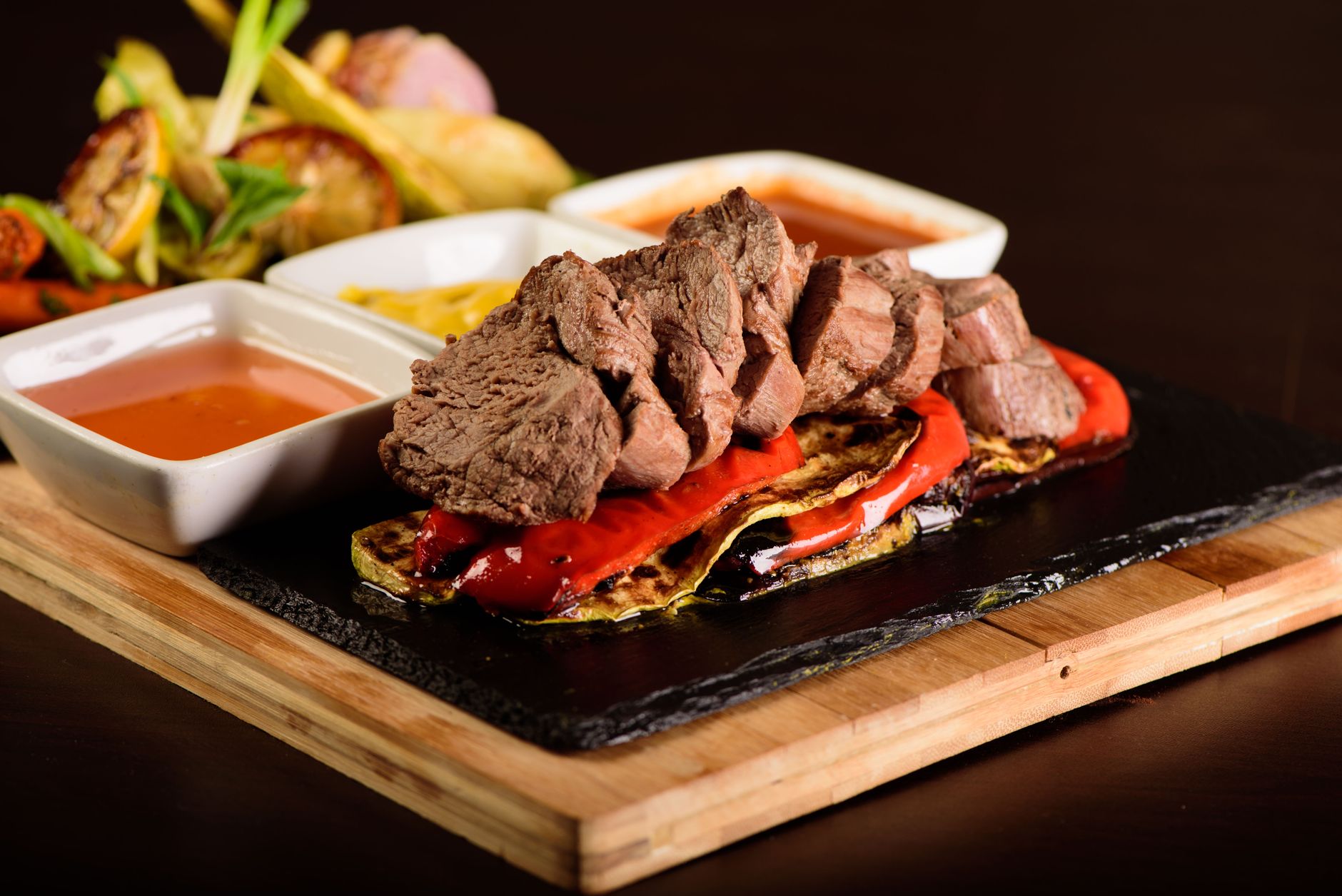
Essential Plating Tools and Equipment
Before you even consider placing a single ingredient, ensure you have the right tools at hand. Just as a painter needs their brushes, a chef requires specific implements to execute precise and artistic plating. These tools are designed to give you control and finesse, making the process of creating beautiful food plating sauces and perfectly arranged accompaniments much easier.

- Squeeze Bottles: Indispensable for applying sauces with precision, creating dots, lines, or delicate drizzles. A 6-ounce or 8-ounce bottle with a fine tip is ideal.
- Plating Spoons: A set of plating spoons (one with a shallow bowl, another with a deeper well, and a slitted spoon) offers versatility for swiping sauces, drizzling, or carefully placing small garnishes.
- Offset Spatula: Useful for lifting delicate items, smoothing surfaces, or creating intentional smears of purées or sauces.
- Tweezers or Tongs: Precision tweezers (long, culinary-grade) are excellent for arranging microgreens, herbs, or small vegetable pieces with accuracy. Smaller tongs work well for handling larger steak slices or roasted vegetables without marring them.
- Clean Towels: Keep several clean, damp towels nearby to wipe plate edges, correct smudges, and ensure a pristine final presentation.
- White Plates: While not a tool, a simple white or neutral-colored plate acts as a blank canvas, allowing the colors and textures of your food to truly stand out. Opt for plates with a slightly raised rim to contain sauces.
Steak Placement and Positioning Techniques
The steak is undeniably the star of your dish, and its placement dictates the entire composition. Effective steak plating techniques focus on creating a visual anchor while maintaining balance and visual flow. Avoid placing the steak dead center; a slight offset creates more dynamic interest.
- The Golden Ratio (Rule of Thirds): Mentally divide your plate into thirds horizontally and vertically. Aim to place your steak, or the primary focal point, at one of the intersections. This creates a visually pleasing, off-center arrangement. For example, position the steak roughly 1 to 2 inches from the edge of the plate, slightly to the left or right of the center.
- Single vs. Sliced:
- Whole Steak: If presenting a whole steak, angle it slightly (e.g., 10 o’clock to 4 o’clock) rather than straight across. This adds movement and elegance.
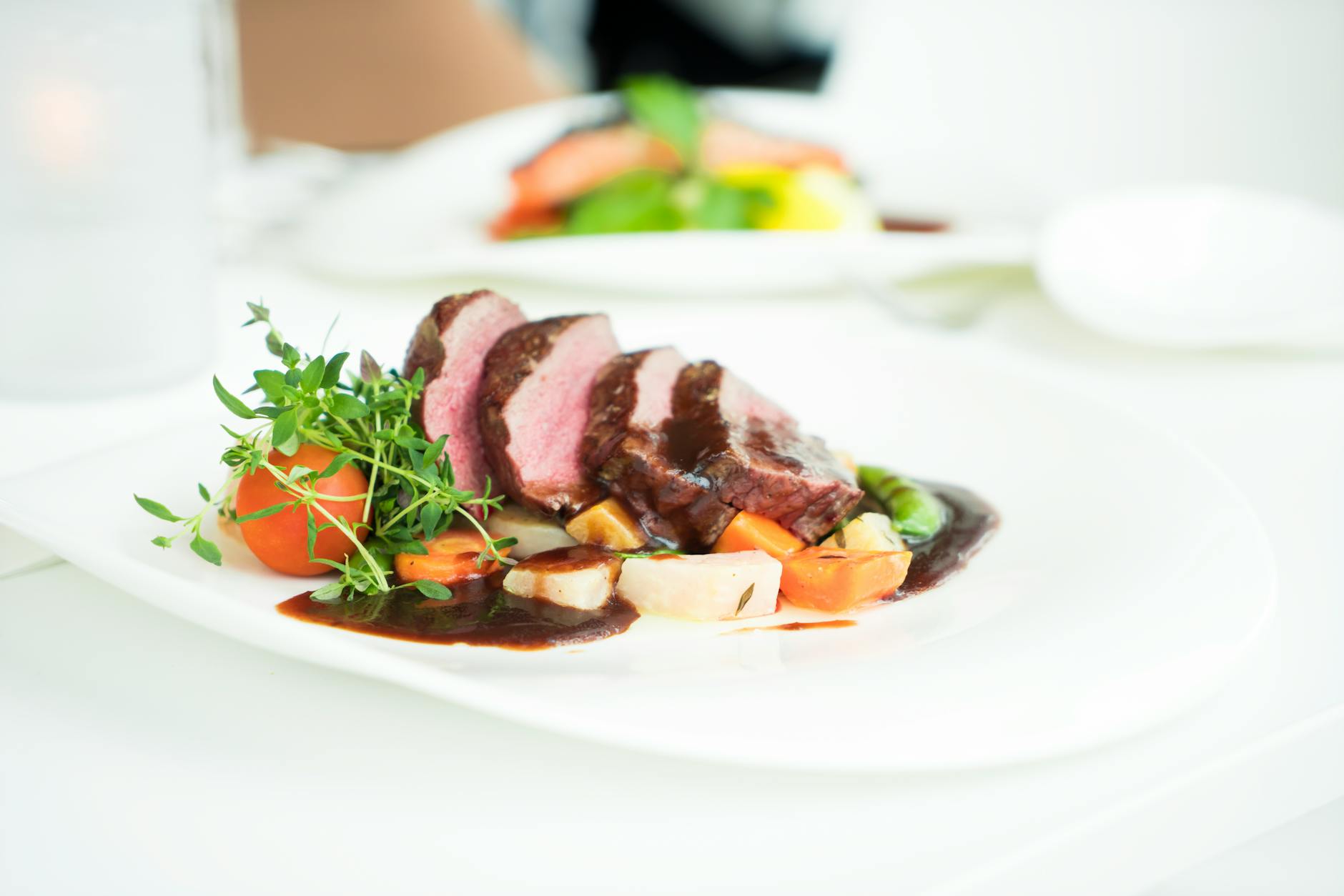
- Sliced Steak: For sliced steak, arrange the slices fanned out or shingled, leaning slightly against each other. Ensure the cut side is facing up to show off its perfectly cooked interior. For instance, arrange 3-5 slices in a gentle arc, overlapping by about 1/2 inch each, starting about 1.5 inches from the plate edge. This is a crucial step in learning how to plate steak beautifully.
- Creating Height: Stack a few slices of steak carefully, or lean a whole steak against a mound of vegetables. This adds a crucial third dimension to your plate, preventing it from looking flat. For a sliced steak, leaning the last slice against the others can add a subtle lift.
Vegetable Arrangement and Balance
Roasted vegetables are not just an accompaniment; they are an integral part of your dish’s visual appeal. Their color, texture, and form contribute significantly to the overall aesthetic. The goal is to create balance and visual harmony without overwhelming the steak.
- Grouping and Nesting: Instead of scattering vegetables randomly, group them intentionally. Create a “nest” or “bed” for your steak with heartier vegetables like mashed potatoes or polenta, then arrange other vegetables around or on top. For instance, place a 1/4 cup scoop of mashed potatoes as a base, then lean 3-4 asparagus spears against the steak.
- Varying Textures and Colors: Combine different shapes, colors, and textures. Bright green broccolini against a vibrant orange carrot purée, or crisp roasted potatoes beside tender mushrooms, creates visual interest. Aim for at least two different colors and two different textures among your vegetables.
- Strategic Placement for Height: Use taller vegetables like asparagus or long stem broccolini to add verticality. Stand them upright or lean them against the steak or a base. Root vegetables cut into various shapes (batons, discs, wedges) can also be stacked or layered. For example, stack two pieces of roasted potato, each about 1 inch thick, near the base of the steak to create a small elevation point.
- Negative Space: Remember that empty space on the plate is just as important as the food. Don’t overcrowd. Allow some parts of the plate to remain bare; this draws attention to your beautifully plated elements and prevents the dish from looking cluttered.
Sauce Application Methods for Visual Impact
Sauces are not merely flavor enhancers; they are powerful tools for artistic expression on the plate. Proper sauce application can define the borders of your dish, add vibrant color, and guide the diner’s eye. Mastering food plating sauces is essential for a restaurant-quality finish.
- The Swipe: Using a plating spoon or an offset spatula, place a small dollop (about 1 tablespoon) of sauce near the edge of the plate. With a single, confident motion, drag the spoon or spatula across the plate, creating an elegant arc or a bold stripe. Ensure the swipe is clean and even. This technique works best with thicker sauces or purées.
- The Drizzle or Dot: For thinner sauces or reductions, a squeeze bottle is your best friend. Create a delicate drizzle over the steak or vegetables, or strategically place small, even dots around the plate. A zigzag pattern across a sliced steak can add dynamic flair. Aim for 3-5 dots or a single controlled drizzle, using about 1/2 to 1 tablespoon of sauce in total.
- The Pool: Sometimes, a simple, elegant pool of sauce directly beneath or beside the main component is all that’s needed. Ensure the pool is well-contained and doesn’t spread excessively. This works well for rich, glossy sauces like a red wine reduction. Pour approximately 2 tablespoons of sauce into a defined area, ensuring it doesn’t touch the very edge of the plate.
- Layering: For a more complex visual, you can layer different sauces. For example, a swipe of a lighter purée might be topped with a few dots of a darker, richer sauce.
Pro Tip: Always wipe the rim of the plate clean after applying sauce. A pristine edge signals professionalism and attention to detail.
Color and Height Composition Guidelines
The visual harmony of your dish hinges on a thoughtful consideration of color and height. These elements contribute to the perception of elegance and deliciousness, making your efforts in how to plate steak beautifully truly shine.
- Color Contrast and Harmony:
- Contrast: Pair contrasting colors to make elements pop. A rich, dark steak against a vibrant green purée or bright red cherry tomatoes is visually striking.
- Harmony: Use complementary colors to create a cohesive and soothing presentation. Think of shades of green from various herbs and vegetables, or different tones of brown from roasted ingredients.
- Odd Numbers: When using smaller elements (like cherry tomatoes or sprigs of herbs), arrange them in odd numbers (3, 5, 7). This creates a more natural and visually dynamic look than even groupings.
- Building Height and Dimension:
- Foundation: Start with a stable base, often a starch or a mound of puréed vegetables. This provides an anchor for other components.
- Layering: Build up from the base, overlapping ingredients slightly to create depth. For example, lean steak slices against a small mound of roasted potatoes.
- Vertical Elements: Incorporate vertical elements such as standing asparagus spears, grilled scallions, or artfully placed herb sprigs. Aim for elements that rise at least 1-2 inches above the main protein.
- Garnish as the Crown: A delicate garnish placed strategically on top can be the finishing touch, adding the final bit of height and visual interest. Consider microgreens, a fresh herb sprig, or a sprinkle of flaky sea salt.
Pro Tip: Use garnishes not just for color, but also for texture. A sprinkle of toasted nuts or crispy fried shallots can add an inviting crunch.
Frequently Asked Questions
What is the best plating temperature for steak?
The best plating temperature for steak is warm, but not piping hot. After cooking, allow your steak to rest for 5-10 minutes (depending on thickness) to redistribute juices. While it rests, prepare your other components. Plate the steak and accompaniments immediately after the resting period. The steak will still be warm enough to be enjoyable, and the resting process ensures it will be juicy when cut, enhancing the overall restaurant style steak presentation.
How do you arrange roasted vegetables on a plate aesthetically?
To arrange roasted vegetables aesthetically, focus on creating groupings, varying heights, and using contrasting colors and textures. Instead of spreading them out, cluster 3-5 pieces of similar vegetables together. Use taller items like asparagus or carrots cut into long batons to create vertical lines, perhaps leaning them against the steak or a starch base. Alternate colors, such as bright green broccolini next to deep red bell peppers, to make the plate pop. Ensure there’s some negative space on the plate to avoid a cluttered look, allowing each component to breathe and be appreciated.
What sauces pair best with steak for plating?
For elegant steak plating techniques, several sauces work wonderfully due to their flavor profile and visual appeal. Classic choices include a rich Red Wine Reduction (glossy, dark, excellent for swiping or pooling), a vibrant Chimichurri (bright green, herbaceous, great for drizzling over or beside), or a creamy Béarnaise or peppercorn sauce (adds a luxurious touch, good for a small pool or strategic dots). Pan sauces made directly from the steak’s fond also offer a natural pairing and a beautiful sheen. Choose a sauce that complements your steak and roasted vegetables in both taste and color.
Pro Tip: For a final flourish, a light sprinkle of flaky sea salt (like Maldon) over the steak and a few cracks of fresh black pepper can add visual texture and enhance flavor.
Mastering how to plate steak beautifully is an investment in the entire dining experience. By paying attention to tools, placement, and the artful application of sauces and accompaniments, you can transform a delicious meal into an unforgettable culinary presentation, truly bringing restaurant-quality dining into your home.











