
How to make the authentic Naruto Ichiraku ramen broth from scratch?
There’s a special kind of magic in seeing a beloved fictional food come to life in your own kitchen. For fans of Naruto, that magic often revolves around the steaming bowls of ramen served at Ichiraku Ramen. If you’ve ever found yourself longing for that comforting taste, imagining slurping noodles alongside Naruto himself, you’re in the right place.
Understanding Authentic Ramen Broth
At the heart of any truly great bowl of ramen, including the legendary Ichiraku variety, lies the broth. It’s not just a liquid; it’s the soul of the dish, a complex symphony of flavors built through hours of careful simmering. While Naruto’s favorite ramen might seem simple, the depth of its broth is what makes it so incredibly satisfying. We’re talking about a rich, milky, and intensely savory base, reminiscent of a classic Tonkotsu (pork bone) broth, which is widely considered the foundation of an authentic Naruto Ichiraku ramen broth recipe.
Making homemade ramen broth from scratch might sound daunting, but it’s a deeply rewarding culinary journey. The process involves extracting gelatin and flavor from bones and aromatics, transforming simple ingredients into a luxurious, opaque liquid. This deep dive into an anime ramen recipe will demystify the process and equip you with the knowledge to craft a broth that would make Teuchi, Ichiraku’s owner, proud.

Ingredient Selection and Sourcing
The secret to a magnificent broth begins with high-quality ingredients. For a Tonkotsu broth, this means selecting the right pork bones. For a Shoyu variation, chicken bones and aromatic vegetables are key. Don’t skimp here; the quality of your ingredients directly impacts the final flavor of your homemade ramen broth.
For Traditional Tonkotsu Broth:
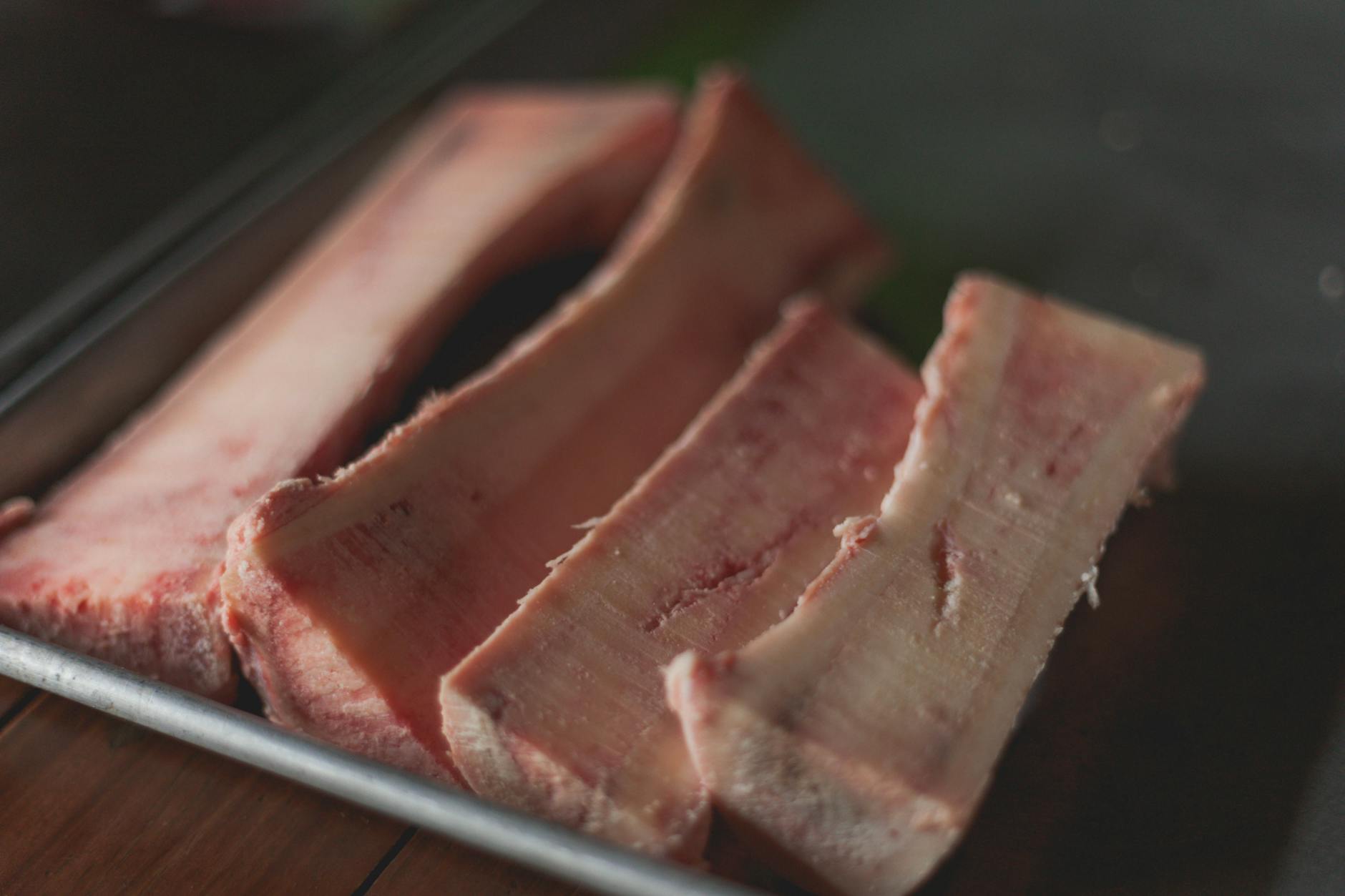
- Pork Bones: A mix of pork trotters (feet), neck bones, hocks, and femur bones. Trotters and hocks provide gelatin for that creamy texture, while neck and femur bones offer marrow and deeper flavor. Aim for 5-6 pounds total.
- Aromatics: 2 large yellow onions (quartered), 1 whole head of garlic (halved horizontally), a 4-inch piece of ginger (sliced).
- Water: Enough to cover the bones (approx. 12-16 cups).
For Shoyu Broth (Chicken/Dashi Base):
- Chicken Carcasses/Bones: 2-3 pounds of roasted chicken bones (leftover rotisserie chicken bones work great, or raw chicken backs/wings).
- Dashi Components: 4×4-inch piece of kombu (dried kelp), 1/2 cup katsuobushi (bonito flakes).
- Vegetables: 1 yellow onion (quartered), 3-4 scallions (white parts only), 2-3 cloves garlic (smashed), 1-inch piece of ginger (sliced).
- Water: Approx. 8-10 cups.
Traditional Tonkotsu Broth Recipe
This is where the magic happens for an authentic Naruto Ichiraku ramen broth recipe. Be prepared for a long but mostly hands-off simmering process.
Steps:
- Blanching the Bones: Rinse the pork bones thoroughly under cold water. Place them in a large stockpot and cover with cold water. Bring to a rolling boil over high heat. Boil for 10-15 minutes, skimming off any scum. This step is crucial for removing impurities and achieving a clean, white broth.
- Rinsing and Cleaning: Drain the bones and rinse each one under cold water, scrubbing off any remaining gray scum or blood clots. Thoroughly wash the stockpot. This ensures your tonkotsu broth from scratch will be pure and flavorful.
- Initial Simmer: Return the cleaned bones to the stockpot. Add the quartered onions, halved garlic, and sliced ginger. Fill the pot with fresh cold water, ensuring the bones are completely submerged (about 12-16 cups).
- Bring to a Boil: Place the pot over high heat and bring it to a vigorous rolling boil.
- Maintain Vigorous Simmer: Reduce the heat to maintain a constant, strong simmer, just below a rolling boil. The ideal temperature range is around 190-205°F. It should look like a “cloudy” boil, where the water is constantly agitated. This continuous movement helps emulsify the fat and collagen, giving Tonkotsu its characteristic milky white appearance.
- Long Simmer: Simmer, uncovered, for a minimum of 12-18 hours. During this time, periodically check the water level and replenish with hot water as needed to keep the bones fully submerged. Skim off any excess fat that rises to the surface, but leave some for flavor.
- Straining: After the long simmer, the bones should be brittle and the broth should be opaque white and thick. Carefully strain the broth through a fine-mesh sieve, pressing on the solids to extract all liquid. Discard the bones and aromatics.
- Final Touches: Your Tonkotsu broth is now ready. You can skim off additional fat if desired. It will be incredibly rich and flavorful.
- Pro Tip: For an even creamier broth, use a stick blender to carefully emulsify the broth for a few minutes after straining, just before serving or storing.
Shoyu Broth Variation
While Tonkotsu is Ichiraku’s likely base, a Shoyu (soy sauce) ramen offers a different, yet equally delicious, profile. This variation typically uses a lighter chicken or dashi base, seasoned with a soy sauce “tare.”
Steps for Chicken/Dashi Base:
- Prepare Chicken Broth: Place chicken bones, quartered onion, scallion whites, smashed garlic, and sliced ginger in a large pot. Cover with about 8 cups of cold water. Bring to a boil, then reduce heat and simmer gently, partially covered, for 1.5-2 hours at around 190°F. Skim any scum that rises.
- Prepare Dashi: In a separate pot, add the kombu to 2 cups of cold water. Let it soak for 30 minutes, then slowly heat until just before boiling (around 185°F). Remove the kombu. Bring the water to a boil, then remove from heat and add the katsuobushi. Let steep for 5 minutes, then strain through a fine-mesh sieve.
- Combine and Strain: Strain the chicken broth and combine it with the dashi. This forms your clear, flavorful ramen soup base.
Shoyu Tare (Flavoring Concentrate):
The tare is what gives Shoyu ramen its distinct flavor. You’ll add this to your bowl just before pouring in the hot broth.
- 1/2 cup good quality soy sauce
- 1/4 cup mirin
- 2 tablespoons sake
- 1 teaspoon sugar
- 1-2 teaspoons grated ginger (optional)
Combine all ingredients in a small saucepan and bring to a gentle simmer for a few minutes to allow the alcohol to cook off and flavors to meld. Store in an airtight container.
- Pro Tip: Roast your chicken bones before making the broth for a deeper, more savory flavor profile.
Toppings and Assembly
No Ichiraku ramen is complete without its signature toppings! These add texture, color, and additional layers of flavor.
Authentic Topping Recommendations:
- Chashu: Braised pork belly, thinly sliced. Essential for any authentic bowl.
- Ajitama: Marinated soft-boiled egg with a jammy yolk.
- Menma: Fermented bamboo shoots.
- Nori: Sheets of dried seaweed.
- Narutomaki: Fish cake with a pink swirl pattern (a nod to Naruto’s name!).
- Scallions: Thinly sliced green onions for freshness.
- Mayu: Black garlic oil (for Tonkotsu, adds incredible depth).
- Kikurage: Wood ear mushrooms (thinly sliced).
Assembly:
- Warm your ramen bowls.
- Add about 2-3 tablespoons of Shoyu Tare to the bottom of each bowl if making Shoyu ramen.
- Cook your fresh ramen noodles according to package directions. Drain well.
- Place the hot noodles in the bowls.
- Ladle the piping hot broth (Tonkotsu or Shoyu base) over the noodles.
- Arrange your chosen toppings artfully on top.
- Serve immediately and enjoy your very own bowl of Ichiraku-inspired ramen!
Frequently Asked Questions
How long does authentic ramen broth take to simmer?
The simmering time varies significantly depending on the type of broth. An authentic Naruto Ichiraku ramen broth recipe, typically a Tonkotsu (pork bone) broth, requires a long, vigorous simmer of 12-18 hours to extract all the collagen and flavor, resulting in its characteristic milky white texture. A lighter chicken or dashi-based broth, often used for Shoyu ramen, may only need 1.5-2 hours of simmering.
What bones make the best tonkotsu broth?
For the best Tonkotsu broth, a combination of pork bones is recommended to achieve both richness and creaminess. Pork trotters (feet) and hocks are excellent for providing gelatin, which gives the broth its signature thick and emulsified texture. Pork neck bones and femur bones contribute deep, savory flavors from their marrow. Aim for a mix to get a well-rounded and complex tonkotsu broth from scratch.
Can I make ramen broth in an Instant Pot?
Yes, you can absolutely make ramen broth in an Instant Pot! While it won’t replicate the exact traditional process of an open-pot, long, vigorous boil for Tonkotsu that creates the emulsion, an Instant Pot significantly reduces the cooking time for both Tonkotsu and chicken-based broths. For Tonkotsu, you can cook blanched and cleaned bones on high pressure for 3-4 hours, which will yield a very flavorful and gelatinous broth, though it might be less emulsified than the stovetop version. For chicken broth, an Instant Pot can complete the process in about 45-60 minutes on high pressure.
Your Own Ichiraku Ramen
Bringing the flavors of Ichiraku Ramen to your table is an endeavor that rewards patience with unparalleled deliciousness. Embrace the journey of making this authentic Naruto Ichiraku ramen broth recipe from scratch, and savor every slurp of your very own anime-inspired masterpiece.











