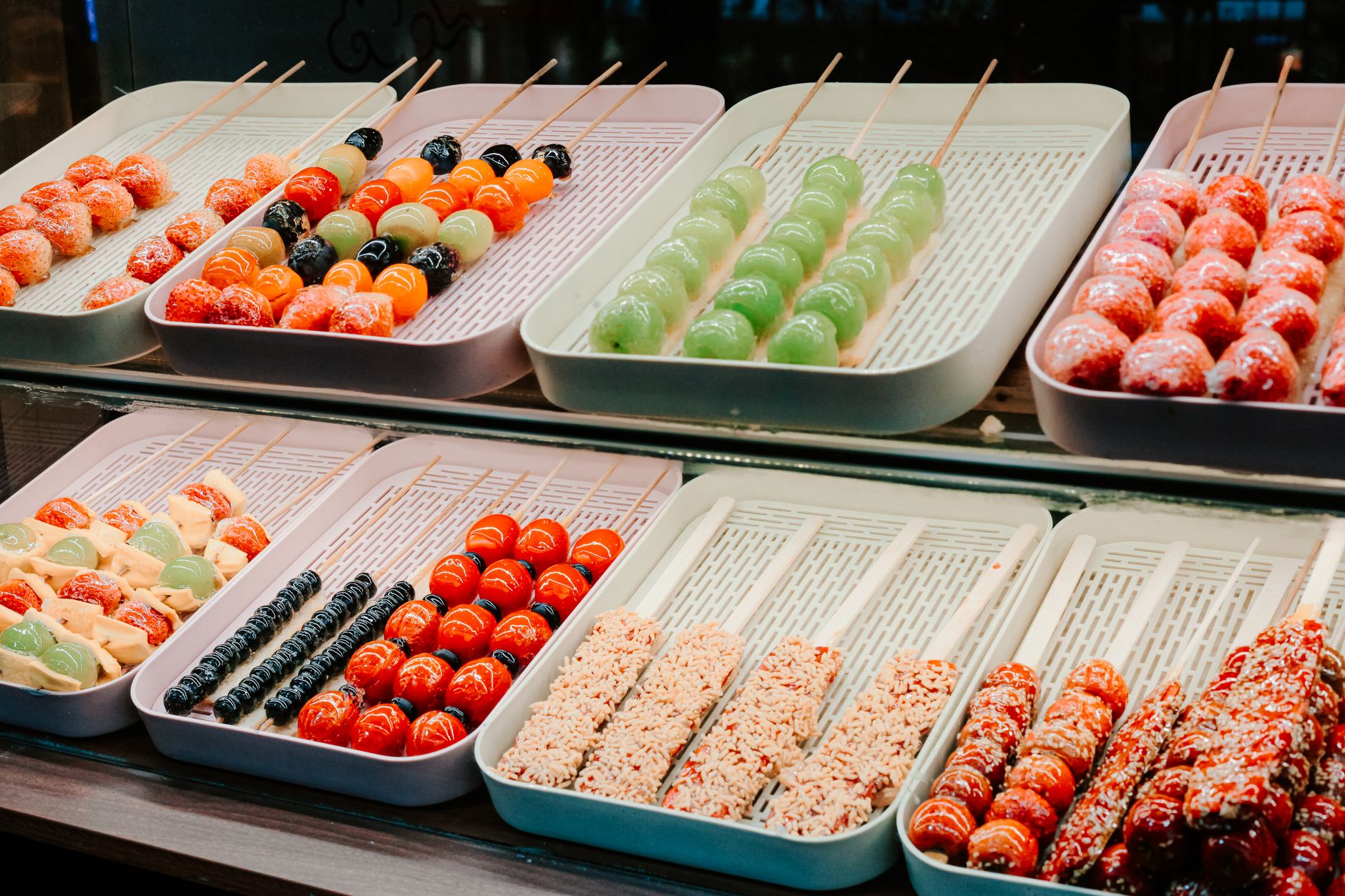
How to make Tanghulu in the microwave without failing?
Craving that crisp, glass-like candy shell on fresh fruit but hesitant to drag out heavy pots and candy thermometers? Making traditional Tanghulu on the stovetop often results in sticky cleanups or frustratingly crystallized sugar syrups. This simplified guide will show you how to master the technique in minutes using tools you already have in your kitchen.
Why Microwave Method Works (Science Explained)
To understand the quick Tanghulu microwave method, it helps to know how sugar behaves under heat. Traditional candy-making requires heating sucrose and water to the hard-crack stage, which is between 300 degrees Fahrenheit and 310 degrees Fahrenheit. On a stovetop, uneven heat and physical agitation easily trigger crystallization, turning your smooth syrup into grainy, opaque chunks. The microwave heats water and sugar molecules directly and evenly from the inside out. Since you do not stir the mixture once the microwaving starts, the risk of crystallization drops significantly. This makes the easy homemade Tanghulu process much more reliable for beginners who want a rapid, controlled sugar melt without constant supervision.
Essential Equipment and Ingredient Ratios
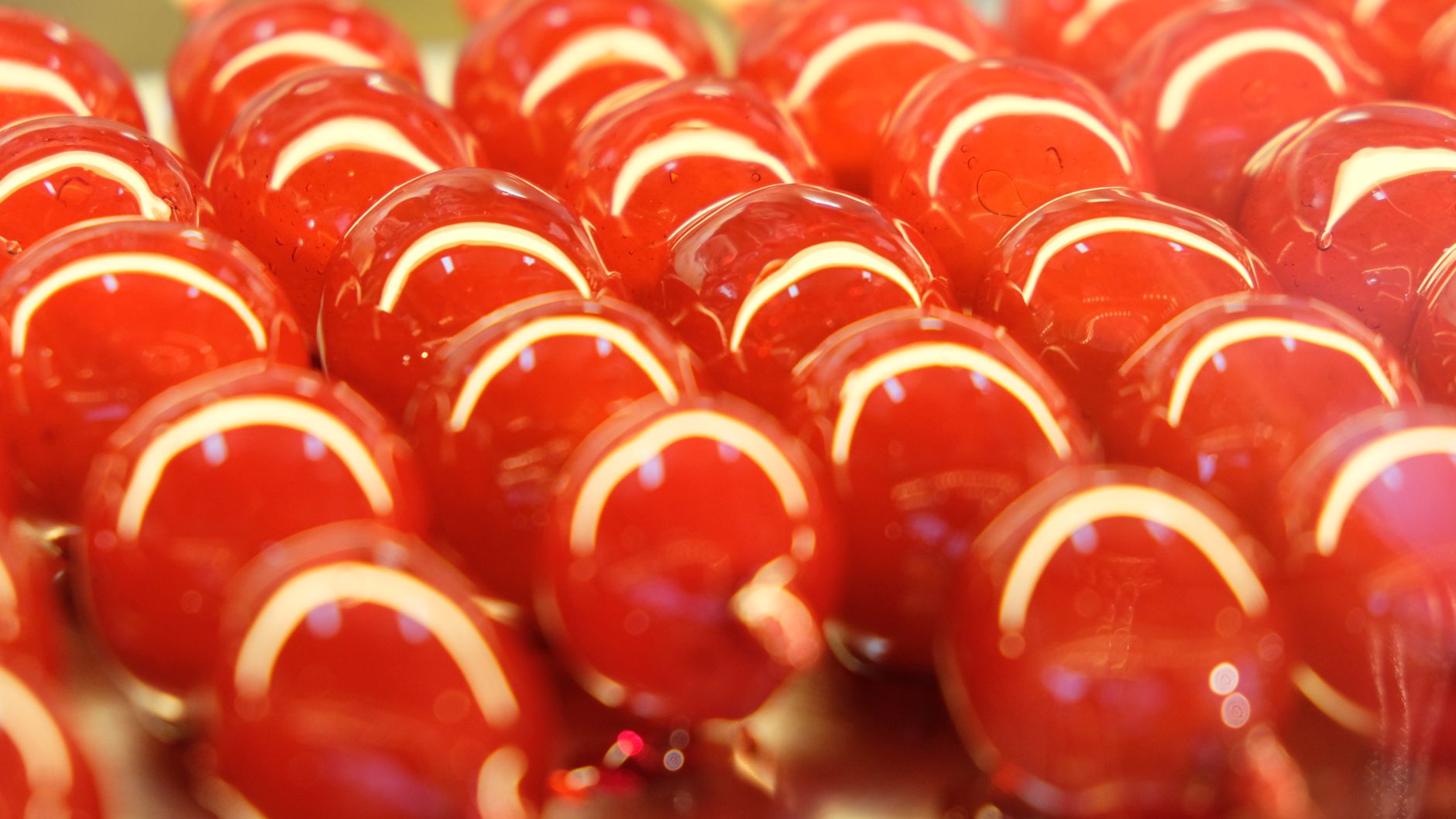
Success with this microwave Tanghulu recipe relies on precise ratios and the right tools. Because melted sugar reaches temperatures exceeding 300 degrees Fahrenheit, you must choose your equipment carefully to prevent melting plastic, cracked glass, or painful skin burns.
- Sugar-to-Water Ratio: Use a strict 2:1 ratio. 1/2 cup of white granulated sugar to 1/4 cup of room temperature water works best for small batches.
- The Container: You need a deep, narrow, microwave-safe glass or ceramic cup, such as a heat-safe glass measuring cup or a sturdy ceramic mug. Avoid plastic, which will warp or melt under intense heat.
- Wooden Skewers: Cut these down to fit comfortably inside your microwave.
- Ice Bath: A large bowl filled with cold water and plenty of ice cubes to instantly set the microwave candy coating Tanghulu.
- Fruit: Strawberries, grapes, or mandarin segments. They must be washed and dried completely.
Step-by-Step Microwave Instructions
Follow these precise steps to achieve a glass-like candy shell safely.
- Prep the fruit: Wash your fruit and pat every piece completely dry with paper towels. Skewer your fruit, placing one to two pieces on each stick. Ensure no moisture remains on the skin, as water prevents the syrup from sticking.
- Combine ingredients: In your deep glass measuring cup, combine 1/2 cup of granulated sugar and 1/4 cup of water. Stir gently with a spoon only until the sugar is moistened. Once mixed, wipe down any stray sugar grains from the inner walls of the cup. Do not stir again.
- Microwave in intervals: Place the cup in a 1000W to 1100W microwave. Set the power level to High (100 percent). Microwave for 3 minutes first. The mixture will bubble rapidly. Next, microwave in 30-second bursts. Finally, switch to 10-second bursts as the syrup starts to turn a very pale golden straw color. The total time usually ranges between 4 and 5 minutes.
- The Cold Water Test: Dip the tip of a clean skewer into the hot sugar, then immediately plunge it into your prepared ice water bath. Bite or squeeze the cooled sugar. If it is sticky or soft, it needs more time. If it snaps cleanly with a loud crunch, it is ready.
- Dip and Set: Working very quickly, tilt your glass cup to pool the syrup. Swirl each skewered fruit through the hot liquid in one continuous motion to achieve a thin coat. Immediately submerge the coated fruit into the ice bath for 5 seconds to set the shell, then place it on parchment paper.
Timing and Temperature Checkpoints
Temperature accuracy is critical when working with sugar. Because we are not using a thermometer in the microwave, we must rely on visual cues and precise time intervals.
During the first 2 minutes, you will see large, watery bubbles. The mixture is still too wet to coat anything. Between 3 and 3.5 minutes, the bubbles will slow down and become smaller and more uniform. Around the 4-minute mark, the syrup changes from clear to a pale amber hue. This indicates the temperature has reached approximately 300 degrees Fahrenheit. Stop microwaving immediately when you see this color change; sugar burns within seconds once it reaches this point. Always handle the container with heat-resistant oven mitts, as the glass will be extremely hot.
Common Failures and How to Avoid Them
Even with a reliable microwave Tanghulu recipe, things can go wrong if you rush the process. Here is how to keep your candy coating light and crisp.
If your candy coating remains tacky and sticks to your teeth, the sugar did not reach the proper temperature. Simply return the cup to the microwave for another 10 to 15 seconds and test again. If your syrup turns cloudy and solidifies inside the cup, you likely stirred it while it was heating. If this happens, you cannot salvage the batch; you must discard it and start over. If the syrup turns dark brown, it has burned and will taste bitter. Watch your microwave closely during the final minute and stop heating the moment you see a light yellow-golden tint.
- Always use room temperature water. Cold water slows down the heating process, making your microwave times unpredictable.
- Dip your fruit in a single, fast rotation. Multiple dips build a thick candy shell that is too hard to bite through safely.
- Keep a bowl of soapy, hot water nearby for cleanup. Once you are done, soak your glass cup immediately to dissolve any leftover hardened sugar.
Frequently Asked Questions
Why did my microwave Tanghulu crystallize too quickly?
Crystallization happens when sugar crystals are agitated during the heating process. If you stir the syrup after it begins microwaving, or if there were undissolved sugar crystals stuck to the sides of your cup, it triggers a chain reaction that turns the liquid into a grainy solid. Always mix the sugar and water gently before heating, wash down the inner sides of the cup, and leave it completely undisturbed while in the microwave.
How long should I microwave the sugar mixture?
In a standard 1000W to 1100W microwave, the total cooking time is typically between 4 and 5 minutes. However, because microwave strengths vary, you should focus on visual cues rather than a strict timer. Stop heating as soon as the bubbles slow down and the syrup takes on a very pale golden-yellow tint.
Can I use any microwave-safe bowl for making Tanghulu?
No, you should avoid shallow bowls and plastic containers. Plastic can melt under the extreme 300 degrees Fahrenheit heat of the syrup, and shallow bowls do not provide enough depth to fully submerge the fruit quickly. Use a narrow, deep, heat-resistant glass measuring cup or a thick ceramic mug to ensure safe handling and easy dipping.
What power level should I use for melting sugar safely?
You should use High power (100 percent power level) for the entire process. Reducing the power level slows down the evaporation of water, making it difficult to reach the hard-crack stage efficiently and increasing the likelihood of crystallization.
With these practical adjustments to your kitchen routine, you can enjoy a delightfully crisp batch of candied fruit without the hassle of stovetop cooking. Gather your favorite fruits, prep your ice bath, and enjoy the satisfying crunch of your successful homemade treat.











