How to make a high-protein alfredo sauce using cottage cheese instead of heavy cream?
Think about those nights when you crave a rich, comforting pasta dish, but also want to keep things on the healthier side. Traditional alfredo sauce, while undeniably delicious, often comes with a significant amount of saturated fat and calories. What if there was a way to enjoy that creamy goodness without the guilt, boosting the protein content at the same time?
Why Swap Heavy Cream for Cottage Cheese?
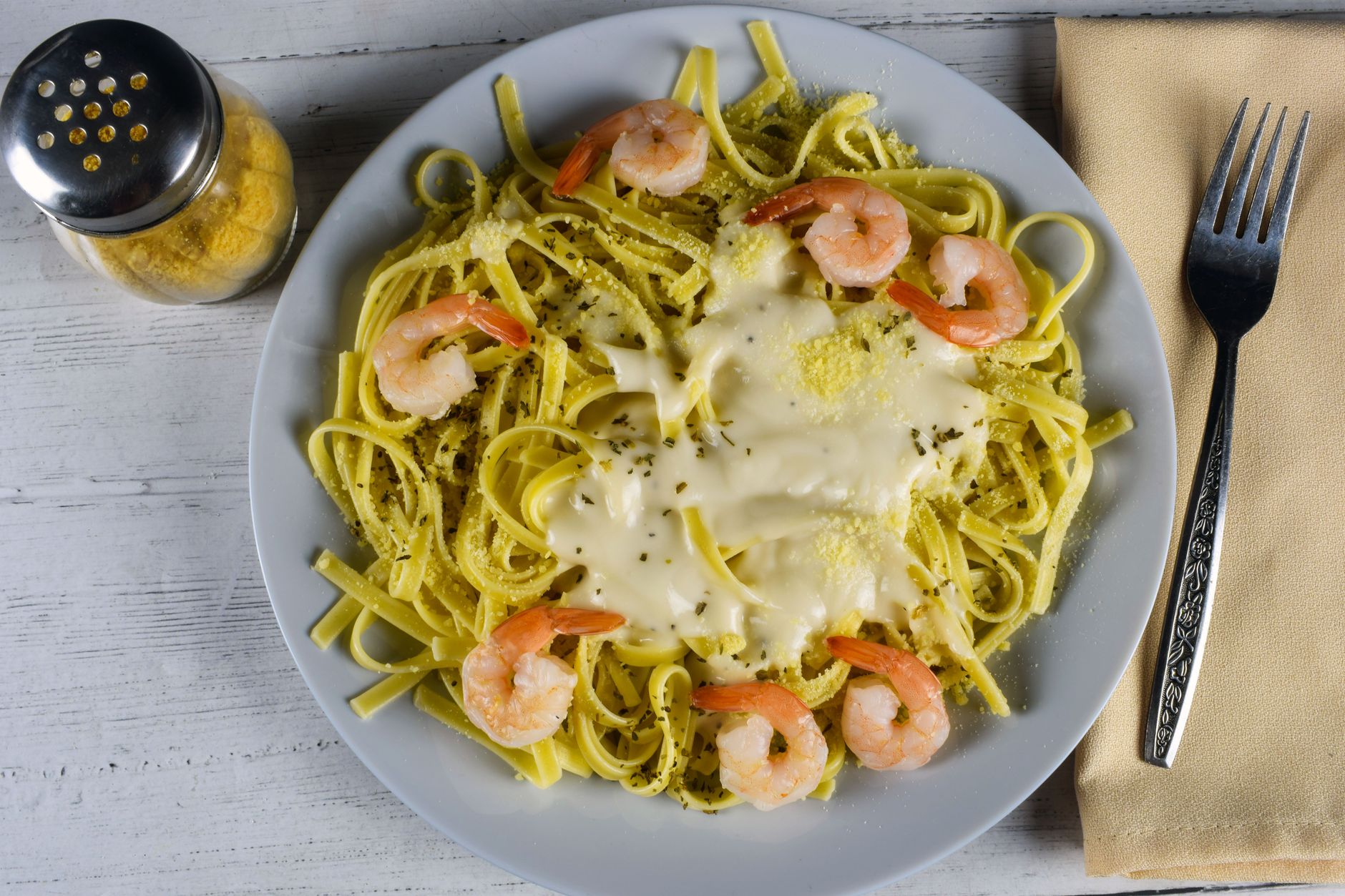
For decades, alfredo sauce has been synonymous with indulgence, relying on heavy cream, butter, and Parmesan cheese to create its signature velvety texture. While there’s certainly a place for classic comfort food, many of us are looking for ways to enjoy our favorite dishes with a nutritional boost. This is where cottage cheese steps in as an unexpected, yet incredibly effective, hero.
Cottage cheese, often praised for its high protein content and versatility, can be transformed into a surprisingly smooth and creamy base for a healthy alfredo sauce. When blended properly, its curds disappear, leaving behind a luscious, thick consistency that mimics traditional heavy cream. Not only does it significantly reduce the fat and calorie count, but it also elevates the protein profile of your meal, making it a much more satisfying and balanced option for a weeknight dinner.
Embracing cottage cheese for your pasta sauce is a smart move for anyone seeking a delicious yet mindful approach to their meals. It’s a simple change that yields remarkable results, opening up a world of possibilities for guilt-free pasta nights and other creamy dishes.

Nutritional Comparison: Cottage Cheese vs. Traditional Alfredo
Let’s break down the nutritional differences that make this protein alfredo a game-changer. Comparing a typical serving (about 1 cup) of a traditional heavy cream-based alfredo sauce to a cottage cheese version reveals significant disparities:
- Traditional Alfredo Sauce (approximate per 1 cup):
- Calories: 800-1000
- Total Fat: 80-100g
- Saturated Fat: 40-50g
- Protein: 15-20g
- Cottage Cheese Alfredo Sauce (approximate per 1 cup, using low-fat cottage cheese):
- Calories: 250-350
- Total Fat: 10-20g
- Saturated Fat: 5-10g
- Protein: 30-40g
As you can see, the difference is stark. By opting for cottage cheese, you’re not just reducing calories and saturated fat; you’re more than doubling the protein content! This makes your meal much more filling and supportive of muscle health, all while delivering that comforting alfredo flavor you love. It’s a win-win for taste and nutrition.
Complete Cottage Cheese Alfredo Recipe
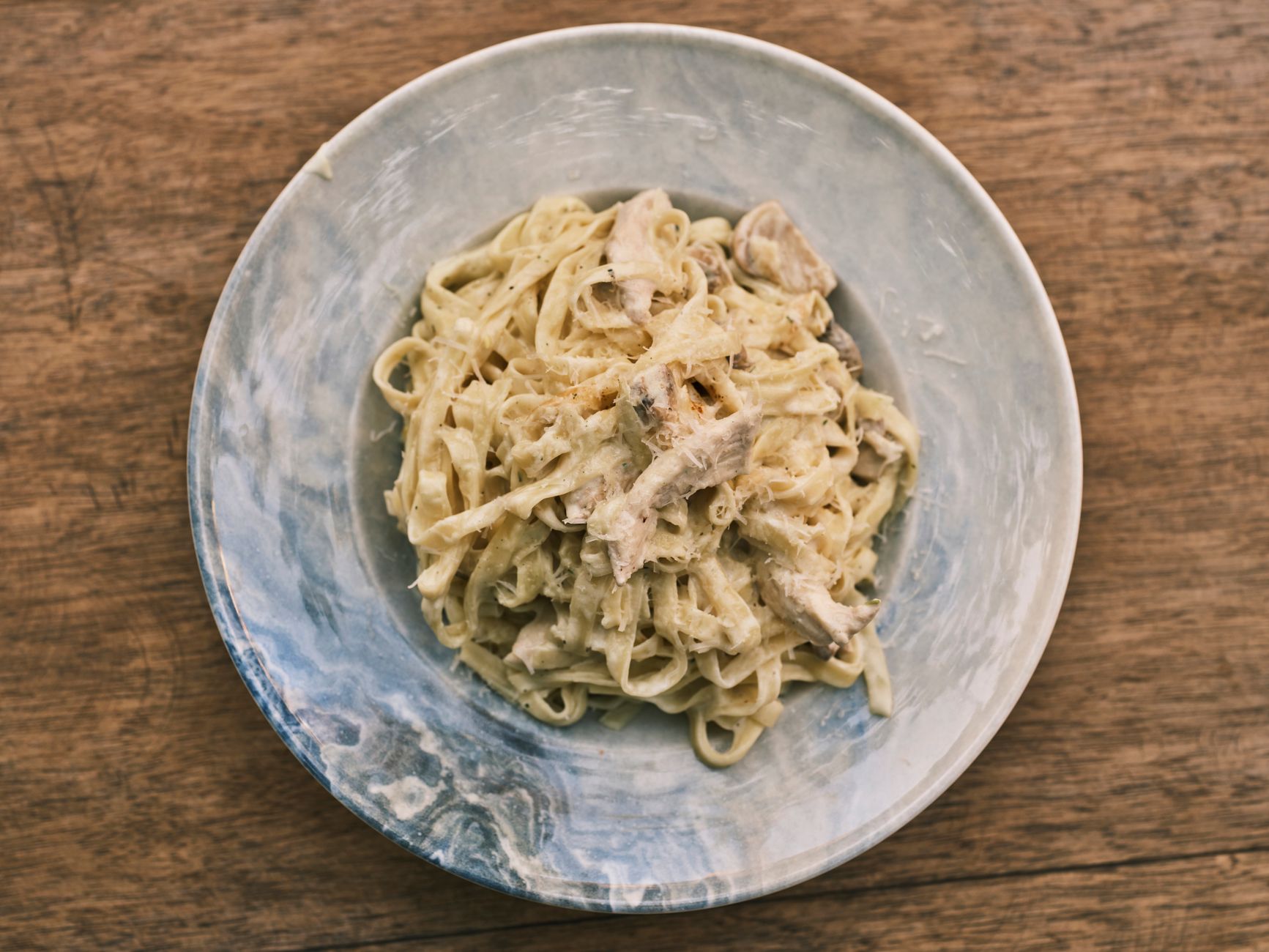
Ready to create your own lightened-up, high-protein alfredo? This cottage cheese alfredo sauce recipe is surprisingly simple and comes together quickly.
Ingredients:
- 2 cups low-fat (or full-fat for richer taste) cottage cheese
- ½ cup milk (any kind: dairy, almond, or cashew milk work well) or low-sodium chicken/vegetable broth
- 2 tablespoons unsalted butter or olive oil
- 3 cloves garlic, minced
- ½ cup grated Parmesan cheese, plus more for serving
- ¼ teaspoon ground nutmeg
- ½ teaspoon black pepper
- ¼ teaspoon salt (or to taste, Parmesan cheese is salty)
- Optional: Pinch of red pepper flakes for a subtle kick
- Your favorite pasta (1 pound), cooked according to package directions
Instructions:
- Prepare the Cottage Cheese Base: In a high-speed blender, combine the cottage cheese and milk (or broth). Blend on high until completely smooth and creamy, scraping down the sides as needed. This usually takes 1-2 minutes. Set aside.
- Sauté Garlic: In a large skillet or pot over medium heat, melt the butter (or heat the olive oil). Add the minced garlic and sauté for 1-2 minutes until fragrant, being careful not to burn it.
- Combine and Heat: Pour the blended cottage cheese mixture into the skillet with the garlic. Stir well. Heat gently over medium-low heat, stirring frequently, until the sauce is warmed through and starts to gently simmer. Do not let it boil vigorously.
- Add Cheese and Seasonings: Remove the skillet from the heat. Stir in the grated Parmesan cheese, nutmeg, black pepper, and salt. If using, add the red pepper flakes. Continue stirring until the Parmesan is fully melted and incorporated, making the sauce extra smooth and cheesy.
- Toss with Pasta: Add your cooked and drained pasta directly to the skillet with the sauce. Toss gently to coat all the pasta evenly. If the sauce seems too thick, add a tablespoon or two of the reserved pasta water until it reaches your desired consistency.
- Serve: Serve immediately, garnished with extra grated Parmesan cheese and a sprinkle of fresh parsley if desired.
How to Achieve Creamy Texture
The secret to a truly smooth cottage cheese pasta sauce lies entirely in the blending technique. Cottage cheese, by nature, has small curds, and to transform it into a silky alfredo, you need to ensure these curds are completely pulverized.
- Use a High-Speed Blender: A powerful blender is your best friend here. Immersion blenders can work, but a stand blender will give you the smoothest result.
- Blend Thoroughly: Don’t rush this step. Blend the cottage cheese and liquid (milk or broth) for at least 1-2 minutes, or until there are absolutely no visible curds remaining. Scrape down the sides of the blender often to ensure everything gets incorporated.
- Add Liquid Gradually if Needed: If your blender struggles, add the liquid slowly while blending. The goal is a thick, pourable, and completely smooth consistency.
- Pro Tip: For an extra layer of richness without heavy cream, consider using full-fat cottage cheese instead of low-fat. It will still be significantly healthier than traditional alfredo.
Seasoning and Flavor Variations
While the basic cottage cheese alfredo sauce recipe is delicious on its own, here are some ideas to customize the flavor:
- Herbaceous Freshness: Stir in 1-2 tablespoons of fresh chopped parsley, chives, or basil at the end.
- Zesty Brightness: A teaspoon of lemon zest or a squeeze of fresh lemon juice can cut through the richness and add a lovely bright note.
- Spicy Kick: Increase the red pepper flakes or add a dash of cayenne pepper for those who enjoy a little heat.
- Umami Boost: A dash of white miso paste or a teaspoon of nutritional yeast can deepen the savory flavor profile.
- Smoky Undertones: A pinch of smoked paprika can add a unique depth of flavor.
- Pro Tip: Always taste and adjust seasonings at the end. The saltiness of Parmesan can vary, so add additional salt sparingly.
Frequently Asked Questions
How do you make cottage cheese alfredo smooth and creamy?
The key to a smooth and creamy cottage cheese alfredo lies in thorough blending. Use a high-speed blender and combine the cottage cheese with milk or broth, blending for at least 1-2 minutes until absolutely no curds remain. Scrape down the sides of the blender as needed to ensure complete emulsification. Adding the Parmesan cheese and whisking it in gently after heating also helps achieve that luxurious, silky texture.
What’s the protein difference between cottage cheese and cream alfredo?
The protein difference is substantial. A typical serving (1 cup) of traditional heavy cream alfredo might offer around 15-20 grams of protein. In contrast, a 1-cup serving of cottage cheese alfredo, especially when made with low-fat cottage cheese, can provide anywhere from 30-40 grams of protein. This makes it a much more satiating and muscle-supporting meal, helping you feel fuller for longer.
Can you freeze cottage cheese alfredo sauce?
While technically possible, freezing cottage cheese alfredo sauce is generally not recommended. Dairy-based sauces, especially those with cheese, tend to separate and become grainy or watery upon thawing and reheating. The texture will likely be compromised. For best results, it’s ideal to prepare and enjoy this sauce fresh. If you must freeze, consider blending it again vigorously after thawing to try and restore some of its creaminess, but expect some textural changes. Store refrigerated for up to 3-4 days.
What flavors pair well with cottage cheese alfredo?
Cottage cheese alfredo’s mild, creamy base is incredibly versatile. It pairs beautifully with classic Italian flavors like garlic, nutmeg, and black pepper. You can enhance it with fresh herbs such as parsley, basil, or chives. For a bright twist, a squeeze of lemon juice or a sprinkle of lemon zest works wonderfully. Other great additions include red pepper flakes for a subtle heat, sun-dried tomatoes for a concentrated savory sweetness, or even a touch of white wine or vegetable broth for added depth when blending. It’s an excellent base for chicken, shrimp, or roasted vegetables.
- Pro Tip: When reheating any leftover sauce, do so gently over low heat, stirring frequently. Add a splash of milk or broth to loosen it up if it has thickened too much.
Conclusion
Embracing this cottage cheese alfredo sauce recipe means you no longer have to choose between a satisfying, creamy pasta dish and your health goals. This clever swap delivers all the comforting flavor of alfredo with a significant protein boost and a fraction of the fat. Enjoy it tossed with your favorite pasta, as a sauce for chicken or shrimp, or drizzled over steamed vegetables for a wholesome and delicious meal.











