
How to choose the best cutting board wood that is beautiful enough for serving food?
Imagine plating a delicious charcuterie spread for guests, only to realize your worn-out plastic cutting board isn’t quite the elegant centerpiece you envisioned. Or perhaps you’ve just carved a juicy roast and want to bring it straight to the table with flair. The modern kitchen demands tools that are not only functional workhorses but also beautiful enough to step into the spotlight, and nowhere is this more true than with your cutting board.
Wood types and their characteristics
When selecting the best cutting board wood for serving, you’re looking for a material that can withstand knife work without dulling your blades too quickly, resist moisture, and offer an appealing aesthetic. Each wood type brings its own set of characteristics to the table, influencing durability, maintenance, and visual appeal.
- Maple (Hard Rock Maple): Often considered the gold standard for cutting boards, hard rock maple (specifically sugar maple) is dense, fine-grained, and incredibly durable. Its light, creamy color provides a clean, classic look that brightens any kitchen. Maple is very hard, resisting deep knife marks, yet isn’t so hard that it dulls knives excessively. It’s an excellent choice for a workhorse board that also looks refined enough for serving.
- Walnut (Black Walnut): Known for its rich, dark brown hues, walnut is slightly softer than maple but still highly durable and knife-friendly. Its natural oils give it good water resistance, and its striking grain patterns make it exceptionally beautiful for presentation. Walnut boards are often favored for their luxurious appearance, perfect for showcasing cheeses, breads, or roasted meats as elegant wooden serving boards.
- Cherry: Offering a beautiful reddish-brown color that deepens with age and exposure to light, cherry wood is a popular choice for its aesthetic warmth. It’s a medium-hard wood, making it gentle on knives, and has a fine, uniform grain that resists staining. Cherry boards provide a charming, rustic yet refined look, ideal for complementing a variety of kitchen aesthetics and serving styles.
- Teak: While less common for everyday cutting boards in North America due to its cost and sourcing, teak is highly prized for its exceptional water resistance and durability. Teak’s natural oils and dense grain make it incredibly resilient, though it can be slightly harder on knives than maple or walnut. Its beautiful golden-brown color and distinctive grain patterns make it a stunning choice for serving boards, especially in humid environments or for outdoor entertaining. Ensure you choose sustainably sourced teak if considering this option.
- Bamboo: Technically a grass, not a wood, bamboo cutting boards are popular for their sustainability and hardness. However, they can be very hard on knives, dulling them faster than traditional hardwoods. Bamboo is also prone to delamination if not properly cared for. While it offers a unique look, it might not be the best cutting board wood for serving if knife-friendliness is a top priority, and its aesthetic can sometimes be too casual for formal serving.
Grain patterns and visual appeal
Beyond the type of wood, the way the wood is cut and assembled into a board significantly impacts its durability and visual appeal. This leads to three primary grain patterns:
- End Grain: This is achieved by cutting the wood into small blocks and arranging them so the end of the wood grain is facing upwards. Imagine looking at the rings of a tree trunk – that’s end grain. End grain boards are the most durable and knife-friendly because the knife edge slices between the wood fibers rather than across them, allowing the fibers to “heal” back together. This self-healing property also means fewer visible knife marks over time. Visually, end grain boards often feature a beautiful checkerboard or mosaic pattern, making them incredibly attractive and a standout element in your kitchen aesthetics. They are, however, typically the most expensive due to the labor-intensive construction.
- Edge Grain: Created by gluing strips of wood together with the edges facing up, edge grain boards are a common and robust choice. They are more durable than face grain boards and offer a good balance of cost, durability, and knife-friendliness. The longer strips of wood showcase the natural linear grain patterns beautifully, providing a sleek and modern look that transitions effortlessly from prepping to serving.
- Face Grain: This is the simplest and most common cut, where the wide face of the plank is used as the cutting surface. While face grain boards display the full beauty of the wood’s natural grain and can be very aesthetically pleasing for serving, they are the least durable for heavy chopping. Knife marks will be more prominent, and the board may warp or crack more easily over time. For boards primarily intended for light serving or display, face grain can be a cost-effective and beautiful option.
Pro Tip: For a board that truly excels at both cutting and serving, an end-grain maple or walnut board offers unparalleled durability, knife-friendliness, and a stunning visual presentation that elevates any meal.
Food safety and sanitation
When using any cutting board for food, safety is paramount. Wooden boards have long been a subject of debate, but modern research suggests they are, in many ways, just as safe as, if not safer than, plastic boards, especially with proper care. Wood naturally possesses antimicrobial properties, meaning bacteria can be drawn into the wood fibers and die off rather than multiply on the surface.
To ensure your wooden board remains safe for both cutting and serving:
- Clean Immediately: After each use, wash your board promptly with hot, soapy water. Avoid letting food residue sit on the board for extended periods.
- Rinse Thoroughly: Rinse all soap from the board.
- Dry Completely: This is crucial. Air dry the board vertically on a drying rack or lean it against a wall so air can circulate on all sides. Do not lay it flat, as this can lead to warping or mildew. Never put a wooden board in the dishwasher, as the intense heat and prolonged water exposure will warp, crack, and potentially delaminate the wood.
- Separate Boards (if necessary): If you routinely cut raw meats, poultry, or fish, it’s a good practice to designate a separate board for these items to prevent cross-contamination, even with a wooden board. Your beautiful wooden serving board can then be reserved for cooked foods, cheeses, fruits, and breads.
Pro Tip: For extra sanitation after cutting raw ingredients, you can wipe the board with a solution of 1 tablespoon of white vinegar mixed with 1 cup of water, then rinse and dry. Avoid using harsh chemical cleaners or bleach, as these can dry out and damage the wood.
Size and shape considerations
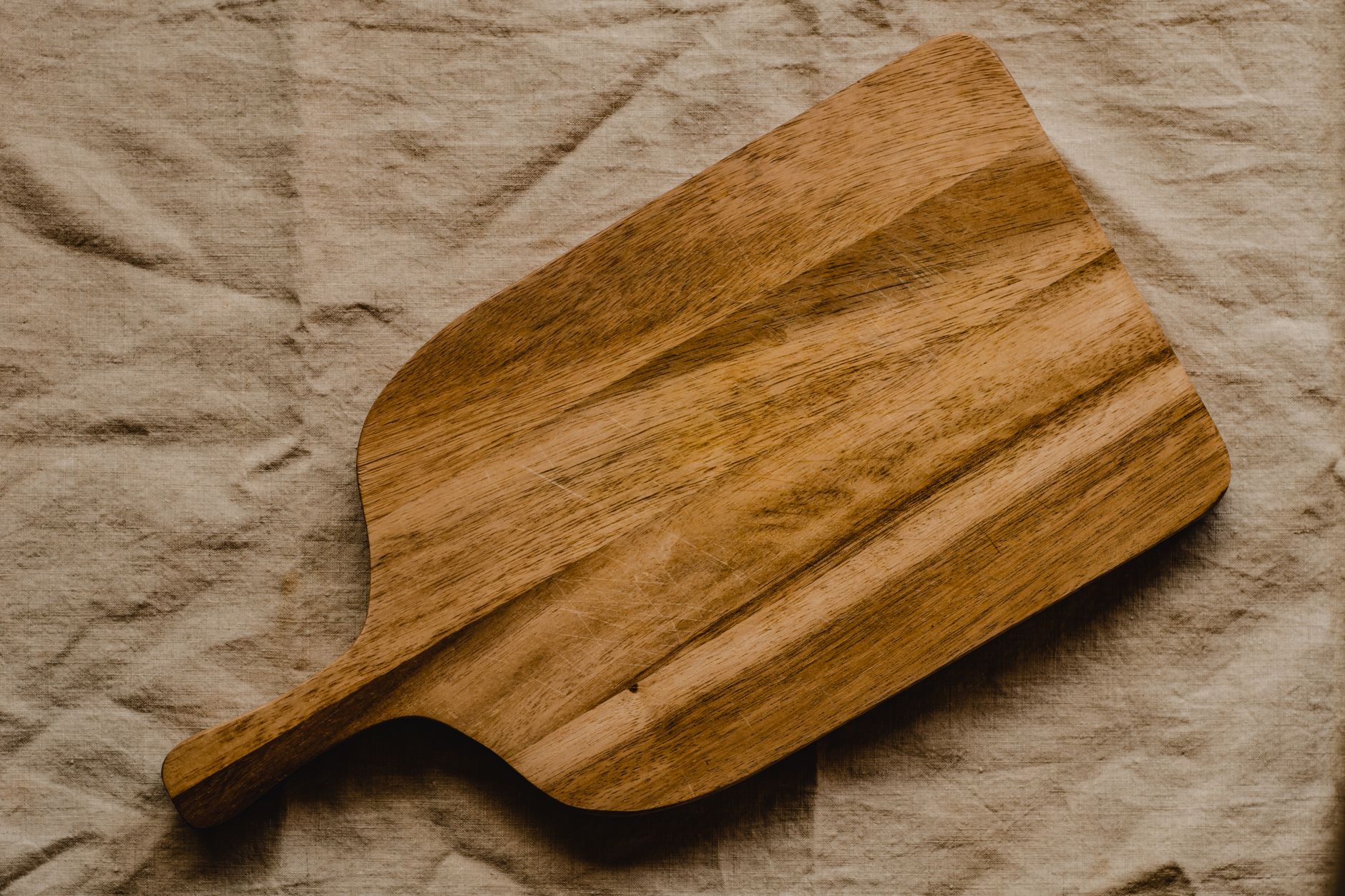
The ideal size and shape of your cutting board depend heavily on its intended use. For serving, consider the types of food you’ll be presenting and the number of guests. A larger board offers more surface area for elaborate charcuterie spreads or a whole roasted chicken, while smaller, more decorative boards are perfect for an intimate cheese and cracker selection.
- Large Rectangular Boards: Excellent for carving large roasts, preparing family meals, and creating impressive charcuterie displays. Sizes around 18×24 inches or 16×20 inches are highly versatile.
- Medium Boards: Ideal for daily prep tasks like chopping vegetables or slicing bread, and still perfectly suitable for serving appetizers or smaller cheese selections. A 12×18 inch board is a great all-rounder.
- Small Boards/Paddles: Great for individual servings, quickly chopping herbs, or as decorative trivets.
Consider features like juice grooves if you plan to carve meats. These channels around the perimeter of the board collect liquids, preventing them from spilling onto your countertop or table – a practical feature that doesn’t detract from kitchen aesthetics when serving.
Pro Tip: When choosing a board, lift it. A heavier, denser board usually indicates higher quality wood and construction, which translates to better durability and stability during use and serving.
Frequently Asked Questions
What wood is best for cutting boards?
For a combination of durability, knife-friendliness, and aesthetic appeal suitable for both cutting and serving, hard rock maple is widely considered the best cutting board wood. Its fine grain, hardness, and light color make it a versatile and classic choice. Walnut is a close second, prized for its rich color and natural oils, offering a slightly softer yet equally beautiful and durable option. Both excel in end-grain construction for optimal performance.
Can you use cutting boards for serving?
Absolutely! Many high-quality wooden cutting boards are designed with both function and beauty in mind, making them perfect wooden serving boards. To ensure they are suitable for serving, choose a board made from attractive, food-safe wood (like maple, walnut, or cherry) that is well-maintained and free from deep cuts or stains. Regularly oiling the board will keep it looking pristine and protect it from drying out, enhancing its appeal for presenting food. If you use it for raw meats, clean and sanitize it thoroughly before using it for cooked or ready-to-eat foods.
How do you maintain wooden serving boards?
Proper maintenance is key to extending the life and beauty of your wooden serving boards:
- Wash by Hand: Always hand wash with hot, soapy water immediately after use. Never put wooden boards in the dishwasher.
- Dry Thoroughly: Stand the board on its edge to air dry completely on all sides. Do not let it soak in water.
- Oil Regularly: Condition your board with food-grade mineral oil, butcher block oil, or a board cream (a mix of mineral oil and beeswax). This prevents the wood from drying out, cracking, and staining. Apply a generous coat, let it soak in for several hours (or overnight), then wipe off any excess. Do this monthly for heavily used boards, or every few months for lighter use.
- Remove Stains & Odors: For stubborn stains or odors, sprinkle coarse salt on the board, let it sit for 10-15 minutes, then scrub with a lemon half. Rinse and re-oil.
- Store Properly: Store boards in a dry place, either flat or on edge, away from extreme heat or cold.

Choosing the right cutting board wood for serving is an investment in both your culinary practice and your kitchen’s aesthetic. By considering wood type, grain, and proper care, you’ll select a board that not only performs beautifully but also serves as an inviting centerpiece for years to come.











