You spent time boiling sugar to exactly 300°F, dipped your fresh strawberries or grapes, and achieved that flawless, glass-like crunch, only to watch your creation dissolve into a sticky, syrupy mess an hour later. If you are struggling with keeping your glossy candy skewers intact, you are not alone. Understanding the nuances of **homemade tanghulu shelf life** is the secret to making sure your hard work does not go to waste before your first bite.
How Long Does Homemade Tanghulu Really Last?
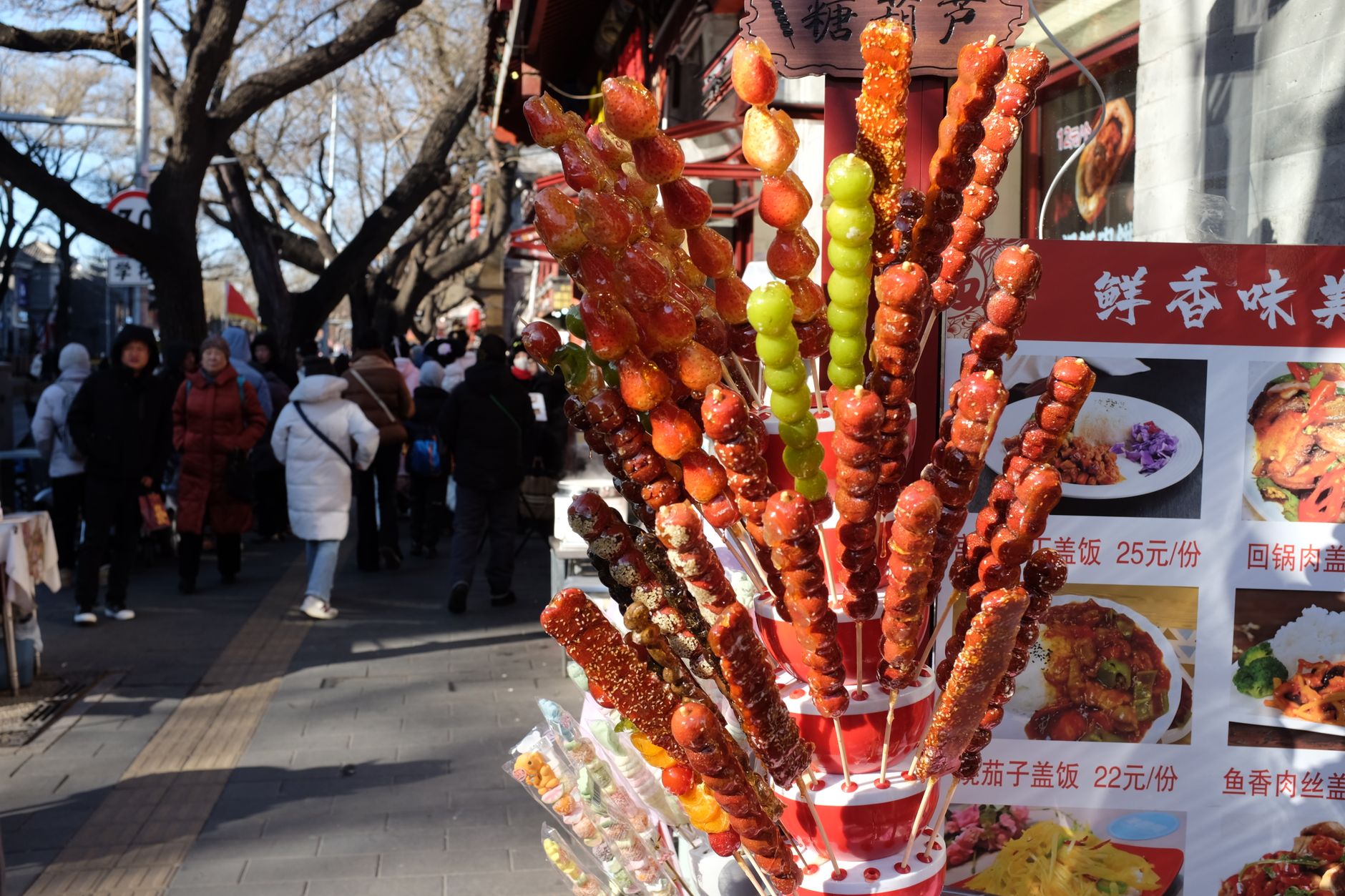
When it comes to the lifespan of this traditional Chinese street food, the clock starts ticking the moment the sugar syrup hardens. Ideally, homemade tanghulu should be consumed within 1 to 2 hours of dipping. At this peak stage, the sugar shell is light, crisp, and shatters perfectly with every bite without sticking to your teeth.
Because sugar is highly sensitive to its environment, the **homemade tanghulu shelf life** drops dramatically as time passes. To help you plan your kitchen projects, here is a breakdown of what happens to the candy shell over a 24-hour timeline:

- 0 to 2 Hours: Peak quality. The candy coating is completely dry to the touch, and the fruit inside remains crisp and plump.
- 2 to 6 Hours: The sugar begins to absorb ambient moisture. You will notice a slight stickiness on the surface, especially where the fruit meets the wooden skewer.
- 6 to 12 Hours: The sugar coating begins to weep. It thins out, forming small droplets of syrup on the surface of the fruit. The loud, glass-like crunch is noticeably softer.
- 12 to 24 Hours: The structural integrity of the candy shell is largely gone. The sugar dissolves back into a sticky glaze, and the fruit begins to release its juices, pooling at the bottom of your tray.
Why Tanghulu Melts (The Science)
To understand why your candy loses its crunch, we have to look at basic food chemistry. The main question every home cook asks is: **does tanghulu melt** because of heat or because of moisture? The answer is almost always moisture.
Sugar is a highly hygroscopic substance. This means it naturally attracts and extracts water molecules from the surrounding air. When you boil a mixture of 2 cups of sugar and 1 cup of water to 300°F, you are removing almost all the water content to create a hard-crack sugar stage. Once cooled, this dry sugar structure desperately wants to pull moisture back in from its environment.
Additionally, osmosis plays a massive role from the inside out. Fresh fruits are packed with water. When encased in a dry, highly concentrated sugar shell, the natural moisture inside the fruit attempts to migrate outward to balance the sugar concentration. This internal moisture quickly dissolves the candy shell from the inside, causing it to liquefy. If you cut your fruits (like sliced strawberries or kiwi slices) instead of using whole, skin-intact fruits like grapes, this process accelerates rapidly.
Best Storage Methods by Environment
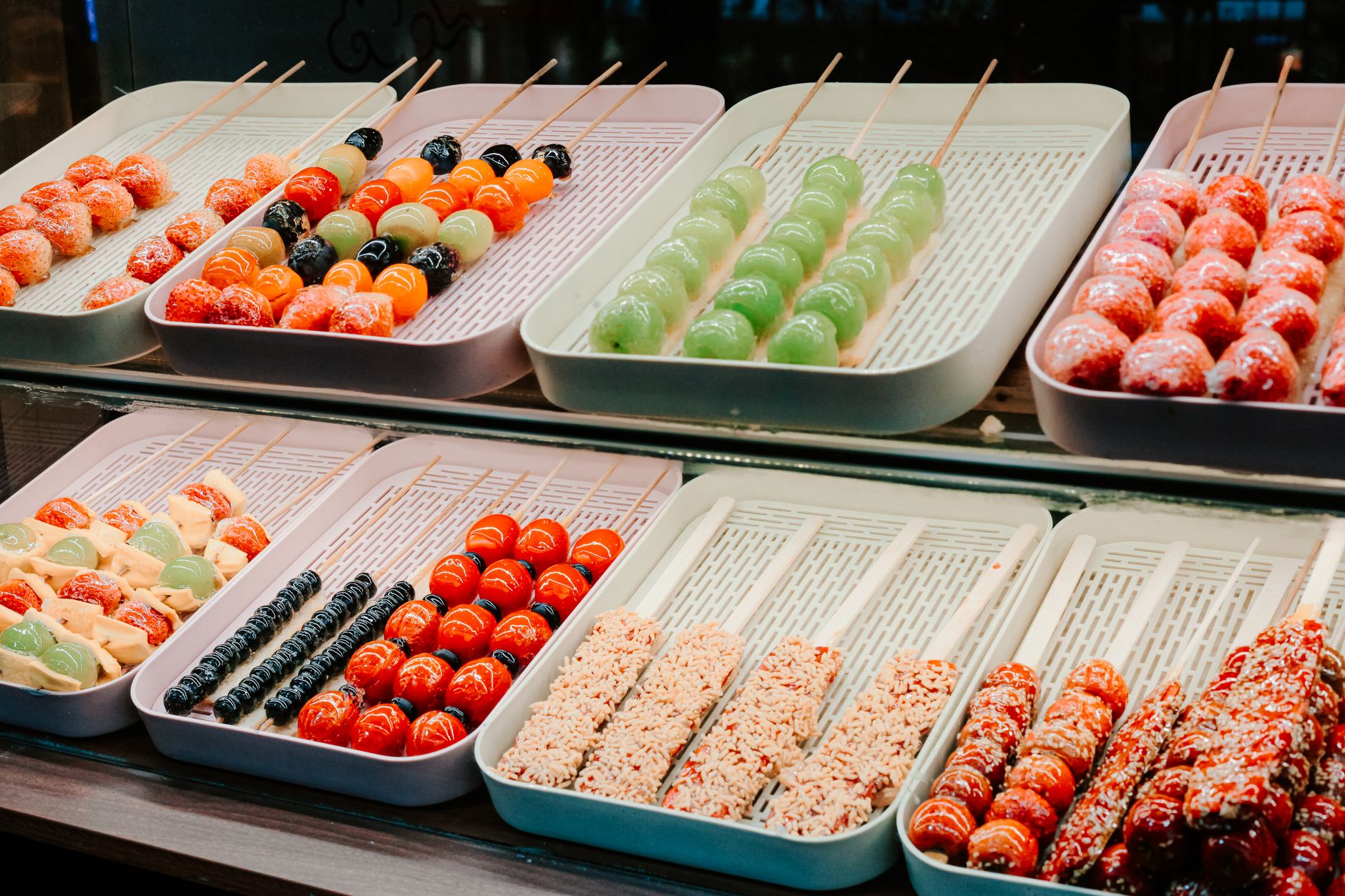
To maximize your **homemade tanghulu shelf life**, you must carefully manage the environment where you keep your treats. Weather conditions and regional climate also have a massive impact on your **tanghulu storage** success. Here is how different storage methods compare:
Room Temperature Storage
Keeping your tanghulu at room temperature is the preferred method if you plan to eat it within a few hours. Keep the skewers on a sheet of parchment paper in a cool, dark pantry. Avoid wrapping them tightly in plastic wrap or placing them in airtight plastic bags, as this traps the ambient moisture and creates a humid micro-climate that melts the sugar. If you live in a highly humid or tropical environment, room temperature storage will fail quickly, whereas dry climates can extend room temperature life up to 4 hours.
Refrigerated Storage
If you must store your treats for later in the day, refrigeration is your best bet, but it requires specific steps. Refrigerators are naturally humid environments due to constant cooling cycles. If you place bare skewers directly onto a plate in the fridge, the candy will melt within hours. To implement proper **how to store tanghulu** practices in the fridge, line an airtight container with dry paper towels to absorb excess condensation. Wrap each individual skewer loosely in parchment paper so they do not touch each other, seal the container tightly, and place it in the coldest part of your refrigerator.
Frozen Storage
Freezing is the only way to keep the sugar shell hard for more than a day, but it changes the texture of the fruit. When you freeze the candy, the sugar shell remains hard, and the fruit freezes solid. If you enjoy eating frozen fruit treats, this is an excellent option. However, you must eat them straight from the freezer. Once frozen tanghulu begins to thaw at room temperature, the ice inside the fruit melts, releasing a flood of liquid that completely dissolves the sugar shell into a sticky puddle within minutes.
Signs Your Tanghulu Has Gone Bad
Because you are working with fresh fruit, safety is just as important as texture. Here are the clear warning signs that your candy has passed its prime and should be thrown out:
- Liquified or Dissolved Shell: If the candy coating has turned back into a sticky syrup pool, the texture is ruined, even if the fruit is technically still edible.
- Sour or Fermented Odor: When fruit sits in sugar syrup at room temperature, it can quickly begin to ferment. If you notice a yeast-like or alcoholic smell, discard it immediately.
- Bubbly, Foamy Syrup: If you see tiny bubbles forming in the melted syrup pooling around the skewers, this is a sign of active bacterial or yeast growth.
- Mold Growth: Any visible spots of white, green, or black mold on the exposed fruit or wooden skewers mean the treat is unsafe to consume.
- Extremely Mushy Fruit: If the fruit collapses completely under gentle pressure, it has degraded too far to be enjoyable.
Frequently Asked Questions
Can homemade tanghulu be refrigerated?
Yes, homemade tanghulu can be refrigerated for up to 12 hours, but you must protect it from the high humidity inside the fridge. Wrap the skewers loosely in parchment paper and place them in an airtight container lined with paper towels to absorb any condensation that forms during storage.
Why does tanghulu melt quickly?
Tanghulu melts quickly because sugar is highly hygroscopic, meaning it draws moisture out of the surrounding air and out of the fruit itself. This moisture dissolves the hard-crack sugar shell from both the inside and the outside, turning the crunchy glaze back into a liquid syrup.
How do you prevent tanghulu from getting sticky?
To prevent stickiness, ensure you boil your sugar and water mixture to exactly 300°F using a reliable candy thermometer. Additionally, dry your fruit completely with paper towels before dipping, and avoid making this treat on highly humid or rainy days when moisture levels in the air are elevated.
Can you freeze tanghulu?
Yes, you can freeze tanghulu for up to two weeks. However, you must eat the skewers directly from the freezer while they are still frozen solid. If you allow the frozen fruit to thaw, it will release excess water and completely melt the sugar coating.
Pro Tips for Tanghulu Success
- Always use whole fruits with their skins intact, like grapes or whole strawberries with the green stems left on, to prevent internal juices from leaking into the sugar shell.
- Add a pinch of cornstarch or dust your dried fruit lightly with starch before dipping to create a dry barrier that prevents osmosis.
- Place a food-safe silica gel desiccant packet inside your storage container to actively pull moisture out of the air and keep the sugar dry.
With a little scientific understanding of how sugar interacts with moisture, you can easily extend the life of your homemade treats and enjoy that satisfying crunch every time. Keep your kitchen dry, monitor your boiling temperature closely, and enjoy your fresh tanghulu as soon as possible for the best experience.











