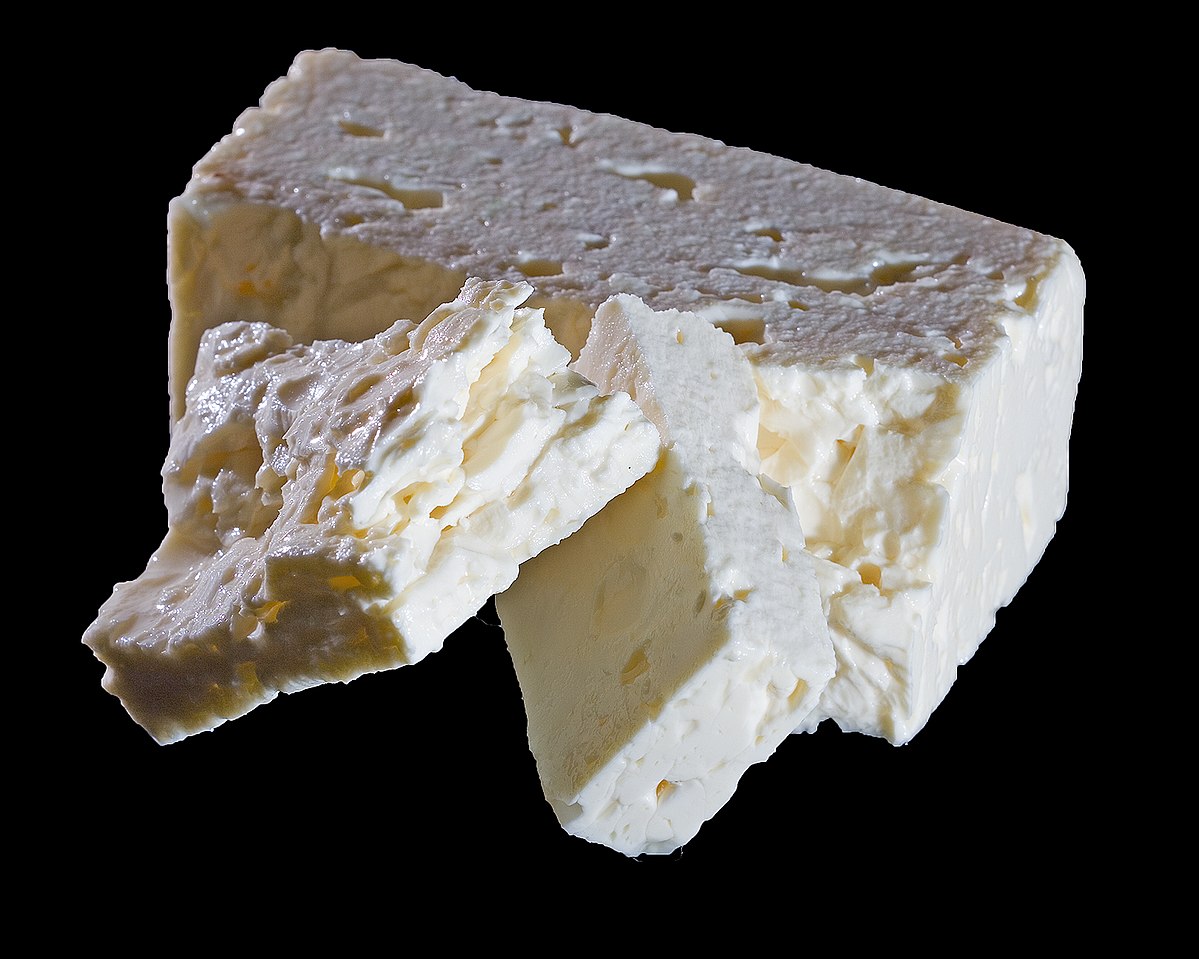
How Feta Cheese is Made
Feta cheese is a popular type of cheese that originates from Greece and is known for its tangy flavor and crumbly texture. The process of making feta cheese involves a combination of traditional methods and modern techniques to achieve its unique characteristics.
Milk Selection
The first step in making feta cheese is selecting high-quality milk, typically from sheep or a combination of sheep and goat. The milk must be fresh and not pasteurized to preserve the natural enzymes necessary for the cheese-making process.
Curd Formation
After the milk is heated and cultured with specific bacteria, rennet is added to form curds. The curds are then cut into small pieces to release the whey, a liquid by-product of cheese-making.
Draining and Pressing
The curds are transferred to molds and left to drain, allowing the whey to separate further. The cheese is then pressed to remove excess liquid and help form the characteristic block shape of feta cheese.
Salting and Aging
Once the cheese has been formed, it is salted to enhance the flavor and act as a preservative. The feta cheese is then aged in a brine solution for several weeks to develop its distinctive tangy taste and crumbly texture.
Storage and Packaging
After the aging process is complete, the feta cheese is removed from the brine, dried, and packaged for distribution. Feta cheese can be stored in brine or vacuum-sealed to maintain freshness and flavor.
Enjoying Feta Cheese
Feta cheese is a versatile ingredient that can be crumbled over salads, added to pastas, or served with olives and bread. Its tangy flavor and creamy texture make it a favorite in Mediterranean cuisine.











