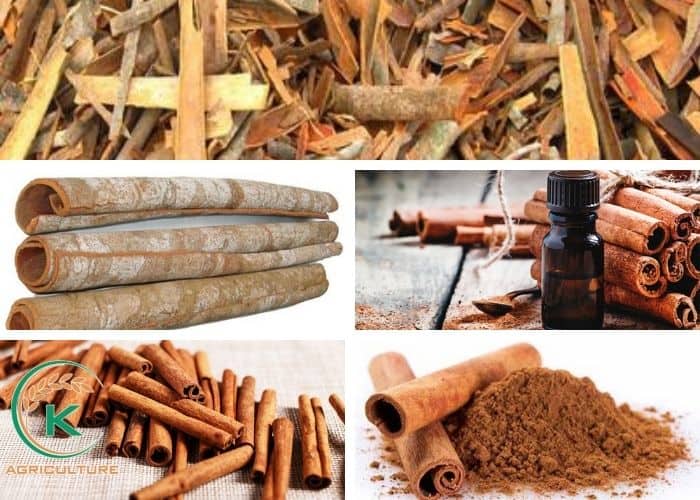
How Cinnamon is Made: A Detailed Process
Cinnamon is a popular spice known for its warm, sweet flavor and aromatic scent. The process of making cinnamon involves several steps that transform the bark of the cinnamon tree into the familiar spice used in cooking and baking around the world.
Harvesting Cinnamon Bark
Cinnamon comes from the inner bark of trees belonging to the genus Cinnamomum. The most common variety is Cinnamomum verum, also known as true or Ceylon cinnamon. Once the cinnamon trees reach maturity, typically after several years of growth, the outer bark is stripped away to reveal the inner bark that will become cinnamon.
Drying and Curing
After the cinnamon bark is harvested, it undergoes a drying process. The bark strips are placed in the sun or in drying rooms to remove excess moisture. This process helps to concentrate the flavor compounds within the bark. The bark is then cured, which involves rolling it into cinnamon sticks, known as quills, and allowing them to dry further.
Grinding and Packaging
Once the cinnamon quills are adequately dried, they are ground into the familiar powdered form. The grinding process releases the essential oils responsible for cinnamon’s distinctive flavor and aroma. Some cinnamon may be left in stick form for certain culinary uses. The ground cinnamon is then packaged for distribution to consumers.
Quality Control and Distribution
Quality control measures are taken to ensure that the cinnamon meets industry standards for flavor, aroma, and appearance. After passing inspection, the cinnamon is packaged in containers suitable for retail sale. Cinnamon is distributed to various markets, where it is used in a wide range of culinary applications and products.
Conclusion
In conclusion, the process of making cinnamon involves careful harvesting, drying, curing, grinding, and packaging to produce the beloved spice enjoyed by people worldwide. The rich flavor and aroma of cinnamon make it a staple in kitchens everywhere.
For more information on spices and culinary delights, visit the home page.











