Does Vinegar Kill E. coli?
When it comes to food safety and preventing the spread of harmful bacteria, the question of whether vinegar can effectively kill E. coli is of utmost importance. E. coli, short for Escherichia coli, is a type of bacteria that can cause severe foodborne illnesses when ingested.
Understanding Vinegar’s Properties
Vinegar is a commonly used household item that has been touted for its antimicrobial properties. It is primarily composed of acetic acid, which gives it its characteristic sour taste and strong odor. Acetic acid is known for its ability to inhibit the growth of certain bacteria, including E. coli.
Research on Vinegar’s Effectiveness Against E. coli
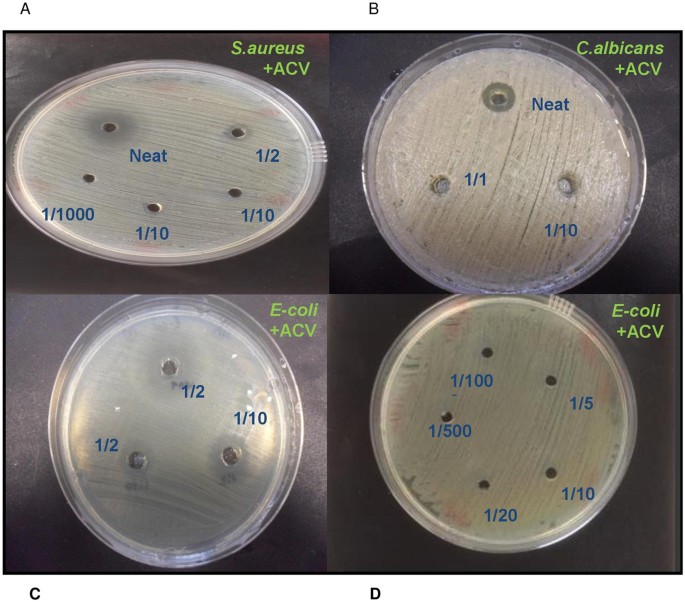
Several studies have explored the potential of vinegar as a natural disinfectant against E. coli. Research has shown that vinegar, particularly when combined with other cleaning agents or used in higher concentrations, can help reduce the presence of E. coli on surfaces and in food products.
Application of Vinegar for Cleaning
It is important to note that while vinegar can be effective in reducing E. coli, it may not completely eliminate all traces of the bacteria. Therefore, it is crucial to follow proper food safety guidelines, including using vinegar as a part of a comprehensive cleaning and sanitizing routine.
Precautions and Recommendations
- Use vinegar as a part of a multi-step cleaning process to enhance its effectiveness against E. coli.
- Ensure that the vinegar solution is applied correctly and allowed enough contact time to act on the bacteria.
- Consider using commercial disinfectants or sanitizers for high-risk areas or when dealing with known E. coli contamination.
Conclusion
While vinegar shows promise in combating E. coli due to its acetic acid content, it should be seen as a supplemental tool in maintaining cleanliness and preventing foodborne illnesses. To learn more about effective cleaning practices and food safety, visit Larrea Las Vegas.











