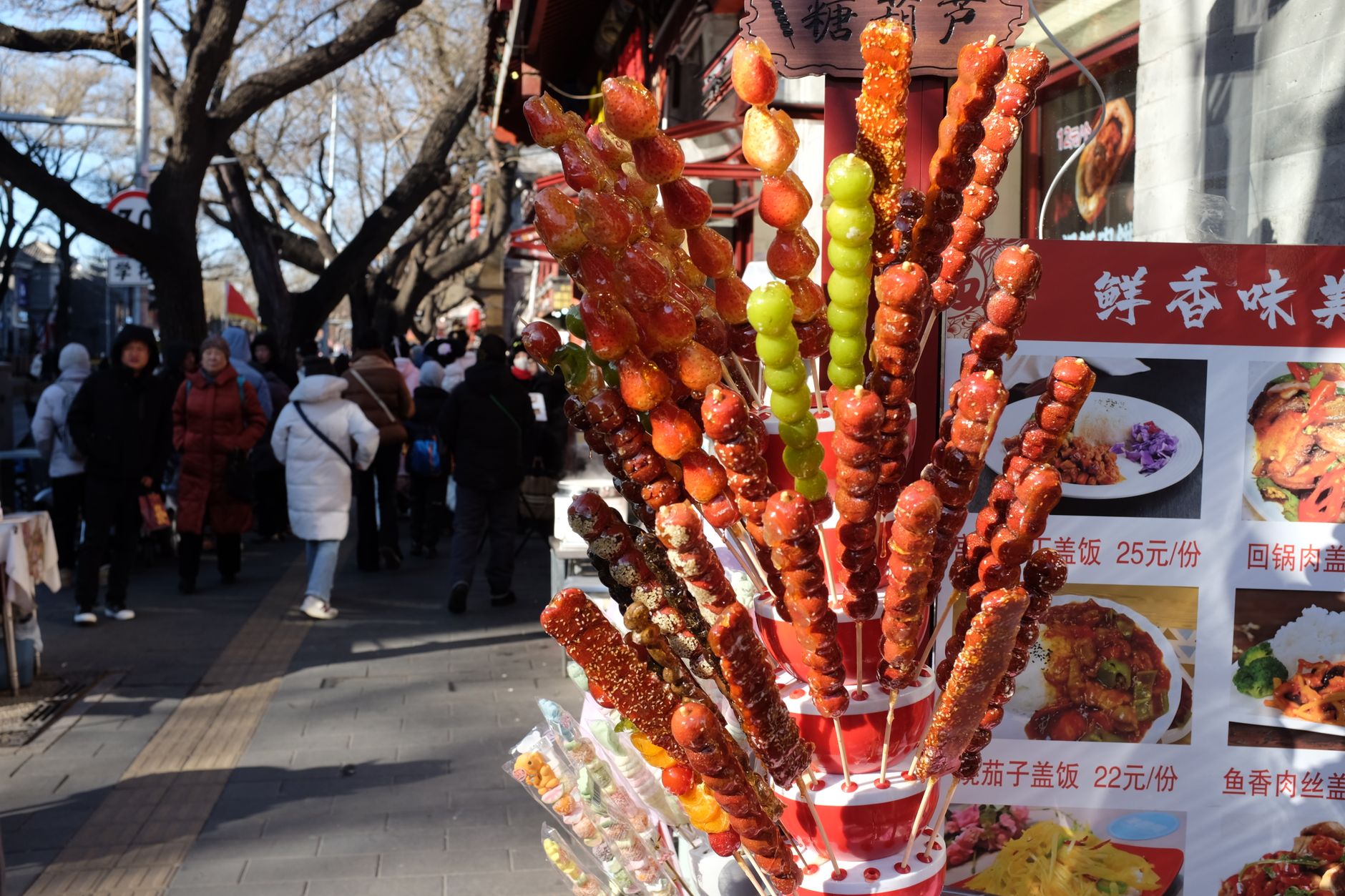
Watching a glossy, ruby-red strawberry transform into a treat with a loud, glass-like crunch is one of the most satisfying experiences in home candy making. Yet, too often, enthusiastic cooks end up with a sticky, soft syrup that slowly slides off the fruit and pools onto the parchment paper. To solve this common frustration, many home chefs turn to a quick dip in freezing water, but we wanted to test if this shortcut truly delivers on its promises.
Understanding the Ice Water Bath Hack
The basic premise of the ice water bath tanghulu hack is simple: after coating your fruit skewers in boiling hot sugar syrup, you immediately plunge them into a bowl filled with ice-cold water. Proponents of this method claim that the freezing water instantly solidifies the molten sugar, ensuring a crisp, glassy shell without the agonizing wait. But does ice bath work tanghulu makers’ wonders, or is it an unnecessary step that risks introducing moisture to a moisture-sensitive sweet?
To answer this, we must investigate how temperature dictates the physical state of sucrose. When we apply extreme cold to a boiling liquid, we bypass standard cooling times, but we also introduce new physical variables that can make or break your dessert.
The Science Behind Sugar Hardening
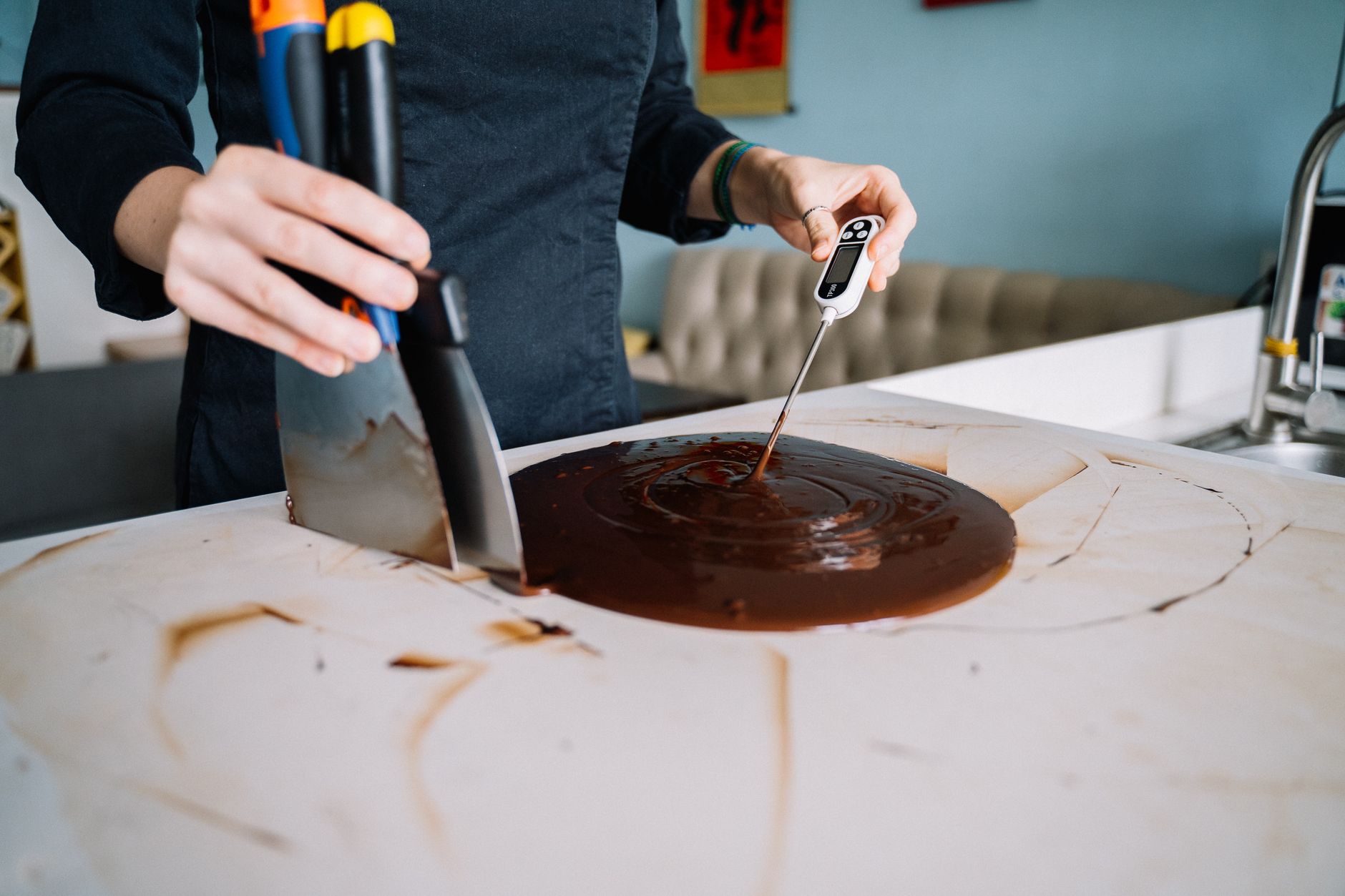
Making classic tanghulu relies entirely on sugar chemistry and the physical stages of sucrose concentration. When you dissolve white granulated sugar in water—typically using a ratio of 2 cups of sugar to 1 cup of water—and heat it, you are creating a concentrated sugar syrup. As the heat rises, the water evaporates, and the concentration of sugar increases.
To achieve the classic glass-like shatter, the sugar must reach the “hard-crack stage.” This chemical transition occurs strictly between 300°F and 310°F. At this exact point, the water content in your syrup drops to a mere 1%. If you dip your fruit at a lower temperature, say 270°F, the sugar will remain pliable, sticky, and bendable.
When you introduce hot sugar to an ice bath, you induce a rapid tanghulu temperature shock. This sudden plunge halts the cooking process immediately. More importantly, the shock forces the liquid sucrose molecules into an amorphous solid state (essentially a glass) before they can organize themselves into a crystalline, grainy structure. Slow cooling can sometimes allow microscopic sugar crystals to grow, resulting in a cloudy, grainy texture rather than a transparent, crisp glaze.

Does It Actually Work? (Testing Results)
To evaluate if the ice water bath tanghulu hack actually delivers a superior texture, we conducted a side-by-side controlled experiment. We used fresh, dry strawberries and grapes, prepping a syrup using 2 cups of sugar and 1 cup of water heated to exactly 302°F.
In the first group (traditional air drying), we dipped the fruit into the hot syrup, swirled it to remove any excess, and placed it on non-stick parchment paper at a room temperature of 72°F. The sugar took approximately 3 to 4 minutes to fully harden. The result was a beautifully glossy, transparent, and incredibly crunchy shell that shattered cleanly upon biting.
In the second group, we utilized the ice water bath tanghulu hack. Immediately after dipping the fruit in the 302°F syrup, we submerged the skewers into a bath of ice water (measured at 33°F) for exactly 2 seconds. The sugar solidified instantly, turning into a solid glass shell the moment it exited the water.
When comparing the two, both methods achieved the desired hard-crack texture. However, the ice bath group had a slightly thinner, more even coating because the instant solidification prevented the excess syrup from dripping down the sides of the fruit. This makes the ice bath highly effective for speed and aesthetic uniformity, though it does not make the sugar inherently harder than proper room-temperature cooling if your syrup reached 300°F.
Best Practices for Maximum Hardness
While the ice water bath tanghulu hack is incredibly convenient, it leaves very little room for error. The introduction of water to hot sugar is inherently risky because water acts as a solvent that can quickly dissolve your hard work. To achieve the best possible results without ruining your sugar glaze, follow these essential guidelines:
- Keep the fruit bone dry: Even a tiny drop of moisture on the surface of your grapes or strawberries will prevent the hot sugar from sticking. Dry your fruit with paper towels and let it sit at room temperature before dipping.
- Use a digital candy thermometer: Guessing the temperature by eye is the main reason tanghulu fails. Ensure the syrup reads between 300°F and 310°F before you dip a single piece of fruit.
- Keep the dip brief: Submerge the coated fruit in the ice water for no more than 2 to 3 seconds. A longer immersion will dissolve the sugar coating, leaving you with a sticky, diluted surface.
Alternative Hardening Techniques
When searching for the optimal tanghulu hardening method, home cooks often experiment with different thermal environments. Understanding these alternatives helps you choose the best technique for your kitchen setup:
One common approach is placing the dipped fruit directly into the refrigerator. While this seems logical, refrigerators are high-humidity environments. The moisture in the air quickly compromises the sugar shell, causing it to weep and turn sticky within minutes.
Another method is placing the skewers in the freezer. While this avoids the direct water contact of an ice bath, it lacks the immediate tanghulu temperature shock required to freeze the syrup instantly. This delay allows the hot syrup to continue dripping down the fruit, creating an uneven, thick pool of sugar at the bottom of the skewer. Thus, air drying and the ice water bath remain the top two most reliable methods.
Frequently Asked Questions
What temperature should the ice bath be?
The ice bath should be as cold as possible, ideally between 32°F and 35°F. You should fill a large bowl with plenty of ice cubes and just enough cold water to submerge the fruit skewers, ensuring the water remains near freezing to trigger immediate solidification.
How long should you hold tanghulu in ice water?
You should only hold the coated fruit in the ice water for 2 to 3 seconds. A quick dip is all it takes to freeze the outer layer of sugar; keeping it in the water any longer will dissolve the sugar and ruin the glossy texture.
Does this method work better than other hardening techniques?
The ice bath method is the fastest way to harden the sugar, but it does not make the shell harder than traditional room-temperature drying. If your sugar reaches the correct 300°F, it will harden beautifully on its own; the ice bath simply speeds up the process and prevents excess syrup runoff.
Can you use regular water instead of ice water?
No, you cannot use regular room-temperature water. Without the freezing temperature of ice water, the water will slowly dissolve the warm sugar instead of shocking it into a solid state, leaving you with a messy, melted syrup.
Conclusion
Ultimately, while the ice bath is not strictly necessary if you cook your sugar to the correct temperature, it is a highly reliable shortcut for achieving an instant, glassy crunch. Incorporating this quick cooling step into your routine will help you serve perfectly coated fruit with zero waiting time.











