Does Blending Cottage Cheese Remove the Grainy Texture for Healthy Recipes?
You love the nutritional benefits of cottage cheese – it’s packed with protein and calcium, making it a staple for healthy eating. But let’s be honest: the lumpy, often watery texture can be a major turn-off, relegating it to a side dish rather than a star ingredient. What if there was a simple trick to transform this curd-filled dairy product into a smooth, creamy base for a multitude of healthy and delicious recipes?
Understanding Cottage Cheese Texture
Cottage cheese gets its characteristic texture from the process of making it. Milk is curdled using an acid (like vinegar or lemon juice) or bacterial cultures, separating the milk solids (curds) from the liquid whey. These curds are then washed to remove excess acidity and often salted. The size of the curds can vary from small to large, influencing the overall mouthfeel. While some appreciate the distinct curds, many find the grainy, often slightly rubbery sensation unappealing, especially when trying to incorporate it into dishes where a `cottage cheese smooth texture` is desired. This texture challenge often prevents home cooks from exploring its full potential in `blended cottage cheese recipes`.
Can Blending Really Smooth It Out?
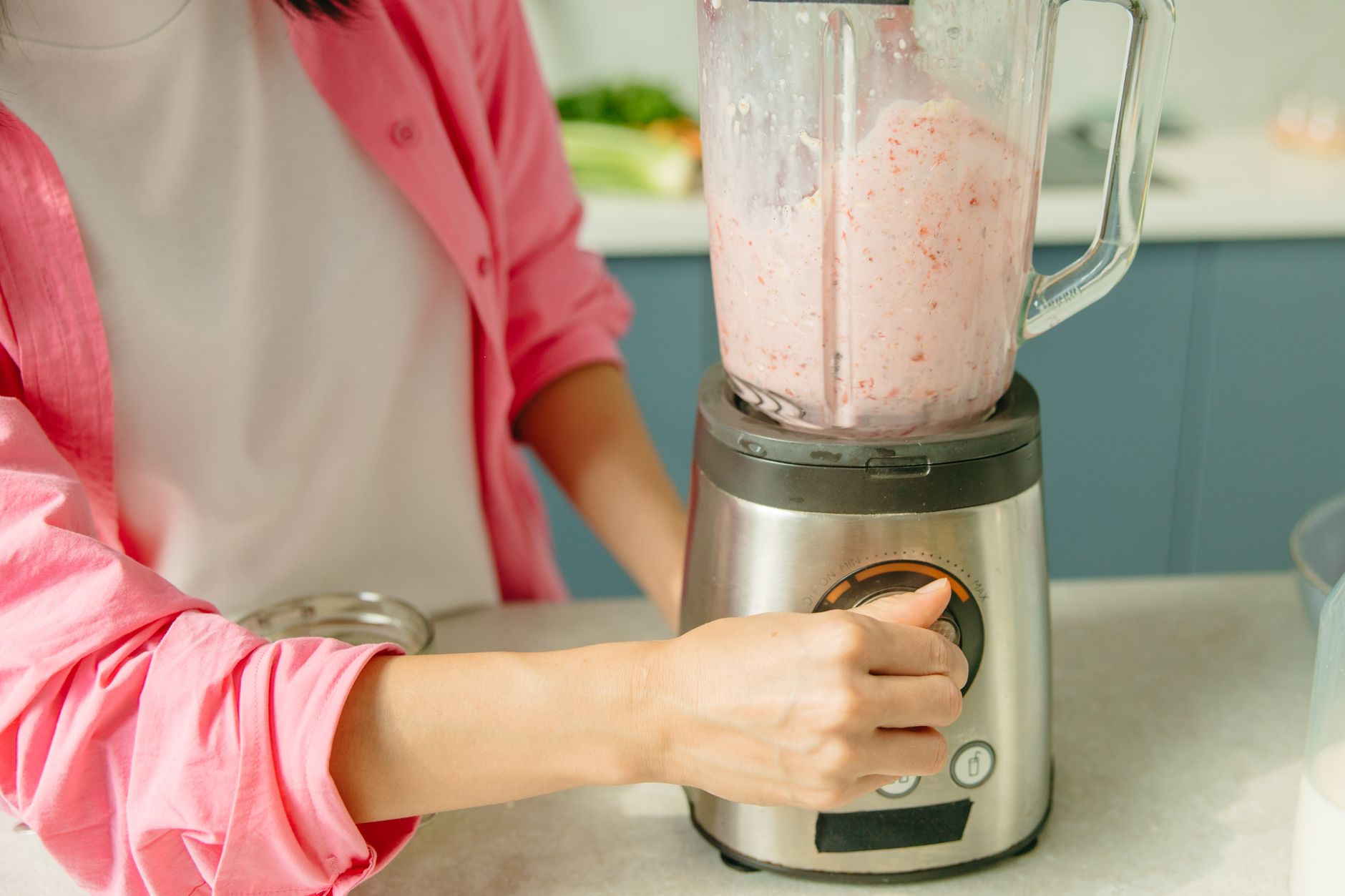
Yes, absolutely! Blending cottage cheese fundamentally changes its structure. The mechanical action of blender blades breaks down the protein curds into microscopic particles, effectively eliminating the lumps and creating a remarkably uniform and creamy consistency. It’s the kitchen hack you didn’t know you needed to unlock a world of new culinary possibilities with this protein powerhouse.
Before blending, cottage cheese typically presents as distinct white curds suspended in a translucent liquid (whey). The texture is undeniably chunky, and when eaten plain, you feel each individual curd. After blending properly, the transformation is dramatic. The liquid whey completely integrates into the solids, resulting in a thick, homogenous, and visibly smooth cream. The `blending cottage cheese texture` goes from granular to velvety, often resembling Greek yogurt, cream cheese, or even sour cream, depending on the brand and blending time. This newly achieved `cottage cheese consistency` is perfect for dishes that demand a refined and uniform base.
How to Blend Cottage Cheese Properly
Achieving that coveted `cottage cheese smooth texture` isn’t complicated, but a few steps can make all the difference:
1. **Start Cold:** Begin with cold cottage cheese straight from the refrigerator. This helps maintain its freshness and ensures optimal blending.
2. **Add to Blender:** Spoon your desired amount of cottage cheese into your blender or food processor.
3. **Consider a Splash of Liquid (Optional but Recommended):** While not strictly necessary for all cottage cheese types, adding 1-2 tablespoons of milk (dairy or non-dairy), water, or even a squeeze of lemon juice can aid in initial blending, especially for drier, thicker cottage cheese or if your blender struggles with very thick consistencies. This helps create a vortex and ensures all curds are processed.
4. **Start on Low, Increase Gradually:** Begin blending on a low setting for about 30 seconds to break down the larger curds, then gradually increase the speed to high.
5. **Scrape Down Sides:** Periodically stop the blender and use a spatula to scrape down any cottage cheese clinging to the sides of the container. This ensures all curds are incorporated and processed evenly.
6. **Blend for 1 to 3 Minutes:** The precise blending time will depend on your equipment and the desired smoothness. For a truly silky-smooth result, blend on high for at least 1-2 minutes, or even up to 3 minutes for an extra-fine texture, pausing to scrape down as needed. You’ll notice the texture visibly changing from lumpy to creamy.
7. **Check Consistency:** Once blended, taste and feel the texture. If you still detect any graininess, continue blending for another 30 seconds to 1 minute. The longer you blend, the finer the `blending cottage cheese texture` will become.
- **Pro Tip:** For an even richer and thicker blend, consider adding a spoonful of plain Greek yogurt or a small amount of cream cheese (1-2 ounces per cup of cottage cheese) before blending. This can enhance the creamy mouthfeel without significantly altering the flavor.
- **Pro Tip:** If your cottage cheese is on the drier side, a tablespoon of olive oil can also help create a smoother, more luscious texture and add healthy fats, particularly for savory applications.
Best Equipment and Tools
Your choice of equipment plays a significant role in how smooth your blended cottage cheese becomes:
* **High-Speed Blender (e.g., Vitamix, Blendtec):** These are the champions for achieving the smoothest, most velvety `cottage cheese consistency`. Their powerful motors and sharp blades can pulverize the curds in just 1-2 minutes, leaving no trace of graininess. If you’re serious about creating a truly unidentifiable texture, a high-speed blender is your best bet.
* **Immersion Blender:** Also known as a stick blender, this tool is excellent for smaller batches and offers convenience with less cleanup. While it might take a bit longer than a high-speed blender (2-4 minutes), an immersion blender can still produce a wonderfully `cottage cheese smooth texture`. Just ensure you have enough liquid or cottage cheese to cover the blade.
* **Food Processor:** A food processor can work, especially models with powerful motors. However, they may require more scraping down of the sides and might leave tiny specks of curd if not processed long enough or if the blade isn’t sharp. Expect a smooth result, but perhaps not as utterly silky as with a high-speed blender.
Recipes That Work Best with Blended Cottage Cheese
Once you master the `blending cottage cheese texture`, an array of delicious and healthy `blended cottage cheese recipes` open up:
* **Creamy Dips & Spreads:** Replace cream cheese or sour cream in dips like onion dip, spinach dip, or a healthier ranch dip. It makes a fantastic spread for bagels, toast, or crackers, offering a protein boost without the heavy fat content.
* **Smoothie Booster:** Add a scoop to your morning smoothie for a significant protein increase without altering the flavor or adding lumps. It creates a thicker, creamier smoothie.
* **Sauce Base:** Create healthier versions of creamy pasta sauces like “alfredo,” or use it as a base for white sauces for casseroles. It can also thicken and enrich tomato sauces.
* **Desserts:** Believe it or not, blended cottage cheese can be the secret ingredient in lighter cheesecakes, creamy fruit mousses, or even a healthier frosting for cakes and cupcakes. It can also be used to make a high-protein, low-fat “nice cream” when blended with frozen fruit.
* **Baked Goods:** Incorporate it into pancake or waffle batter for added moisture and protein, or use it in muffins and quick breads to create a softer crumb.
* **Savory Meals:** Use it as a base for creamy salad dressings, or even dollop it onto baked potatoes or chili as a healthier alternative to sour cream.
Frequently Asked Questions
Does blending cottage cheese completely remove graininess?
While “completely” is a strong word, blending cottage cheese very nearly eliminates all graininess, especially when using a high-speed blender and sufficient processing time. The `blending cottage cheese texture` transforms into a remarkably smooth, uniform cream that is virtually indistinguishable from other smooth dairy products like Greek yogurt or cream cheese. Any residual texture would be extremely fine and barely perceptible.
How long should you blend cottage cheese?
The ideal blending time for cottage cheese ranges from 1 to 3 minutes. For a good level of smoothness, 1-2 minutes on high speed is usually sufficient. If you’re aiming for an exceptionally silky and uniform `cottage cheese smooth texture`, blend for a full 3 minutes, pausing to scrape down the sides as needed. The duration also depends on the power of your blender and the initial curd size of the cottage cheese.
What’s the best tool to blend cottage cheese smoothly?
A high-speed blender (like a Vitamix or Blendtec) is the best tool for achieving the smoothest `cottage cheese consistency`. Its powerful motor and blade design efficiently break down curds into a velvety texture. An immersion blender is also an excellent option for smaller batches, offering a great balance of effectiveness and easy cleanup. A food processor can work, but may require more time and scraping to achieve comparable results.
Which cottage cheese brands blend the smoothest?
Brands with smaller curds and a slightly drier consistency tend to blend the smoothest. Look for brands that are known for their quality and often have a higher protein content. Some popular brands frequently recommended for their excellent `blending cottage cheese texture` results include Daisy, Friendship Dairies, and Good Culture. These brands generally have firmer curds and less excess whey, contributing to a denser, creamier end product once blended.
Conclusion
Don’t let the lumpy texture deter you from enjoying the incredible nutritional benefits of cottage cheese. With a simple blend, you can transform this humble dairy product into a smooth, versatile, and high-protein ingredient that will elevate your healthy recipes and satisfy your craving for creamy goodness.