Do You Eat Brie Rind?
When it comes to enjoying a delicious wheel of brie cheese, one common question that arises is whether or not to eat the rind. The rind of brie cheese is the outer layer that forms during the aging process, and its edible nature often sparks debate among cheese enthusiasts. Let’s delve into the facts and considerations surrounding eating brie rind.
What is Brie Rind?
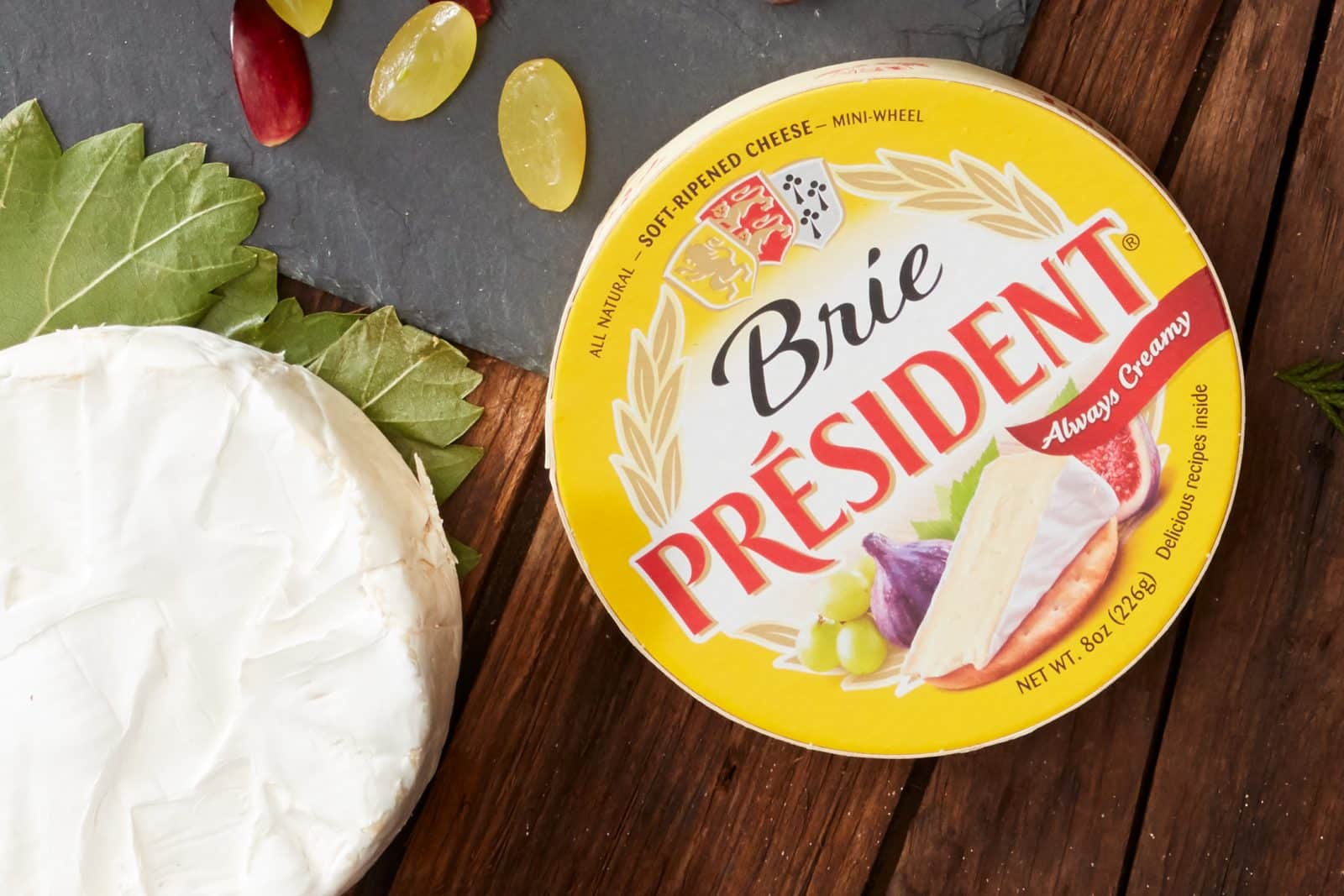
Brie cheese is a type of soft and creamy cheese that hails from France. The rind of brie is a thin layer that develops naturally during the maturation of the cheese. It is composed of a mixture of mold, yeast, and other microorganisms that contribute to the flavor and texture of the cheese.
To Eat or Not to Eat?
Whether or not you should eat the rind of brie cheese is largely a matter of personal preference. The rind is safe to consume and can offer additional flavors and textures to the overall cheese-eating experience. Some individuals enjoy the earthy and slightly nutty taste that the rind provides, while others prefer to only indulge in the creamy interior of the cheese.
Considerations
- Flavor: The brie rind can have a more intense and complex flavor profile compared to the interior of the cheese. If you appreciate these nuanced flavors, eating the rind can enhance your tasting experience.
- Texture: The rind adds a contrasting texture to the creamy cheese inside. Those who enjoy a mix of creamy and slightly firmer textures may find the rind appealing.
- Personal Preference: Ultimately, whether you eat the brie rind comes down to personal taste. Some people simply do not enjoy the taste or texture of the rind and may prefer to discard it.
Final Verdict
While there is no definitive answer to whether you should eat brie rind, the decision is yours to make based on your own preferences. Whether you choose to savor the entire wheel of brie, rind included, or opt to enjoy only the creamy center, the most important thing is to relish the experience of indulging in this delectable cheese.











