Do Americans Consume Enough Dairy?
When it comes to dietary choices and nutrition, one of the ongoing debates is whether Americans consume enough dairy products. Dairy has long been touted for its rich nutrient content, particularly calcium, protein, and vitamins essential for overall health. However, various factors influence dairy consumption patterns in the United States.
Current Dairy Consumption Trends
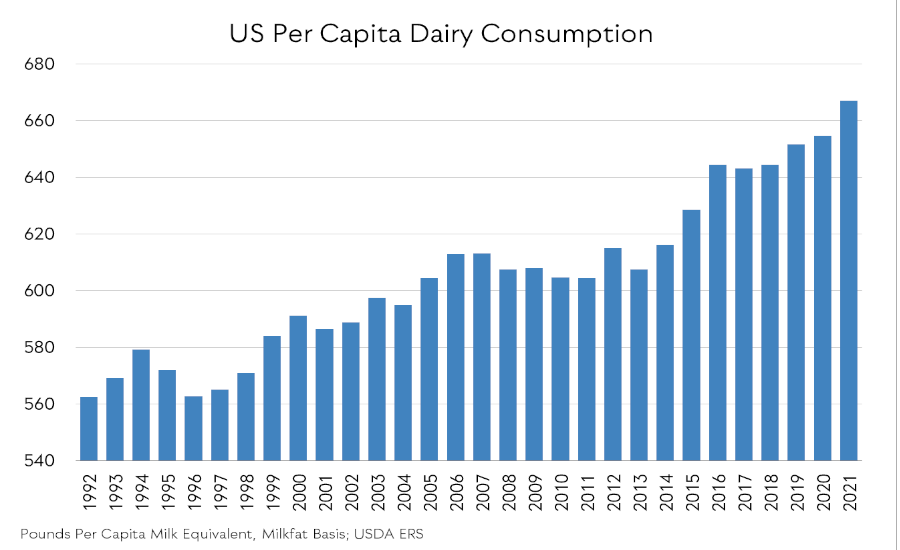
According to data from the United States Department of Agriculture (USDA), the average American consumes approximately 1.5 servings of dairy per day. This includes milk, cheese, yogurt, and other dairy products. While this may seem sufficient, it falls short of the recommended 3 servings per day for adults in the Dietary Guidelines for Americans.
Among different age groups, children and adolescents tend to consume more dairy products compared to adults. This could be attributed to school meal programs and parental influence on children’s diets. On the other hand, adults, especially older adults, often consume less dairy, which could lead to inadequate intake of essential nutrients present in dairy products.
Factors Influencing Dairy Consumption
Several factors contribute to the variation in dairy consumption among Americans. These include dietary preferences, lactose intolerance, cultural practices, and perceived health benefits of dairy products. Additionally, the rise of alternative milk products like almond milk, soy milk, and oat milk has impacted traditional dairy consumption patterns.
Another crucial factor is access to affordable and high-quality dairy products. In some regions, limited availability of fresh dairy products or lack of awareness about their nutritional benefits may hinder consumption. Furthermore, conflicting information about the health implications of dairy, such as concerns about saturated fats and lactose intolerance, can also influence consumer choices.
Health Implications of Inadequate Dairy Consumption
Inadequate consumption of dairy products can have implications for overall health and nutrition. Dairy products are a major source of calcium, which is essential for bone health and reducing the risk of osteoporosis. Moreover, dairy provides protein for muscle growth and repair, as well as vitamins like vitamin D that are crucial for various body functions.
By not meeting the recommended daily intake of dairy, individuals may be at risk of nutrient deficiencies that could lead to long-term health issues. Therefore, promoting adequate dairy consumption as part of a balanced diet is essential for maintaining optimal health and wellness.
Conclusion
While Americans consume a moderate amount of dairy on average, there is room for improvement to meet the recommended daily intake for optimal health. Educating the public about the nutritional benefits of dairy, addressing misconceptions, and ensuring accessibility to quality dairy products are key steps in promoting a balanced diet.
For more information on nutrition and healthy eating, visit Larrea Las Vegas.











