Intro
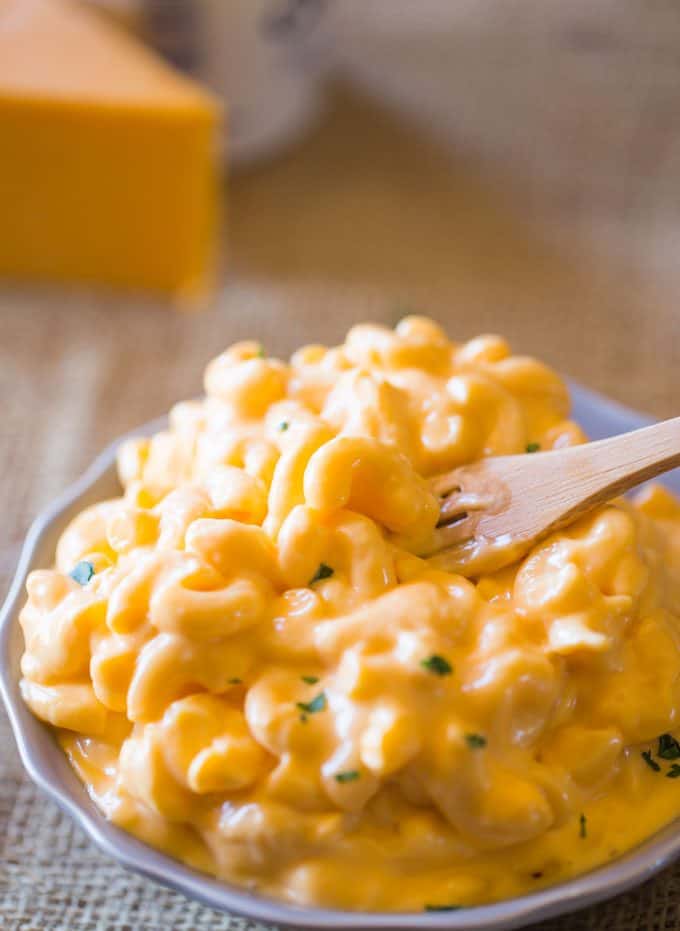
When it comes to comfort food, few dishes hit the spot quite like mac and cheese. But if you’re wondering how many carbs in mac and cheese, you’re not alone! This creamy delight is adored by many, but understanding its nutritional content can help you enjoy it guilt-free. In this guide, I’ll dive into the details, covering everything from caloric content to health considerations, providing you with the knowledge to indulge responsibly at Larrea.
Caloric Content

Let’s start with the essentials—caloric content. Typically, a serving of mac and cheese ranges from 300 to 400 calories. However, remember that this can change depending on the recipe. For example, a dish made with creamy cheddar cheese might pack more calories than one using a lighter cheese alternative. The secret sauce is often in the ingredients like heavy cream and butter, which enhance the flavor but also add to the calorie count.
– Typical Calories per Serving:
– Homemade mac and cheese: approximately 350 calories
– Restaurant-style versions: often higher, surpassing 500 calories
The dish’s creamy texture is wonderful, but it’s essential to keep an eye on serving sizes. That’s where moderation comes in, particularly for those watching their caloric intake.
Nutritional Breakdown

Taking a closer look at the nutritional breakdown is crucial. Mac and cheese isn’t just carbs; it’s a blend of macronutrients that can vary greatly based on how you prepare it.
Macronutrients
1. Carbohydrates: It’s high in carbs, usually coming in around 40 to 50 grams per serving. This largely results from the pasta.
2. Protein: The protein content ranges from 10 to 15 grams, depending on what kind of cheese you use and whether you add meat.
3. Fats: Expect about 15 to 25 grams of fat per serving, mainly from the cheese and any butter involved.
> Note: The nutritional value significantly varies with the different types of cheese and pasta used. For instance, using whole wheat pasta can add more fiber, while the choice of cheese affects the fat and protein content.
Breakdown of Different Ingredients
– Macaroni: Contains a high level of carbohydrates.
– Cheddar Cheese: Provides protein and fats but also contributes to saturated fat content.
– Milk and Cream: Add calcium but also calories.
Nutritional Table
| Ingredient | Calories | Carbohydrates | Protein | Fat |
|——————-|———|—————|———|——|
| Macaroni (1 cup) | 200 | 42g | 7g | 1g |
| Cheddar Cheese (1 oz) | 114 | 0g | 7g | 9g |
| Heavy Cream (1 oz)| 51 | 0g | 0g | 5g |
Vitamins and Minerals

Don’t forget about the vitamins and minerals that this dish offers. While mac and cheese isn’t typically seen as a health food, it does contribute some essential nutrients.
Key Vitamins
– Vitamin A: Thanks to the cheese, usually noticeably cheddar, which is rich in this vital vitamin.
– B Vitamins: Present in pasta, helping with energy metabolism.
Important Minerals
– Calcium: Cheese is a fantastic source of calcium, essential for bone health.
– Iron: While not abundant, pasta does provide some iron.
Health Considerations
We come to the health considerations of eating mac and cheese. While it’s delicious, moderation is key due to its relatively high saturated fat and sodium levels.
1. Saturated Fats and Sodium: Two critical factors to monitor—especially if you’re conscious about heart health.
2. Moderation and Alternatives:
– Consider making lighter versions using low-fat cheese and whole grain pasta. This can lower calories while still delivering a satisfying meal.
– Adding veggies like broccoli or spinach can enhance nutritional value and flavor.
> Just last week at Larrea, we offered a special mac and cheese dish featuring roasted vegetables that not only elevated the nutrient profile but also made for a delightful experience!
Serving Suggestions
So, how should you enjoy your mac and cheese? There are countless serving suggestions, whether you’re all about classic comfort or looking for something a bit fancier.
– Common Uses:
– Many enjoy it as a side dish, especially during family gatherings, while some see it as the main entrée.
– Popular Toppings:
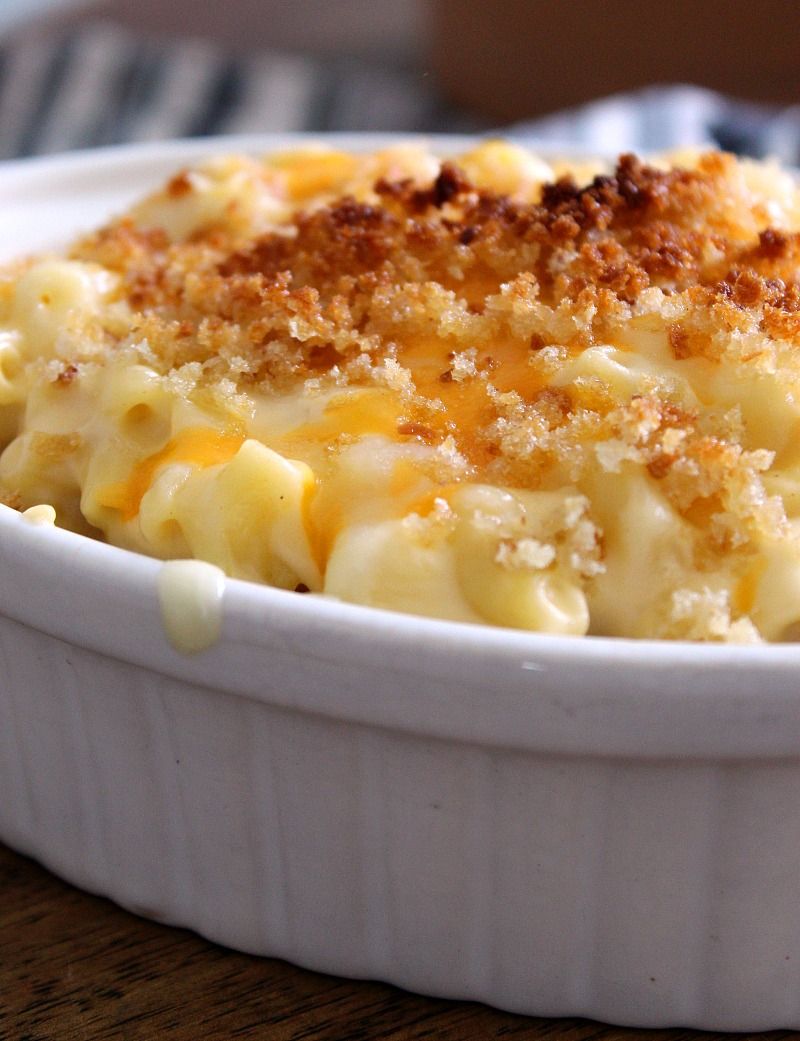
– Think crispy breadcrumbs, fresh herbs, or even a drizzle of truffle oil. These enhancements can elevate your mac and cheese to a whole new level!
Let’s not forget—mac and cheese pairs beautifully with our craft cocktails at Larrea. Why not make it a complete dining experience?
Conclusion
Mac and cheese remains a beloved comfort food for good reason. With a bit of knowledge about how many carbs in mac and cheese and its nutritional profile, you can enjoy this delicious dish without any guilt. I encourage you to dive deeper into our world of culinary delights, share your thoughts in the comments, or explore more of what Larrea has to offer. Check us out at larrealasvegas.com for more delicious recipes, tips, and foodie experiences!