Can You Eat Lionfish?
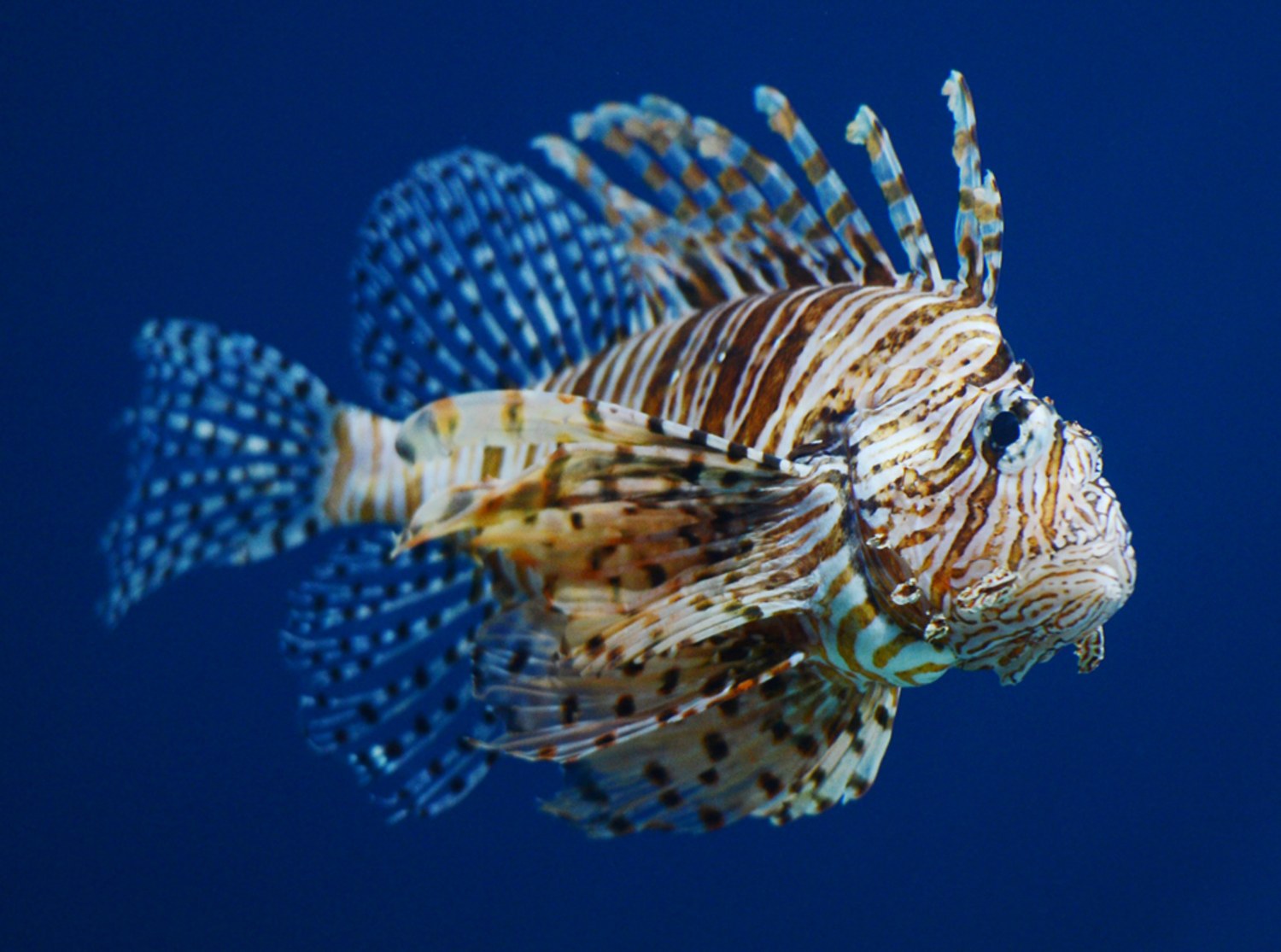
Lionfish, known for their vibrant colors and venomous spines, have become an invasive species in many parts of the world. Native to the Indo-Pacific region, they have caused ecological damage in the Atlantic Ocean and the Caribbean Sea. Despite their venomous spines, lionfish are edible, and consuming them has been promoted as a way to help control their population.
Is It Safe to Eat Lionfish?
Many people wonder if it is safe to eat lionfish due to their venomous spines. However, the venom is contained in the spines, which are typically removed before cooking. Once properly prepared, lionfish are considered safe to eat. They have a delicate, white flesh that is said to be similar in taste and texture to snapper or grouper.
Health Benefits of Eating Lionfish
Lionfish are a good source of lean protein and omega-3 fatty acids, making them a healthy choice for seafood lovers. Additionally, by consuming lionfish, you are helping to manage their population and protect the native marine ecosystems where they have become a threat.
Environmental Impact
The rapid spread of lionfish in non-native waters has led to concerns about their impact on local ecosystems. By promoting the consumption of lionfish, efforts are being made to reduce their numbers and mitigate the damage they cause to coral reefs and fish populations.
Cooking Lionfish
When cooking lionfish, it is important to handle them carefully to avoid getting stung by their spines. Lionfish can be prepared in various ways, including grilling, baking, or pan-searing. Their mild flavor makes them a versatile ingredient that can be used in a variety of dishes.
Conclusion
While lionfish may pose a threat to marine biodiversity, they can also be a sustainable seafood choice when prepared and consumed responsibly. By including lionfish in our diets, we can help protect the environment and support efforts to control their population. So next time you’re considering trying a new seafood dish, why not give lionfish a chance?
For more information on sustainable seafood options and conservation efforts, visit our website.