Introduction
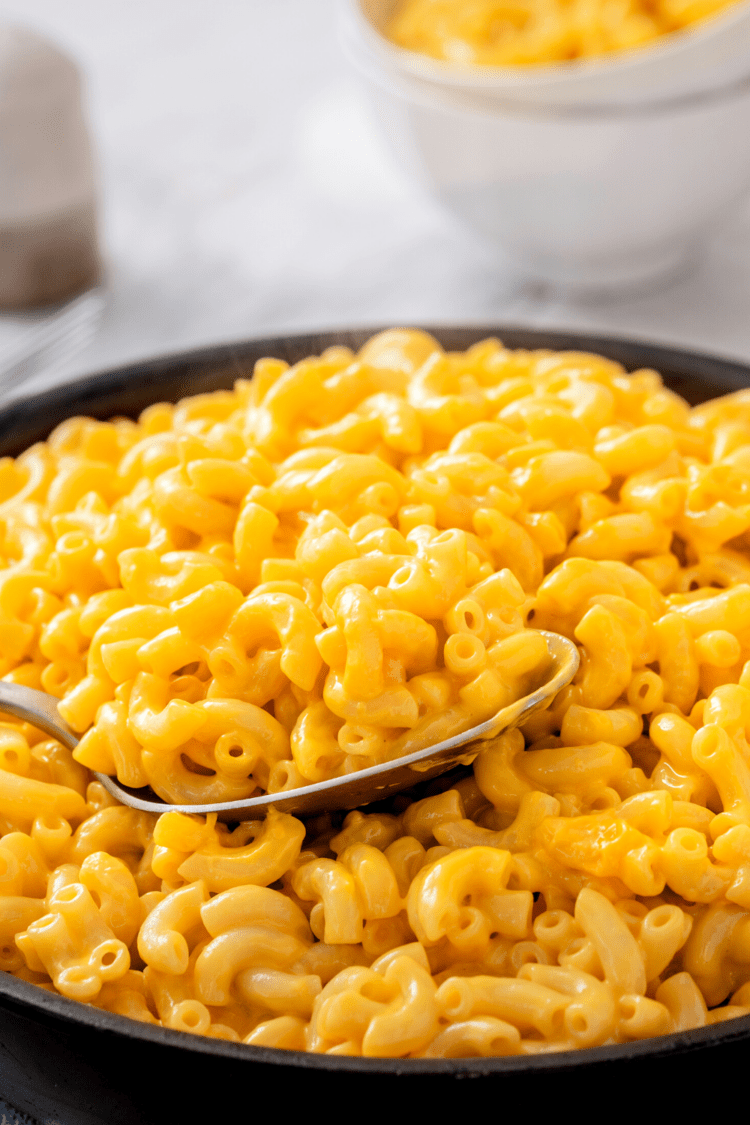
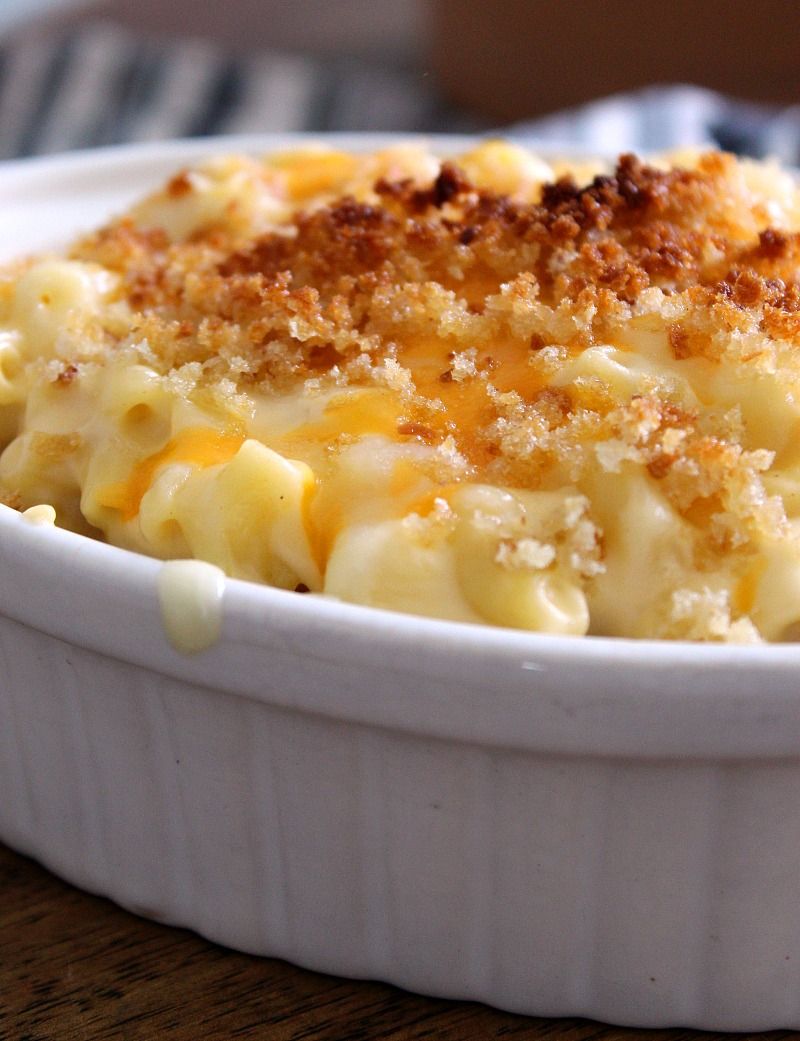
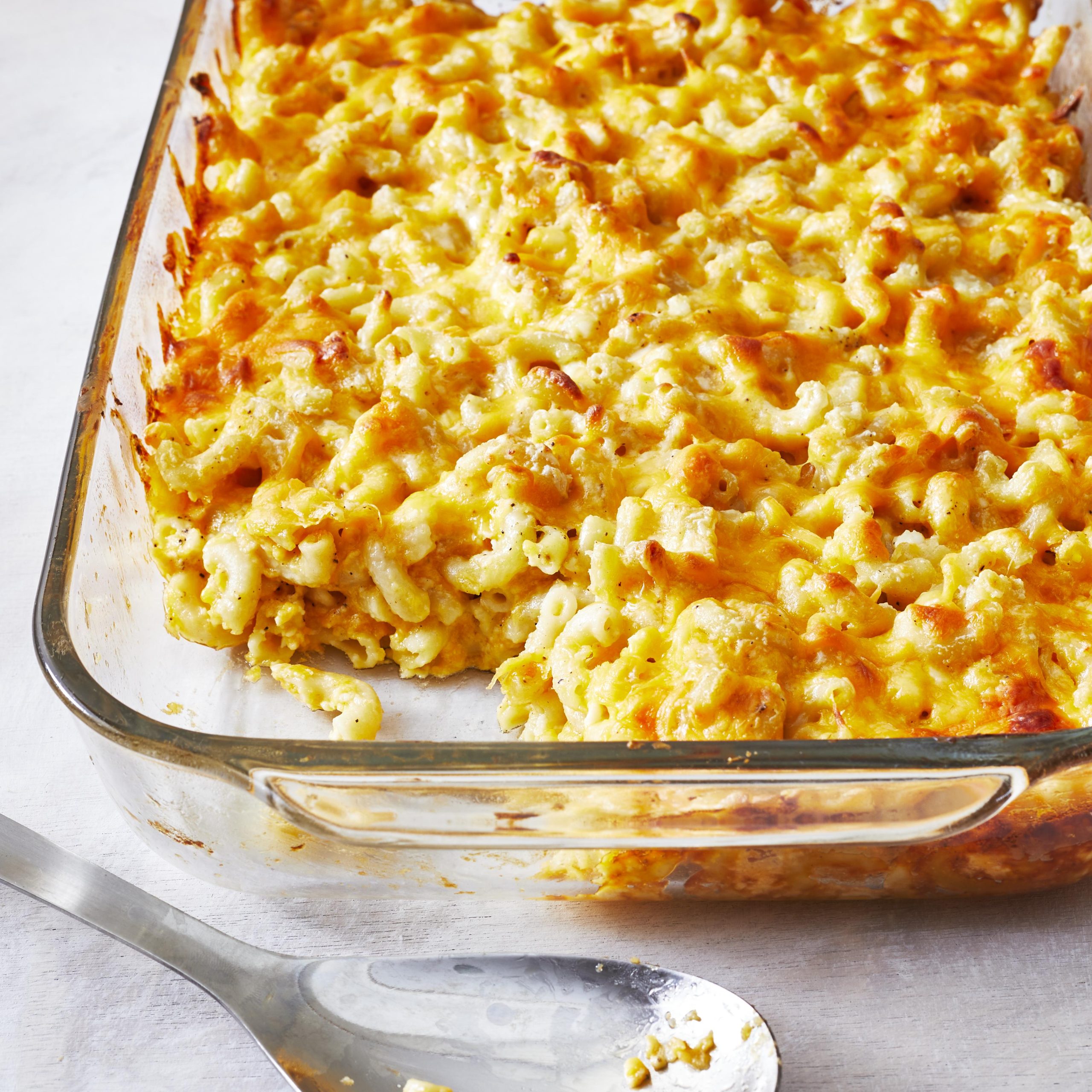
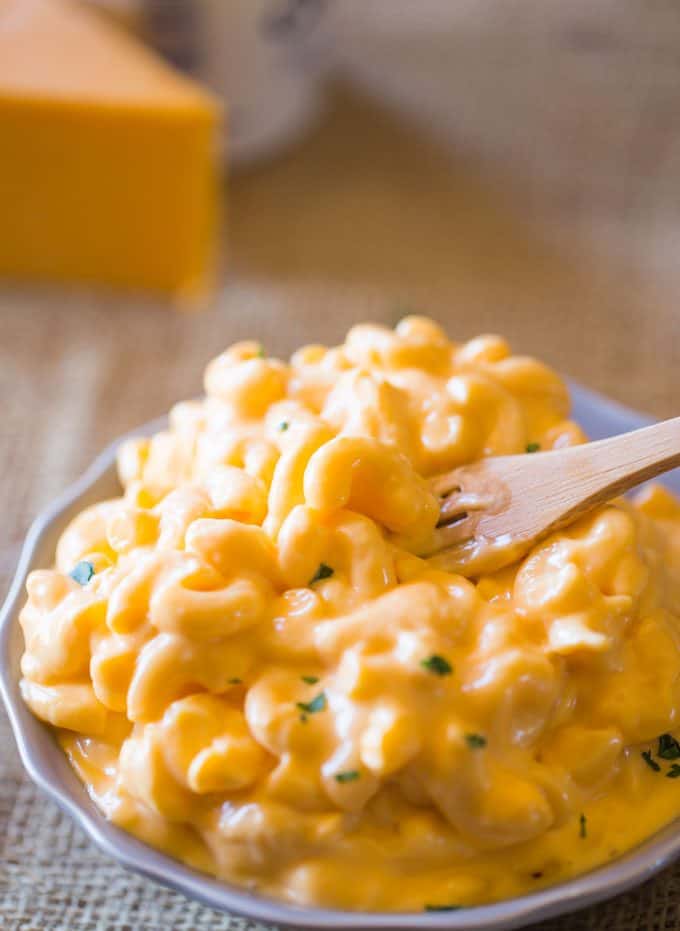
As a cat owner, you might have wondered, can cats eat mac and cheese? It’s a common query, especially when you’re enjoying your favorite comfort food, and your feline friend curiously eyes your plate. In this article, we’ll dive into the intricacies of feeding your cat mac and cheese, what’s safe, and what you might want to avoid. Let’s break it down with a focus on what cheese means for your feline and why human foods like mac and cheese can be tricky for their digestive systems.
Cheese and Cats

Cheese often finds its way into our homes as a tasty snack. But is it a safe option for our furry companions?
Cheese as a Non-Toxic Substance
You might be relieved to know that cheese is not toxic to cats. Yes, it’s true! However, just because something isn’t toxic doesn’t mean it’s good for them. Many cats actually love the taste of cheese, which might tempt you to share a bite. Still, caution is key when feeding this dairy delight to your feline friend.
Lactose Intolerance in Cats
Most adult cats are lactose intolerant. This means that while they might enjoy the taste of cheese, their digestive systems can’t properly process lactose, leading to unpleasant symptoms.
Symptoms of Lactose Intolerance
If your cat consumes cheese, watch for signs like:
– Vomiting
– Diarrhea
– Stomach cramps
These reactions often result from lactose breaking down improperly in their system. If you see any of these symptoms, it’s best to avoid giving your cat cheese in the future.
Mac and Cheese and Its Implications

You might think mac and cheese, that creamy, delicious dish, could be a fun treat for your kitty. But let’s explore why it might not be the brightest idea.
Nutritional Content of Mac and Cheese
While mac and cheese is a comfort food for people, its nutritional content does not align well with a cat’s dietary needs. Cats thrive on protein-rich diets and require specific nutrients that mac and cheese simply can’t provide.
Potential Health Risks for Cats
Feeding your cat mac and cheese can pose several health risks. Some of these include:
– Gastrointestinal issues: If your cat eats mac and cheese, you could quickly encounter some digestive distress within your furry friend.
– Lack of Necessary Nutrients: Your cat’s body may not receive the vital nutrients it needs because human food like mac and cheese lacks the balance that cat food provides.
As a rule of thumb, human foods don’t usually fulfill your cat’s dietary requirements.
User Experiences

Real-life experiences can shed light on the subject. For instance, I recently came across a story on Reddit where a user left a bowl of Heinz mac and cheese out. Their cat seemed intrigued and took a few bites. While they found it amusing, it raised questions among other users about whether it was safe for the feline.
Observations from Reddit User
The user shared their cat’s interest in the dish, but responses varied. Some maintained that while it might be tempting, it’s essential to steer clear of giving your feline such treats.
Responses from the Community
The general consensus among those who chimed in was caution. Many pointed out that the ingredients in mac and cheese could lead to digestive problems for cats, reinforcing the belief that not all human foods are suitable for our pets.
Expert Opinions
Seeking out veterinary advice is always a wise move when it comes to your pet’s health.
Advice from Veterinarians
Veterinarians typically recommend avoiding mac and cheese and cheese altogether for cats. Since many cats struggle with lactose and may experience adverse effects, sticking to pet-centric snacks is always the better option.
Recommended Alternatives
Instead of reaching for the mac and cheese, consider cat-friendly treats, such as:
– Cooked chicken or turkey
– Fish (but in moderation)
– Commercially available cat treats that are specially formulated for their dietary needs
When it comes to feeding your cat, these options ensure they are not only safe but enjoy their meal!
Conclusion
In summary, while it might be tempting to share your mac and cheese with your beloved cat, it isn’t a good idea. Mac and cheese can lead to gastrointestinal issues for cats, primarily due to their lactose intolerance. As loving pet owners, we want to keep our furry companions happy and healthy, so sticking to proper cat food and treats is crucial. If you have experiences to share or questions on this topic, I invite you to leave your comments or read more on our website larrealasvegas.com.