Every May 28th, drive-thrus wrap around the block with people chasing discounted, paper-wrapped fast-food burgers. Yet, the finest way to honor this culinary holiday is in your own backyard, where you control the quality of the beef, the level of char, and the complexity of the toppings. Crafting your own National Burger Day recipes at home allows you to elevate a humble staple into a standout dining experience.
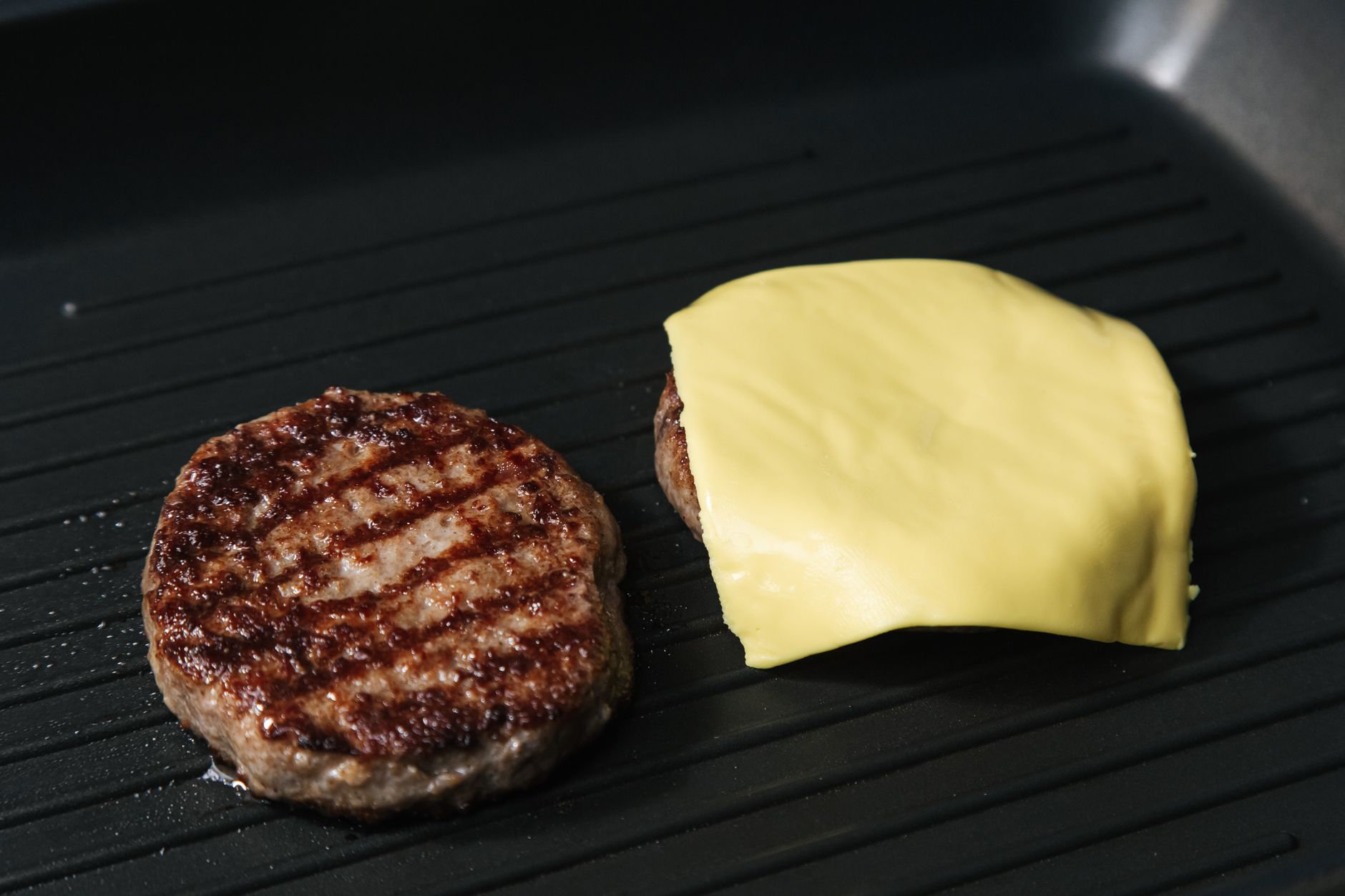
The Science of Building a Better Burger Patty
A great burger starts long before the meat hits the grates. While it is tempting to focus entirely on the toppings, the foundation of any memorable burger lies in how you handle and prepare your homemade burger patties.
To achieve a juicy interior with a deeply caramelized crust, you must pay attention to meat selection and handling. Ground chuck with an 80/20 lean-to-fat ratio is the industry standard for a reason. The 20% fat content melts during cooking, self-basting the meat and keeping it moist even over the high heat of live coals.
When shaping your patties, handle the meat as little as possible. Overworking ground beef compresses the grind, melting the fat prematurely and yielding a dense, rubbery texture. Gently form 6-ounce portions into round disks about three-quarters of an inch thick. Make sure the patties are slightly wider than your burger buns, as the meat will contract during cooking. Finally, use your thumb to press a shallow, half-inch indentation into the center of each patty. This simple physical modification prevents the burger from puffing up into a dome on the grill, ensuring an even, flat surface for your toppings.
Three Burger Recipes Worth Grilling
When planning your National Burger Day recipes, moving beyond basic salt-and-pepper ground beef opens up a world of culinary possibilities. Here are three distinct burger recipes for grilling that showcase different flavor profiles and techniques.
1. The Upgraded Backyard Classic
This recipe refines the traditional American burger by focusing on ingredient quality and simple, classic pairings. It relies on a high-quality chuck patty topped with sharp cheese and a balanced, savory house sauce.
- The Patty: 6 ounces of 80/20 ground chuck, seasoned generously on the outside with coarse kosher salt and cracked black pepper.
- The Cheese: Two thin slices of sharp yellow cheddar, melted completely.
- The Toppings: Crisp heirloom tomato slices, shredded iceberg lettuce, and thinly sliced red onion soaked in cold water for ten minutes to remove the harsh bite.
- The Sauce: Combine 1/2 cup of mayonnaise, 2 tablespoons of yellow mustard, 1 tablespoon of sweet pickle relish, a splash of white vinegar, and a pinch of garlic powder.
- The Bun: A lightly toasted brioche bun swiped with melted butter.
2. The Bistro Short Rib and Brisket Blend
For those looking to explore specialty blends, this recipe features rich, savory flavors reminiscent of a high-end steakhouse. It pairs a custom beef blend with earthy cheese and sweet, caramelized onions.
- The Patty: A custom grind featuring equal parts beef brisket, short rib, and chuck. This blend provides a deep, buttery beef flavor.
- The Cheese: Creamy, nutty Gruyère or Swiss cheese.
- The Toppings: Caramelized onions cooked slowly in butter and a splash of sherry vinegar, paired with fresh, peppery baby arugula.
- The Sauce: Truffle mayonnaise, made by whisking 1 teaspoon of black truffle oil into 1/2 cup of high-quality mayonnaise with a squeeze of fresh lemon juice.
- The Bun: A sturdy, toasted potato roll that can stand up to the rich juices of the custom blend.
3. The Sweet and Smoky Chipotle-Glazed Burger
This variation focuses on bold, contrasting flavors, using a spicy glaze and bright, acidic toppings to cut through the richness of the beef.
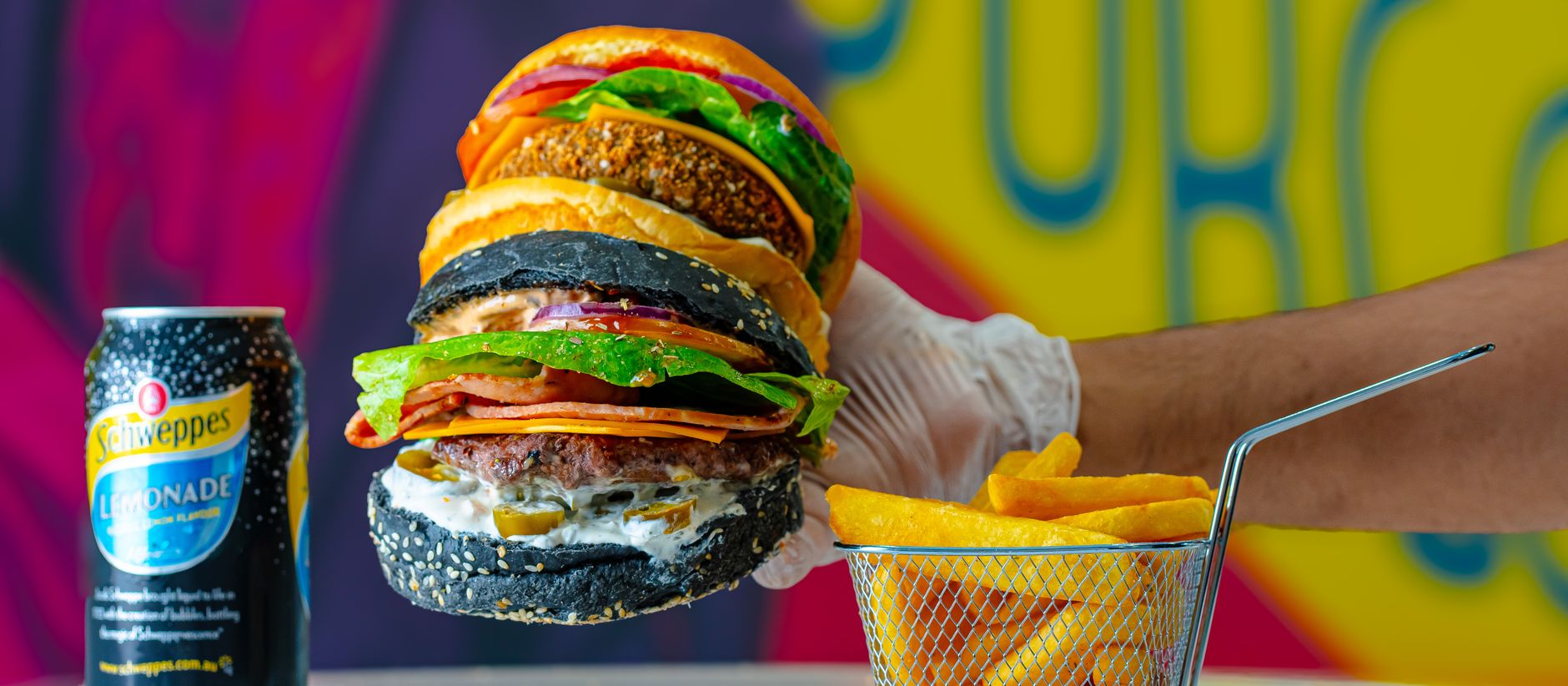
- The Patty: 6 ounces of ground chuck, seasoned with salt, cumin, and smoked paprika.
- The Cheese: Spicy Pepper Jack, melted over the patty during the last minute of grilling.
- The Toppings: Crispy bacon strips, grilled pickled jalapeño slices, and fresh cilantro leaves.
- The Sauce: A sweet-and-smoky glaze made by mixing 1/4 cup of honey with 2 tablespoons of adobo sauce from a can of chipotle peppers. Brush this glaze onto the patty during the final 30 seconds of cooking.
- The Bun: A toasted sweet Hawaiian bun to balance the heat of the chipotles.
Grilling Technique for Restaurant-Quality Results
To do justice to your carefully crafted homemade burger patties, you must execute the cooking process with precision. Whether you are using charcoal or gas, set up a two-zone cooking environment: one side of the grill should be screaming hot for searing, while the other side remains cooler to allow for gentle, indirect cooking if the exterior browns too quickly.
Aim for a grate temperature between 450°F and 500°F. Clean the grates thoroughly with a grill brush and lightly oil them using a folded paper towel dipped in canola oil. This prevents sticking and helps create those distinct, professional grill marks.
To ensure your burgers are cooked to your exact preference, use a digital instant-read thermometer inserted into the thickest part of the patty. Refer to this temperature guide for precise doneness:
- Medium-Rare: Pull at 130°F to 135°F
- Medium: Pull at 140°F to 145°F
- Medium-Well: Pull at 150°F to 155°F
- Well-Done: Pull at 160°F (The USDA recommended safe temperature for ground beef)
For the best results, incorporate these professional grilling practices into your cooking routine:
- Keep the meat cold: Keep the shaped patties in the refrigerator until the exact moment they go onto the grill. Cold fat holds its structure better, ensuring a juicier finished product.
- Resist the urge to press: Never press down on the patties with a spatula while they are on the grates. This squeezes out the flavorful juices, resulting in dry meat and flare-ups.
- Rest the meat: Allow your burgers to rest on a warm plate for 5 minutes after removing them from the heat. This allows the internal muscle fibers to relax and redistribute the juices throughout the patty.
Frequently Asked Questions
What’s the best ground beef ratio for juicy burgers?
The optimal ratio for juicy, flavorful burgers is 80% lean meat to 20% fat, commonly sold as ground chuck. Leaner grinds, such as 90/10 or 93/7, do not contain enough fat to remain moist over the dry heat of a grill, often resulting in dry, crumbly patties.
How do you keep burger patties from shrinking on the grill?
Patties naturally shrink as the proteins tighten and release moisture. To minimize this, shape your patties about an inch wider than the buns and press a shallow indentation into the center of each patty before cooking. This helps the burger maintain a flat, even shape rather than puffing up in the middle.
Should you season burgers before or after cooking?
You should season the outside of your patties generously with salt and pepper immediately before they go onto the grill. Do not mix salt directly into the ground beef while shaping the patties; salt draws out moisture and dissolves proteins, which can turn your light, tender burgers into dense, sausage-like disks.
What temperature should burger patties reach?
For food safety, the USDA recommends cooking ground beef to an internal temperature of 160°F. If you prefer your burgers medium-rare or medium, pull them from the heat 5 degrees below your target temperature (around 130°F for medium-rare), as carryover cooking will continue to raise the internal temperature as the meat rests.
Conclusion
With a few simple shifts in technique and some creative burger toppings ideas, your next backyard gathering can easily rival the best burger spots in town. Fire up the grill this May 28th and make these elevated homemade burgers a new holiday tradition.











