Are Puffer Fish Poisonous?
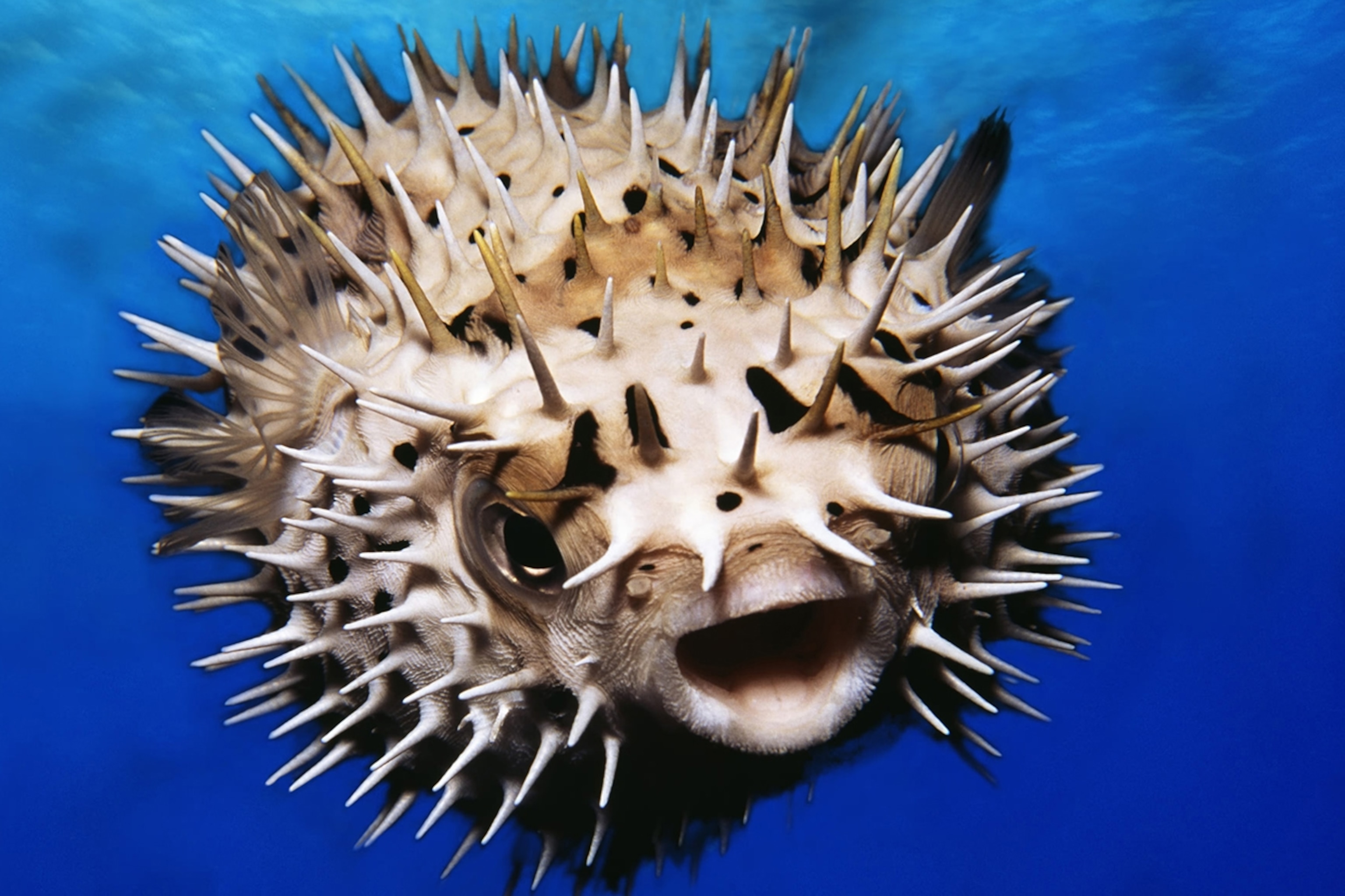
Puffer fish, also known as blowfish or fugu in Japan, are intriguing creatures with a reputation for being both fascinating and dangerous. These unique fish are known for their ability to inflate into spiky balloon-like shapes as a defense mechanism against predators. However, one of the most notable characteristics of puffer fish is the potent toxin they carry.
Types of Puffer Fish Toxins
Not all puffer fish species are toxic, but those that are contain a powerful neurotoxin called tetrodotoxin. This toxin is found primarily in the fish’s internal organs, such as the liver and ovaries, as well as the skin of some species. Tetrodotoxin is a potent poison that can be deadly even in small quantities.
Effects of Puffer Fish Poisoning
Consumption of puffer fish containing tetrodotoxin can lead to symptoms such as numbness, tingling, dizziness, and in severe cases, paralysis and respiratory failure. There is no known antidote for puffer fish poisoning, and treatment involves supportive care to manage symptoms until the toxin is eliminated from the body.
Regulation and Precautions
Due to the risks associated with consuming puffer fish, the preparation and serving of fugu are strictly regulated in Japan and other countries where it is consumed. Only licensed, specially trained chefs are permitted to prepare fugu, ensuring that the toxic parts are removed properly to minimize the risk of poisoning.
Conclusion
While puffer fish are undoubtedly fascinating creatures, it is crucial to respect their toxicity and exercise caution when dealing with them, especially when it comes to consumption. Always ensure that any puffer fish dish is prepared by a skilled professional to prevent accidental poisoning.
For more information, visit the home page.











