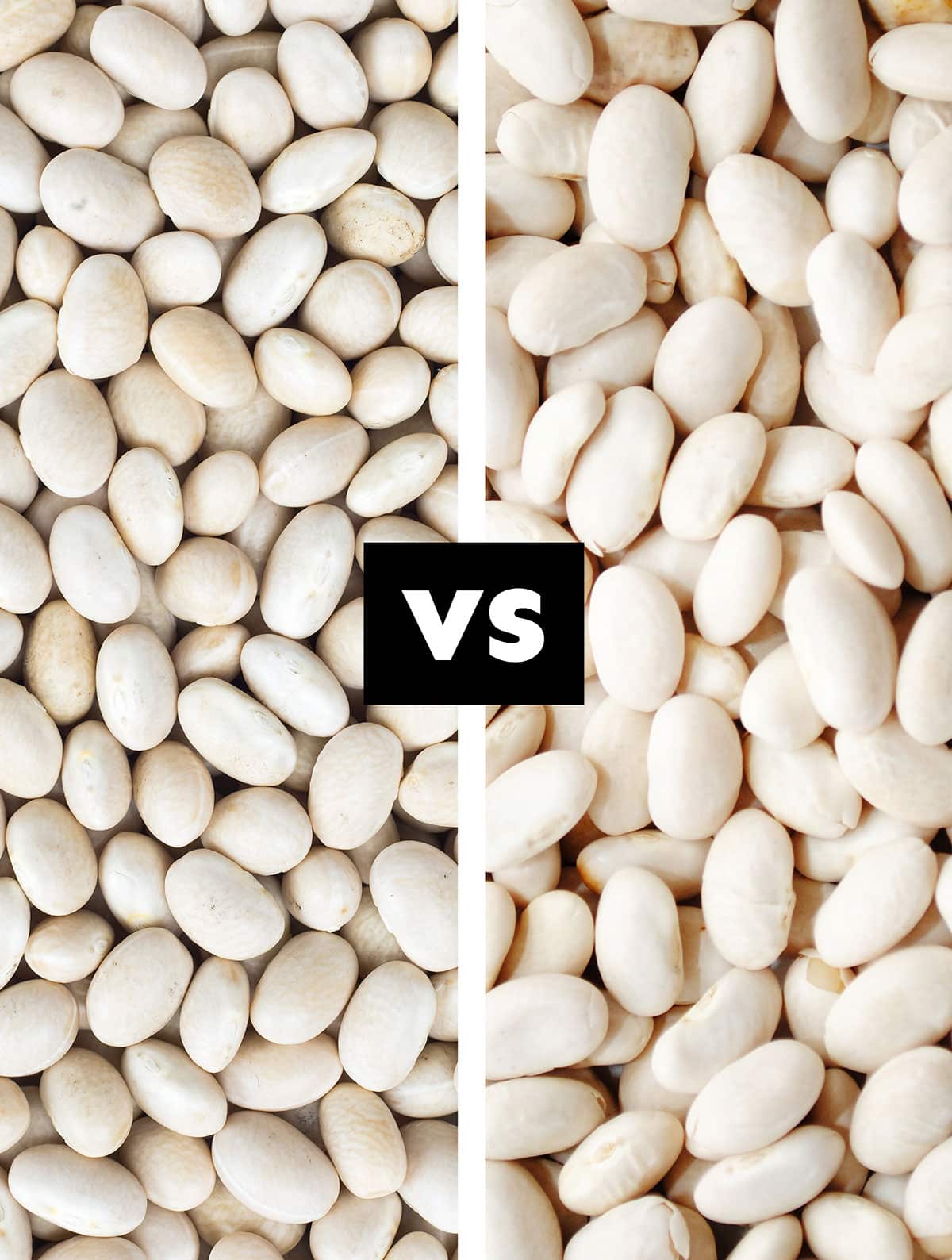
Are Navy Beans and Northern Beans the Same?
When it comes to beans, there are countless varieties available, each with its own unique flavor, texture, and culinary uses. Navy beans and northern beans are two such beans that are often confused for each other due to their similar appearance and taste. However, despite their similarities, navy beans and northern beans are actually distinct types of beans with subtle differences.
Navy Beans
Navy beans, also known as haricot beans or pea beans, are small, oval-shaped beans with a mild flavor and creamy texture. They are commonly used in dishes like baked beans, soups, and stews. Navy beans are rich in fiber, protein, and various nutrients, making them a healthy addition to your diet. These beans are a staple in American cuisine and are often associated with comfort food classics.
Northern Beans
On the other hand, northern beans, also known as great northern beans, are slightly larger than navy beans and have a nuttier flavor and firmer texture. These beans are popular in Italian, French, and Mediterranean cuisines and are often used in dishes like cassoulet, salads, and pasta. Northern beans are a good source of plant-based protein, vitamins, and minerals, making them a nutritious choice for vegetarian and vegan diets.
Key Differences
- Navy beans are smaller and have a creamier texture, while northern beans are larger and have a nuttier flavor.
- Navy beans are commonly used in American dishes, whereas northern beans are more prevalent in European recipes.
- Navy beans cook faster than northern beans due to their smaller size and softer texture.
- Both beans are nutritious and versatile, offering a range of health benefits when incorporated into a balanced diet.
Conclusion
While navy beans and northern beans share some similarities, such as being white beans with a mild taste, they are distinct varieties with their own unique characteristics. Whether you choose to cook with navy beans or northern beans depends on your personal preference and the specific dish you are preparing. Experiment with both types of beans to discover which one you prefer in different recipes and cuisines.
For more information on beans and other culinary topics, visit our homepage.











