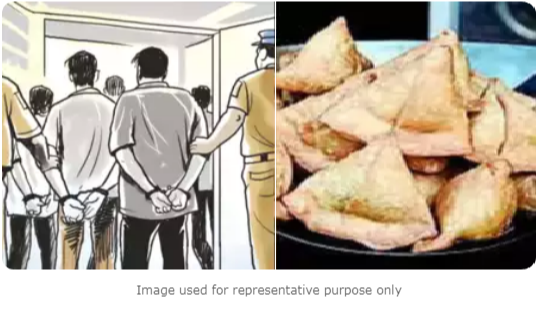
Are Beef Samosas Rude to Indian People?
Beef samosas are a popular snack enjoyed by many around the world. However, in the context of Indian culture and traditions, the question arises – are beef samosas considered rude or offensive to Indian people? Let’s delve into this topic and explore various perspectives to understand the sensitivity surrounding this issue.
Understanding the Significance of Samosas in Indian Cuisine
Samosas are a beloved snack in Indian cuisine. These triangular pastries are typically filled with a variety of ingredients such as spiced potatoes, peas, lentils, and sometimes minced meat such as chicken or lamb. Samosas hold cultural significance in India and are commonly enjoyed during festivities, celebrations, and as everyday snacks.
Beef Consumption and Cultural Sensitivities in India
India has a diverse population with people following various religions and dietary preferences. Beef consumption is a sensitive topic in India due to cultural and religious beliefs. The cow is considered sacred in Hinduism, the largest religion in India, and many states in the country have laws restricting or banning the slaughter and consumption of beef.
The Controversy Surrounding Beef Samosas
Given the cultural and religious sentiments attached to beef consumption in India, the idea of beef samosas can be controversial for some individuals. While beef samosas may be a common and accepted variation in other parts of the world, their presence in Indian contexts can potentially offend individuals who adhere to dietary restrictions or cultural beliefs that prohibit beef consumption.
Respect and Cultural Sensitivity
When it comes to food choices, it is important to recognize and respect the cultural sensitivities of different communities. To avoid causing offense, individuals and businesses should be mindful of the ingredients they use in traditional dishes, especially when catering to diverse populations with varying beliefs and practices.
Conclusion
In conclusion, the question of whether beef samosas are rude to Indian people is subjective and depends on individual perspectives. While some may not have an issue with beef samosas, others may find them insensitive or disrespectful. It is essential to approach food choices with cultural sensitivity and a deep understanding of the nuances that shape culinary practices in different regions.
If you are interested in exploring authentic Indian cuisine and experiencing the rich culinary traditions of the country, visit Larrea Las Vegas for a taste of India’s diverse and flavorful offerings.











