Are All Pumpkins Edible?
As the autumn season approaches, pumpkins start adorning doorsteps and tabletops, serving as a symbol of the harvest season. While pumpkins are commonly used for decorative purposes, many people wonder if all pumpkins are edible. Let’s explore this topic further to determine the edible qualities of pumpkins.
Types of Pumpkins
There are numerous varieties of pumpkins, ranging from small sugar pumpkins to large carving pumpkins. While pumpkin varieties differ in size, shape, and color, most of them belong to the same species, Cucurbita pepo. This species includes both decorative pumpkins and those cultivated specifically for culinary use.
Edible vs. Inedible Pumpkins
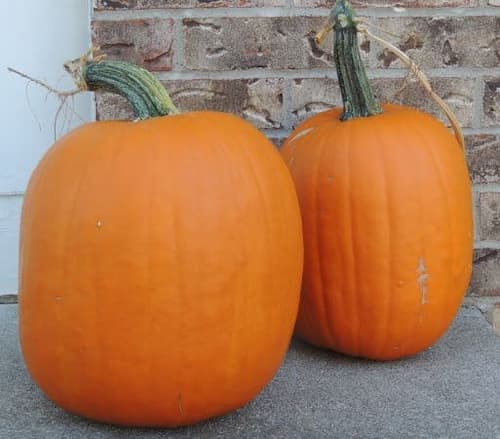
Not all pumpkins are suitable for consumption. Carving pumpkins, also known as jack-o’-lantern pumpkins, are typically larger in size, have a thinner flesh, and are bred for their aesthetic appeal rather than taste. Their flavor is often bland or watery, making them less desirable for cooking.
In contrast, culinary pumpkins, such as sugar pumpkins, kabocha squash, or pie pumpkins, are specifically grown for their taste and texture. These smaller pumpkins have a sweeter, denser flesh that is ideal for roasting, baking, or pureeing in various dishes.
Nutritional Value
Culinary pumpkins are not only flavorful but also packed with nutrients. They are rich in vitamins A and C, fiber, and antioxidants, making them a healthy addition to your diet. Whether enjoyed in soups, pies, or roasted dishes, pumpkins offer a versatile and nutritious option for your meals.
Final Thoughts
So, are all pumpkins edible? The answer depends on the type of pumpkin you have. While decorative pumpkins may not be palatable due to their bland taste and thinner flesh, culinary pumpkins are not only edible but also delicious and nutritious. Next time you encounter a pumpkin, consider its variety before deciding whether it’s suitable for culinary use.
For more information on culinary pumpkins and seasonal recipes, visit the home page of La Real Las Vegas.











