How Are Different Cheeses Made
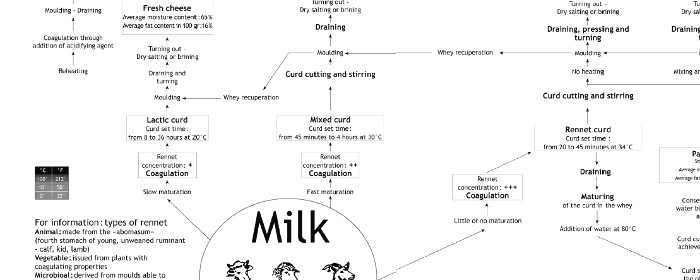
Have you ever wondered how the numerous varieties of cheeses you enjoy are made? Cheese production involves a fascinating process that varies depending on the type of cheese being produced. From creamy brie to tangy cheddar, each cheese has its unique characteristics shaped by the methods used in its creation.
Fresh Cheese
Fresh cheeses like ricotta or mozzarella are made by curdling milk with an acid such as lemon juice or vinegar. The curds are then drained and shaped, resulting in soft, mild cheeses that are best enjoyed shortly after production.
Soft Cheese
Soft cheeses like brie and camembert are made by allowing the milk to curdle with the help of specific bacteria and enzymes. The curds are then gently ladled into molds, where they develop their characteristic bloomy rinds through aging in a controlled environment.
Hard Cheese
Hard cheeses like cheddar or Parmesan require a more involved process. The milk is heated and curdled, then cut into small pieces before being pressed into molds. These cheeses are aged for an extended period, developing complex flavors and textures over time.
Blue Cheese
Blue cheeses such as Roquefort or Gorgonzola are made by introducing a specific strain of mold (Penicillium) into the cheese curds. The cheeses are pierced with needles to allow air penetration, which promotes the growth of the characteristic blue veins that give these cheeses their unique flavor profile.
Conclusion
Exploring the world of cheese production reveals the craftsmanship and artistry that goes into creating the myriad of cheeses enjoyed worldwide. Whether you prefer a soft, creamy cheese or a crumbly blue variety, each cheese’s production method influences its taste and texture.
For more information on cheese and to discover exciting cheese varieties, visit L’Arrealasvegas.com.











