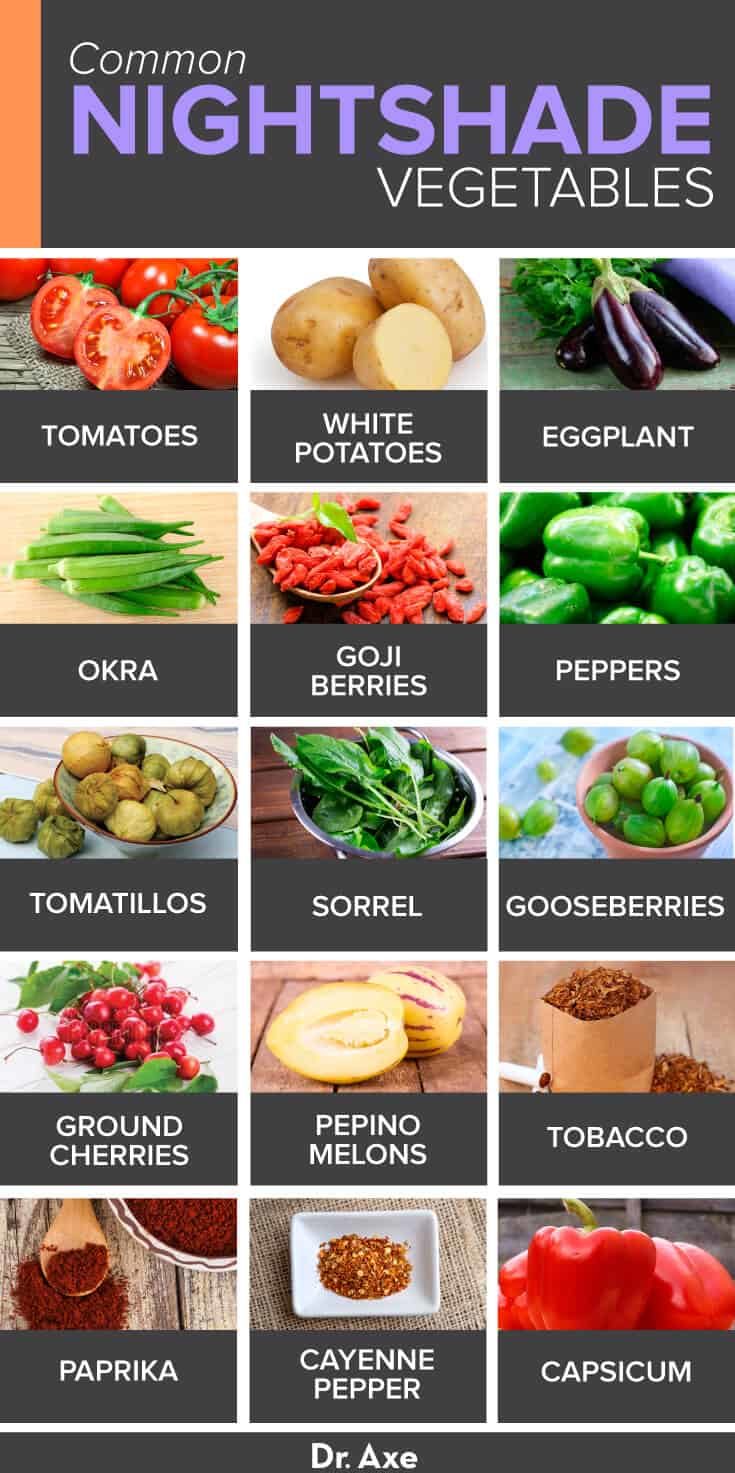
Why Are They Called Nightshade Vegetables
Vegetables play a crucial role in our diets, offering a spectrum of vitamins, minerals, and other essential nutrients. One group of vegetables that often raises curiosity due to its mysterious name is the nightshade vegetables. But why exactly are they called nightshade vegetables?
What Are Nightshade Vegetables?
Nightshade vegetables belong to the Solanaceae family of plants, which includes over 2,000 species ranging from edible crops to ornamental plants. Some common examples of nightshade vegetables are tomatoes, potatoes, bell peppers, and eggplants. While these vegetables are popular in various cuisines worldwide, some people may wonder about the origins of their intriguing name.
Origin of the Name
The term “nightshade” may evoke images of darkness or mystery, leading to misconceptions about the nature of these vegetables. However, the name actually stems from the classification of certain plants, including vegetables, herbs, and flowers, as members of the Solanaceae family.
Historically, the term “nightshade” was associated with poisonous plants within the Solanaceae family, such as deadly nightshade (Atropa belladonna) and mandrake (Mandragora officinarum). These plants contain toxic alkaloids that, when ingested in large quantities, can be harmful to humans. As a result, all plants within the Solanaceae family, both toxic and non-toxic varieties, became known as nightshades.
Are Nightshade Vegetables Dangerous?
Despite the historical association with toxic plants, most nightshade vegetables commonly consumed today are perfectly safe and nutritious. The edible nightshades, like tomatoes, potatoes, and bell peppers, do not pose any health risks to the majority of people when consumed in moderation as part of a balanced diet.
Conclusion
In conclusion, the name “nightshade vegetables” may sound ominous due to its historical ties to toxic plants, but the modern-day edible varieties are safe and healthy to consume. Understanding the origin of this name sheds light on the historical context of plant classification and the diversity within the Solanaceae plant family.
For more information on this topic and other fascinating aspects of food and nutrition, visit our homepage here.











