Saving fresh salmon for later use is a common concern for many seafood enthusiasts. Freezing salmon is a convenient way to preserve the fish while maintaining its flavor and quality.
Salmon can be successfully frozen, allowing for longer storage times without compromising taste or texture, if proper techniques are employed. It is crucial to follow specific guidelines to ensure that the salmon remains safe to eat and retains its natural freshness when frozen.
When freezing salmon, it is essential to start with fresh fish. Ensure that the salmon is cleaned, gutted, and filleted properly before freezing. The fish should be free of any blemishes or off odors to guarantee the best results when thawed.
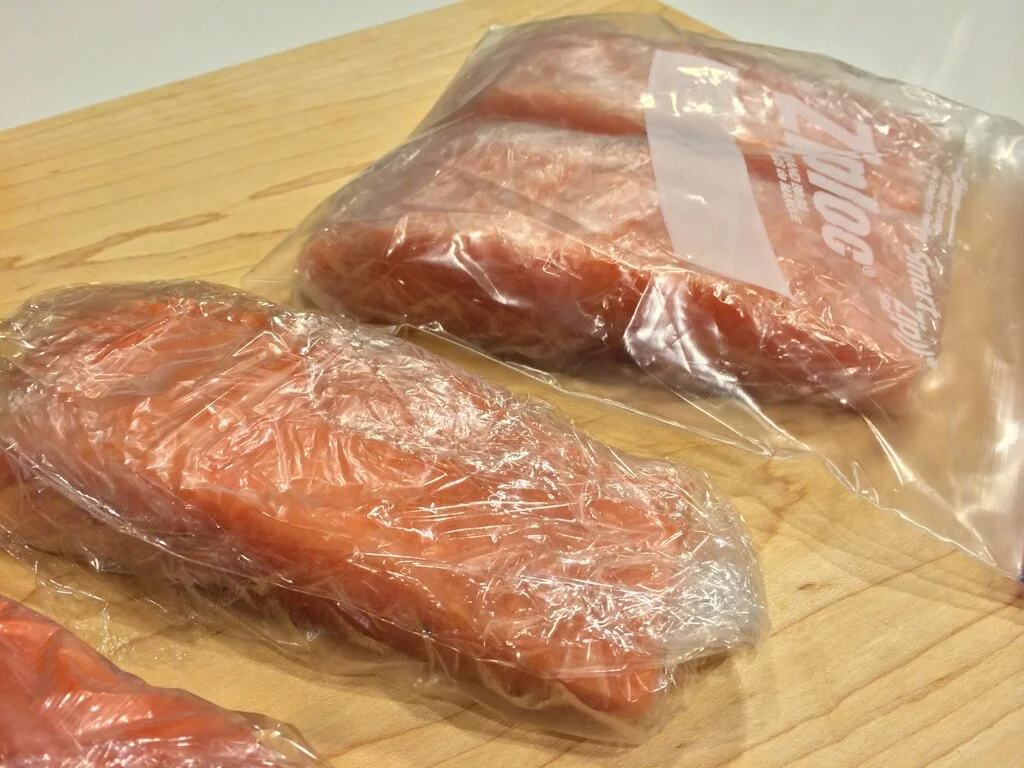
To freeze salmon, it is recommended to use airtight packaging, such as freezer-safe plastic bags or vacuum-sealed pouches. Proper wrapping prevents the fish from being exposed to air, which can cause freezer burn and deterioration in quality. Labeling the packages with the date can help keep track of storage times.
When freezing salmon, it is crucial to set the freezer temperature to 0°F (-18°C) or lower. This ensures that the fish freezes quickly, preserving its texture and flavor. Moreover, maintaining a consistent temperature in the freezer is essential to prevent temperature fluctuations that can affect the quality of the frozen salmon.
- Ensure the salmon is fresh and properly prepared before freezing.
- Use airtight packaging to prevent freezer burn.
- Label packages with the date for easy tracking.
- Set the freezer temperature to 0°F (-18°C) or lower for optimal freezing conditions.
- Maintain a consistent freezer temperature to preserve the quality of the frozen salmon.
In conclusion, freezing salmon is a viable method to extend the shelf life of this delicious fish. By following proper techniques for freezing and storage, you can enjoy high-quality salmon even after it has been frozen. Whether you are meal prepping or saving seafood for a future occasion, freezing salmon can be a convenient solution to keep this nutritious and flavorful fish on hand.
For more information on seafood storage tips and recipes, visit our website here.