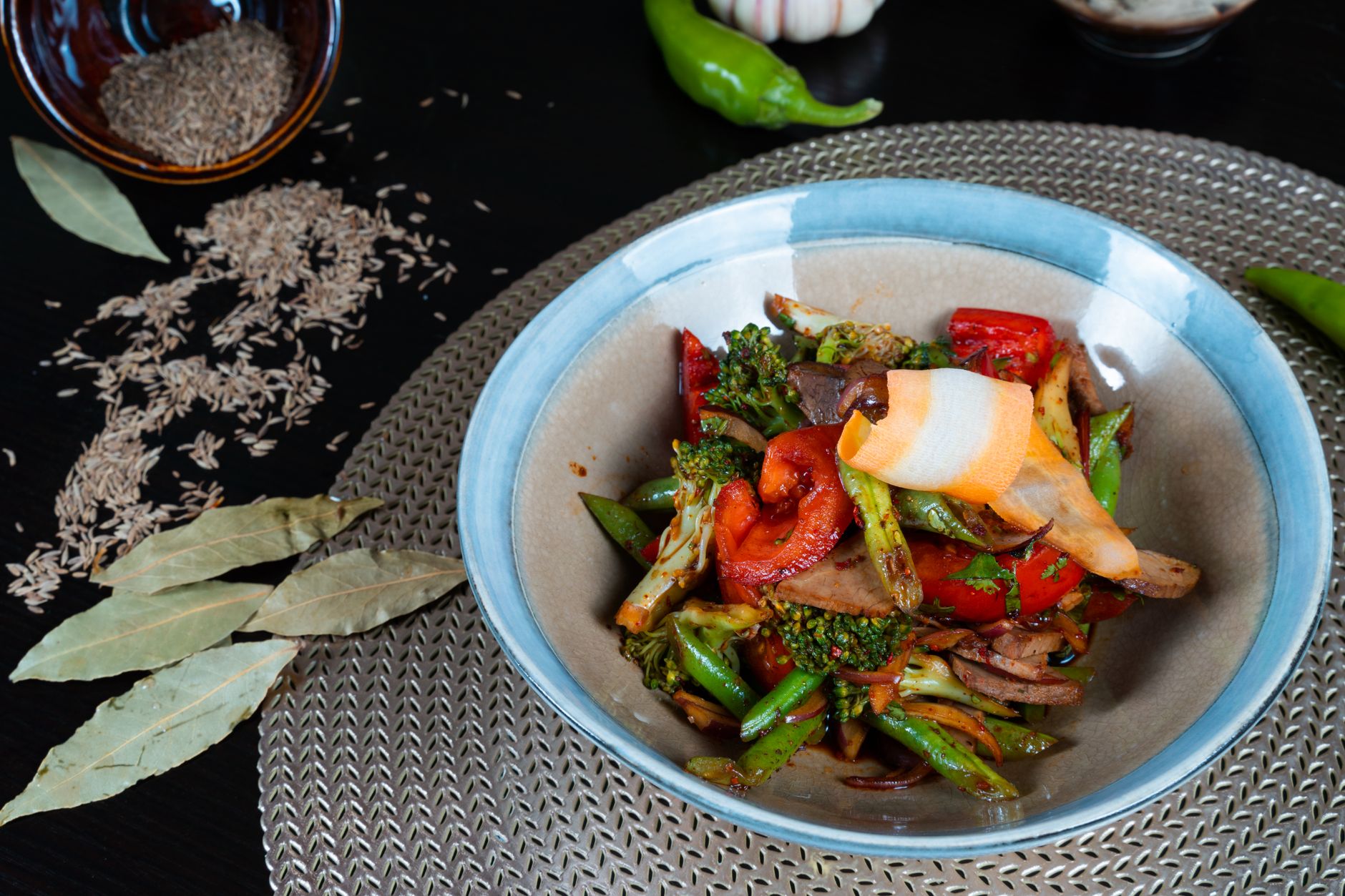
How to Neutralize an Over-Spiced Dish If You Accidentally Made It Too Hot?
You’ve spent time carefully preparing a delicious meal, only to take that first bite and realize your culinary creation is now an inferno. We’ve all been there – a heavy hand with the chili powder, an extra jalapeño, or a particularly potent hot sauce can quickly turn a flavorful dish into something overwhelmingly spicy. But don’t panic! Your over-spiced dish can be saved. There are many effective ways to dial back the heat, allowing you to salvage your meal and enjoy it without needing a fire extinguisher.
Understanding Spice Heat (Capsaicin Science)
Before diving into solutions for how to fix over-spiced food too hot, it helps to understand *why* food tastes spicy. The burning sensation we associate with hot peppers comes primarily from a compound called capsaicin. Capsaicin binds to pain receptors on your tongue and in your mouth, tricking your brain into thinking it’s experiencing actual heat. It’s not dissolving or breaking down; it’s simply triggering a sensation. Because capsaicin is a non-polar molecule, it doesn’t dissolve well in water, which is why drinking water often spreads the heat rather than diminishing it. Instead, it readily dissolves in fats, oils, and alcohol. This scientific understanding forms the basis for many of the most effective cooling strategies.
Top Methods to Neutralize Heat (Ranked)
When you need to reduce spice heat in dish, not all methods are created equal. Here are the most effective techniques, ranked to help you make spicy food less hot, starting with the most impactful.
-
Add Dairy or Fat (Most Effective)
This is your first and best line of defense because capsaicin is fat-soluble. Fats and oils literally dissolve the capsaicin molecules, effectively “washing” them away from your pain receptors.
- **Plain Dairy:** Stir in a generous dollop of sour cream, plain yogurt (Greek yogurt works wonders), cream cheese, or a splash of heavy cream or milk. For non-dairy options, full-fat coconut milk (especially in curries and stews) or a swirl of nut butter (like peanut or cashew butter) can achieve a similar effect.
- **Avocado:** Mash in some ripe avocado. Its creamy fat content is excellent for absorbing heat and adding a luscious texture.
-
Introduce Acid
Acidity helps cut through the heat, balancing the dish’s flavor profile and often providing a refreshing contrast that makes the spice less aggressive.
- **Citrus Juices:** Squeeze in fresh lemon or lime juice. Start with a teaspoon and taste.
- **Vinegar:** A splash of apple cider vinegar, white vinegar, or rice vinegar can brighten the flavors and tame the fire.
- **Tomatoes:** Tomato paste or crushed tomatoes (if appropriate for the dish) add both acidity and sweetness.
-
Sweeten It Up
Sugar doesn’t neutralize capsaicin, but it distracts your taste buds and softens the perception of heat, making the dish more palatable.
- **Sugar/Honey/Maple Syrup:** Add a small amount, starting with half a teaspoon. Taste and add more if needed.
- **Sweet Fruits/Vegetables:** Incorporate grated carrots, sweet potatoes, or even finely diced apples or pineapple (depending on the dish profile) for natural sweetness and bulk.
-
Dilute with More “Neutral” Ingredients (Without Flavor Loss)
This is a classic way to fix too spicy food. By increasing the overall volume of the dish with unspiced ingredients, you effectively spread the capsaicin out, reducing its concentration per bite.
- **More of the Same:** If you have unspiced portions of the main ingredients (extra cooked chicken, vegetables, or broth), add them in. This is ideal for maintaining the original flavor profile.
- **Add Starchy Vegetables:** Diced potatoes, sweet potatoes, or carrots can absorb some of the spice and add bulk.
- **Extra Stock/Broth:** For soups, stews, and sauces, adding more low-sodium stock or water can significantly reduce the heat without majorly altering the flavor, especially if you then adjust seasoning slightly.
-
Bulk Up with Starches
Starches don’t chemically neutralize capsaicin, but they provide a physical buffer and absorb some of the spicy liquid.
- **Cooked Rice or Pasta:** Stir cooked rice or pasta directly into sauces or stews.
- **Potatoes:** Adding peeled, diced potatoes to a simmering dish can absorb a lot of the heat. Remove them once cooked if you don’t want them in the final dish, or leave them for added texture and volume.
- **Bread Crumbs:** For drier dishes, a small amount of unseasoned bread crumbs can soak up excess sauce and spice.
-
Garnish with Cooling Elements
While these don’t reduce the heat in the dish itself, they offer a fresh contrast that provides immediate relief with each bite.
- **Fresh Herbs:** Cilantro, mint, or parsley can provide a refreshing counterpoint.
- **Cool Vegetables:** Diced cucumber, fresh tomatoes, or thinly sliced bell peppers.
-
Serve with Neutral Sides
This is a strategy for eating a spicy dish, rather than modifying it, but it’s highly effective.
- **Plain Starches:** Serve generous portions of plain white rice, naan bread, tortillas, or warm crusty bread.
- **Cool Dairy:** Offer a side of plain yogurt or sour cream for diners to add to their own plates.
- **Simple Salad:** A crisp green salad with a mild dressing can provide a refreshing break from the heat.
Dish-Specific Strategies
The best way to neutralize hot peppers often depends on the type of dish you’re making.
- **Soups and Stews:** Add more unspiced broth, water, or canned diced tomatoes. Increase the volume of non-spicy vegetables like potatoes, carrots, or beans. A swirl of heavy cream or coconut milk works wonders.
- **Sauces (Pasta, Curry, Chili):** Stir in dairy (yogurt, sour cream, cream cheese), nut butter, or canned coconut milk. Add tomato paste, a touch of sugar, or a squeeze of lime juice. If it’s a chunky sauce, adding more unspiced protein (e.g., plain cooked chicken) or vegetables can dilute the heat.
- **Solid Dishes (Stir-fries, Roasted Vegetables, Meats):** For stir-fries, add more unspiced vegetables like bell peppers, onions, or cabbage. For roasted items, serve with a creamy dipping sauce (yogurt, sour cream, aioli) or pair with a mild grain like couscous or quinoa. If possible, remove some of the heavily spiced pieces and replace them with unspiced equivalents, or simply mix in more unspiced ingredients.
Prevention Tips for Balanced Spice
The best way to make spicy food less hot is to avoid over-spicing it in the first place.
- **Add Gradually:** Always start with less spice than you think you need. You can always add more, but it’s much harder to remove it.
- **Taste as You Go:** Incorporate spices in stages and taste frequently. This is especially crucial when using new chili powders or fresh peppers, as their potency can vary greatly.
- **Be Mindful of Accumulation:** Remember that spice heat can build up, especially in dishes that simmer for a long time.
- **Separate Heat:** For dishes where some prefer more heat, consider adding a portion of the chili or hot sauce at the very end or serving it on the side.
Frequently Asked Questions
What’s the best way to cool down spicy food?
The best and most effective way to reduce spice heat in dish is by incorporating dairy or fat. Ingredients like sour cream, plain yogurt, heavy cream, or full-fat coconut milk are excellent because capsaicin, the compound responsible for the heat, is fat-soluble. The fats dissolve the capsaicin, effectively removing it from your taste receptors and providing immediate relief.
Does adding dairy really reduce spice heat?
Yes, adding dairy absolutely reduces spice heat, and there’s a scientific reason for it! Capsaicin, the active compound in hot peppers, is hydrophobic (doesn’t mix with water) but lipophilic (mixes well with fats). Dairy products like milk, yogurt, and sour cream contain casein, a protein that binds to capsaicin, helping to wash it away from your mouth’s pain receptors. The fat content in dairy also helps to dissolve the capsaicin, making it one of the most effective methods to neutralize hot peppers.
Can you remove spice from a dish without diluting flavor?
It’s challenging to “remove” spice without any dilution, but you can certainly reduce it while preserving the dish’s core flavor. The key is to add more *unspiced* ingredients that are already part of the dish, such as extra plain broth, vegetables, or protein. This increases the volume and spreads the capsaicin without introducing new, potentially clashing flavors. Adding a touch of acid (like lime juice) or a hint of sugar can also balance and distract from the heat without significantly diluting the overall flavor intensity.
What’s the fastest way to fix over-spiced food?
The fastest way to fix over-spiced food too hot is to immediately stir in a generous amount of a rich dairy product like sour cream, plain Greek yogurt, or heavy cream. For non-dairy options, full-fat coconut milk or a spoonful of a smooth nut butter (if compatible with the dish) can work quickly. These fat-rich ingredients rapidly dissolve the capsaicin and provide instant relief from the burning sensation.
Mastering spice balance is a skill that comes with practice. Don’t let an accidental over-spicing ruin your meal – with these quick fixes, you can always bring your dish back to delicious equilibrium.