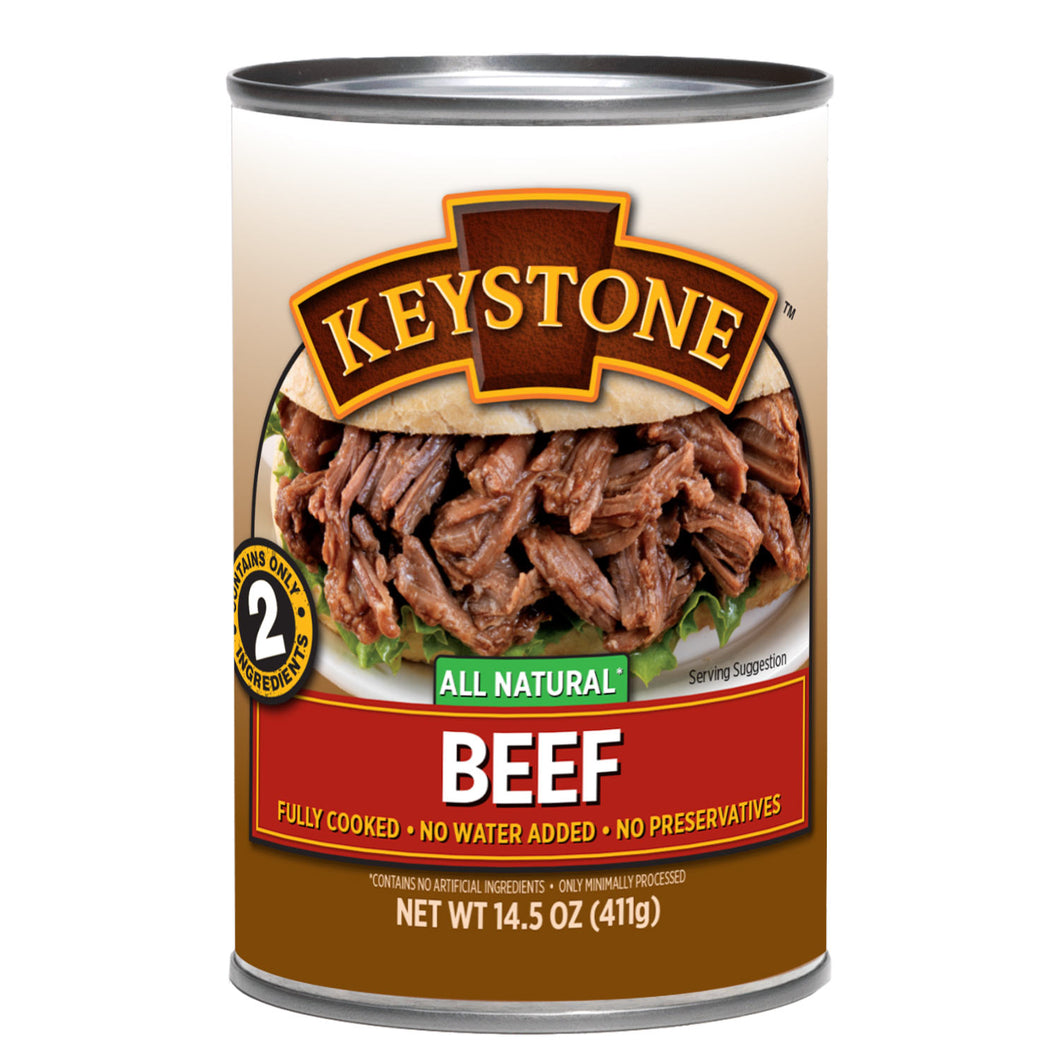
Why are Cans 14.5 oz
When it comes to beverage cans, the 14.5 oz size has become a popular choice among manufacturers for various reasons. Understanding the rationale behind this specific volume can shed light on the decisions made in the beverage industry.
Standardization and Convenience
The 14.5 oz size falls within the range of standard can sizes available in the market. Standardization is crucial for manufacturers as it allows for efficient production processes and packaging. By sticking to established sizes like 14.5 oz, companies can streamline their operations and meet consumer expectations.
Consumer Preferences
Market research and consumer studies play a significant role in determining can sizes. The 14.5 oz can is often preferred by consumers for its moderate volume, making it suitable for single servings without being too large or too small. This size strikes a balance that appeals to a wide range of customers.
Economic Considerations
From a business perspective, the 14.5 oz can size offers cost-efficiency for both manufacturers and consumers. Companies can optimize production and distribution processes when working with a standardized size. Additionally, consumers may find this size to be more affordable compared to larger options.
Environmental Impact
Choosing the 14.5 oz can size can also have environmental implications. While larger cans may lead to more waste if not fully consumed, smaller cans may result in excess packaging for the same amount of beverage. The 14.5 oz size strikes a balance between serving size and environmental impact, making it a sustainable choice.
Adaptability and Marketing
Another reason for the popularity of the 14.5 oz can is its adaptability in marketing strategies. The size allows for versatility in branding, promotions, and product positioning. Whether marketed as a single serve or part of a larger package, the 14.5 oz can offers flexibility for manufacturers to cater to different consumer needs.
In conclusion, the choice of a 14.5 oz can is influenced by various factors such as standardization, consumer preferences, economic considerations, environmental impact, and marketing strategies. By understanding these reasons, manufacturers can make informed decisions that benefit both their businesses and consumers.
For more insights into the beverage industry, visit the home page.











