Is Coconut a Nut?
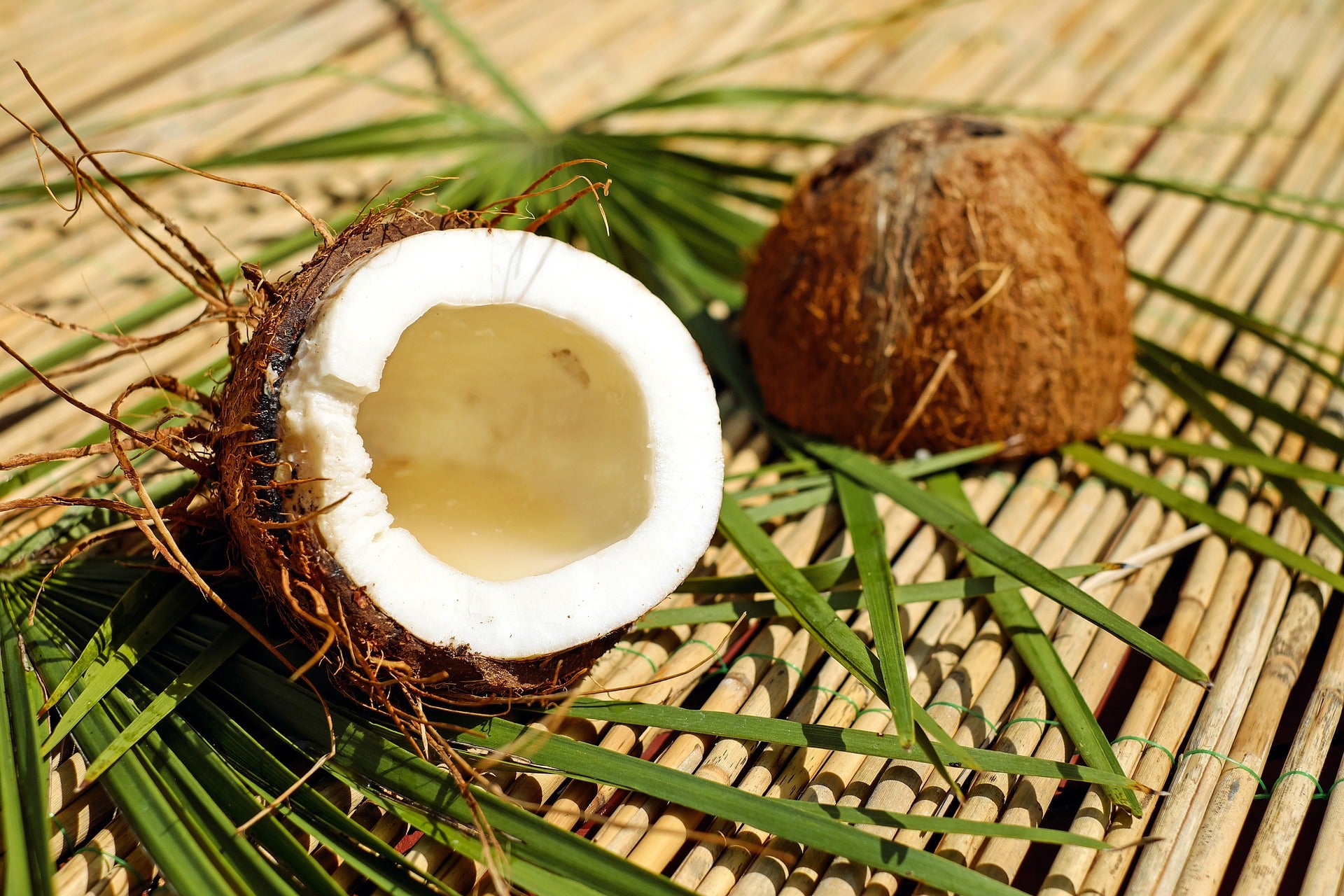
Coconuts have long been a subject of confusion when it comes to their classification as a nut. Despite its name, the coconut does not fall into the category of true nuts from a botanical standpoint. Instead, coconuts are classified as a drupe, a type of fruit with a hard, stone-like seed at its center. This distinction is crucial in understanding the nature of coconuts and their nutritional composition.
Why Coconuts are Not Nuts
Botanically speaking, true nuts are dry fruits that do not split open at maturity to release their seeds. Examples of true nuts include hazelnuts, chestnuts, and acorns. In contrast, coconuts are considered drupes because they consist of an outer fleshy part (exocarp), a thick middle layer (mesocarp), and a hard inner layer that encases the seed (endocarp).
Nutritional Profile of Coconuts
Despite not being a true nut, coconuts are highly nutritious and packed with essential nutrients. The meat of the coconut is rich in healthy fats, fiber, vitamins, and minerals. Coconut water, found inside young coconuts, is an excellent source of hydration and contains electrolytes such as potassium and magnesium.
Common Uses of Coconuts
- Coconut oil: Used in cooking, baking, and skincare
- Coconut milk: A creamy dairy alternative in recipes
- Coconut flour: Gluten-free alternative for baking
- Coconut water: Refreshing beverage with natural electrolytes
Despite its unique classification as a drupe, coconuts have become a versatile ingredient in various culinary and wellness practices worldwide.
Conclusion
In conclusion, while the common name “coconut” may suggest a nut, coconuts are botanically classified as drupes. Understanding the difference between true nuts and drupes helps clarify the nature of coconuts and their role in nutrition and daily life.
For more information, visit our home page.











