Understanding the Techniques Used for Making Mayonnaise
Mayonnaise is a popular and versatile condiment that serves as a base for numerous sauces and dressings. While many people enjoy store-bought mayonnaise, making your own at home can elevate the flavor and quality of this classic emulsion. To create a delicious homemade mayonnaise, it’s essential to understand the techniques involved in the process.
Emulsification Process
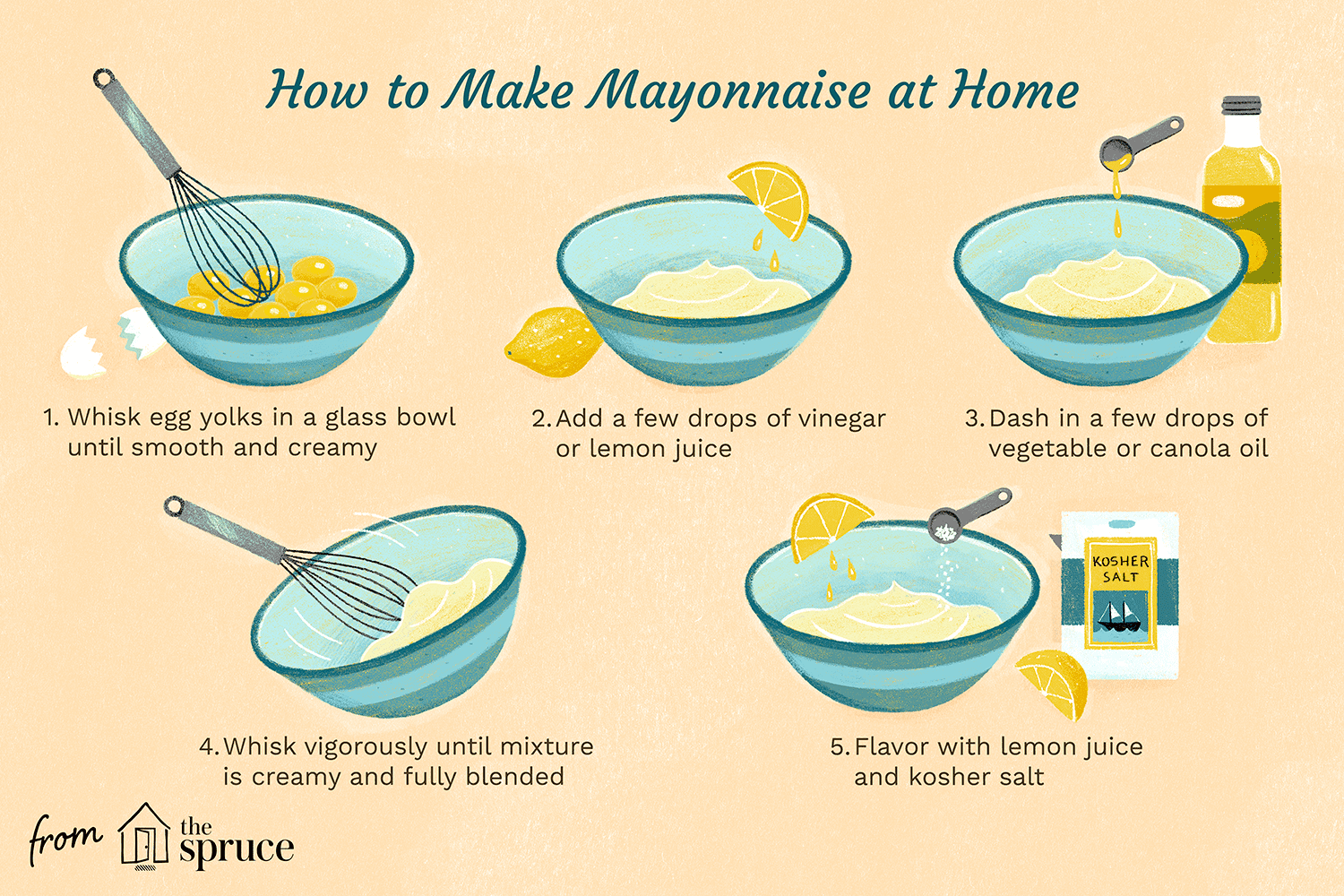
At the core of mayonnaise production lies the process of emulsification. Emulsification involves combining two liquids that normally don’t mix well together, such as oil and water, into a stable mixture. In the case of mayonnaise, the primary ingredients include oil, egg yolks, and an acidic element such as vinegar or lemon juice. The key to successful emulsification is to gradually incorporate the oil into the egg yolks while continuously whisking or blending the mixture.
Techniques for Making Mayonnaise
There are various techniques for preparing mayonnaise, each focusing on achieving the desired creamy texture and rich flavor profile. One common method involves whisking the egg yolks and acid together before slowly drizzling in the oil, a process that requires patience and precision to create a smooth, well-emulsified mayonnaise.
- Hand Whisking: Traditionalists may prefer the hand-whisking method, which involves using a whisk and a bowl to create mayonnaise. This technique allows for better control over the emulsification process but requires physical effort and attention to detail.
- Food Processor or Blender: For a quicker and easier approach, utilizing a food processor or blender can speed up the emulsification process. By slowly pouring in the oil while the machine is running, you can achieve a creamy mayonnaise in a fraction of the time.
Troubleshooting and Tips
While making mayonnaise is a relatively simple process, it can sometimes be tricky to achieve the perfect consistency. If your mayonnaise breaks or fails to emulsify, you can try adding a few drops of hot water or mustard to help bind the mixture together. Additionally, ensuring that all ingredients are at room temperature can improve the emulsification process.
Experimentation and Flavor Enhancements
One of the joys of making mayonnaise at home is the ability to experiment with different flavor variations. By adding ingredients such as garlic, herbs, or spices, you can customize your mayonnaise to suit your preferences and elevate your dishes with unique flavors.
Conclusion
Mastering the techniques for making mayonnaise can empower you to create a superior condiment that enhances a wide range of dishes. Whether you choose to stick to traditional methods or explore innovative flavor combinations, the process of making mayonnaise offers a rewarding culinary experience.
For more culinary inspiration and recipes, visit Larrea Las Vegas.











