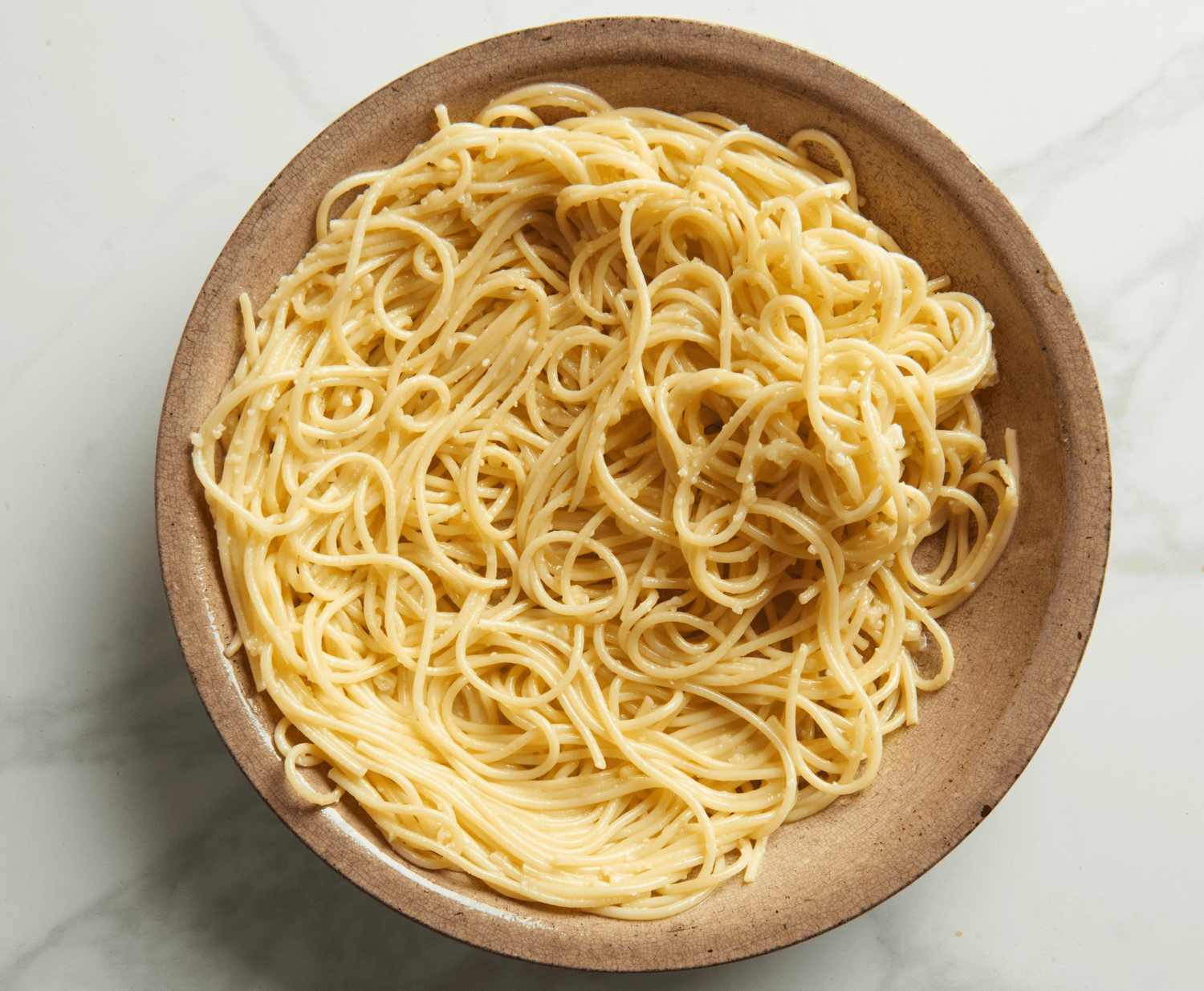
Understanding Al Dente: A Culinary Delicacy
Al dente is a term used in the culinary world to describe the ideal texture of cooked pasta, rice, or vegetables. Originating from Italian cuisine, al dente translates to “to the tooth” in English, indicating that the food should be cooked just enough to offer a slight resistance when bitten into.
What Makes Al Dente Special?
The magic of al dente lies in achieving a balance between firmness and tenderness. When pasta is cooked al dente, it retains a pleasant chewiness and doesn’t become mushy. This texture enhances the overall dining experience, allowing each bite to be satisfying and pleasing to the palate.
How to Cook Al Dente
To cook pasta al dente, it is essential to follow the instructions on the packaging for the recommended cooking time. However, the best way to ensure the perfect texture is to taste the pasta a minute or two before the indicated time. The pasta should be firm yet tender, with a slight white core visible when bitten into.
- Use a large pot of boiling, salted water.
- Stir the pasta well after adding it to the water.
- Regularly check the pasta for doneness.
- Reserve a small amount of pasta water when draining, as it can help in sauce preparation.
Al Dente Beyond Pasta
While al dente is commonly associated with pasta, it can also be applied to other ingredients like vegetables and rice. Vegetables cooked al dente are crisp yet tender, offering a fresh and vibrant taste. Rice cooked al dente maintains a slight bite, making it perfect for risottos and paellas.
Enjoying Al Dente
Whether you prefer spaghetti, penne, or linguine, mastering the art of cooking al dente can elevate your dishes to new heights. Embrace this culinary technique and savor the unique texture and flavor it brings to your meals.
About the Author
Our culinary expert has years of experience in crafting delectable dishes and mastering the art of al dente cooking. Stay tuned for more insightful tips and tricks to enhance your culinary skills.











