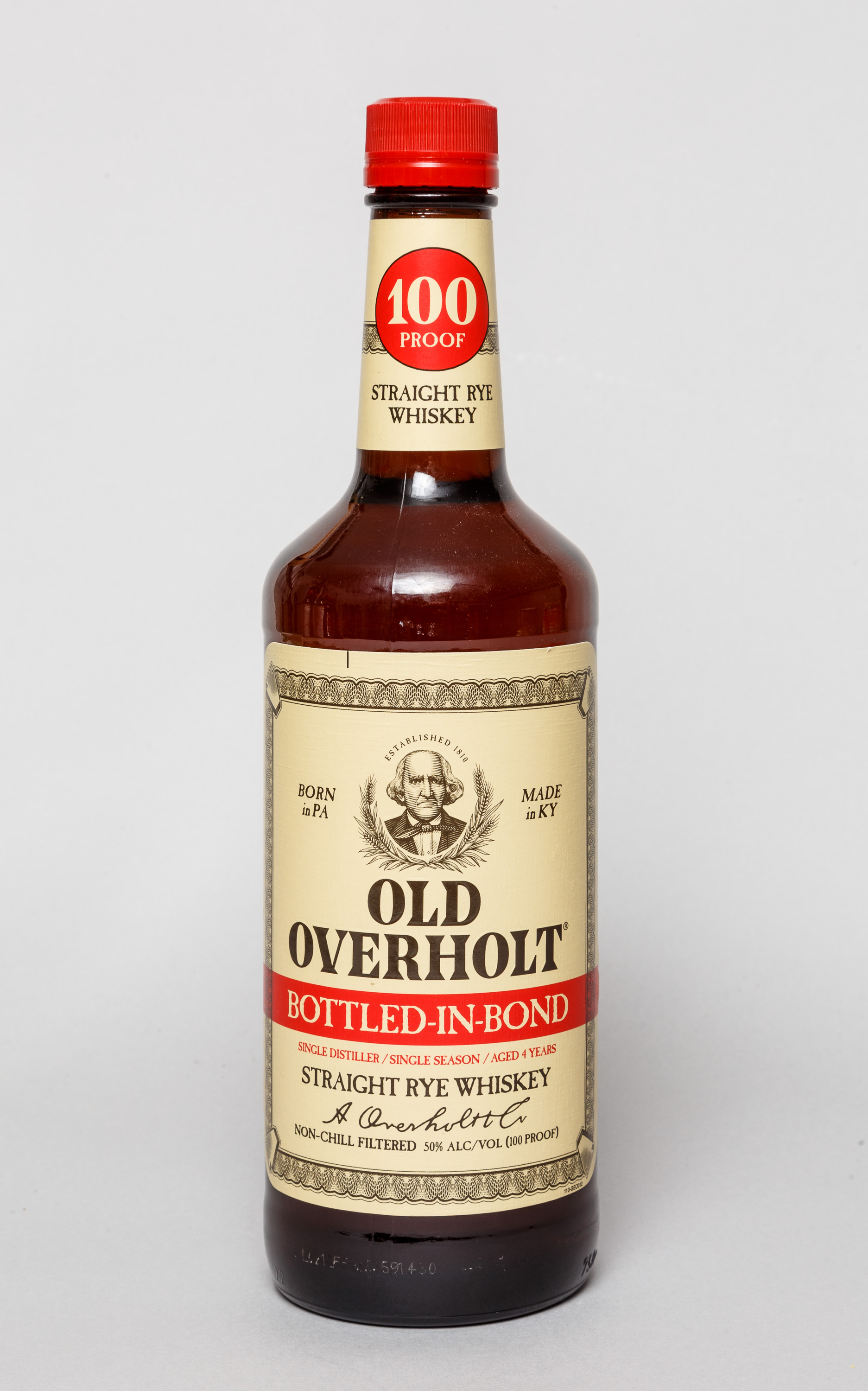
Understanding “Bottled in Bond”: A Mark of Quality in Spirits
When perusing the shelves of your local liquor store or browsing the drinks menu at a bar, you may come across the term “Bottled in Bond” on certain bottles. But what does this designation actually mean, and why is it significant in the world of spirits?
History and Origins
The term “Bottled in Bond” has its roots in the Bottled-in-Bond Act of 1897, a landmark piece of legislation passed by the U.S. government to regulate and ensure the quality of distilled spirits. Under this act, spirits labeled as Bottled in Bond must adhere to strict production standards set forth by the government.
Key Requirements
In order to be labeled as Bottled in Bond, a spirit must meet the following criteria:
- Produced by one distillery in one distillation season
- Aged for a minimum of four years under government supervision
- Bottled at exactly 100 proof (50% alcohol by volume)
- Label must clearly identify the distillery where it was distilled and bottled and the distillation season
Significance of the Designation
The “Bottled in Bond” designation serves as a mark of quality and authenticity for spirits enthusiasts. It signifies that the spirit in the bottle has met stringent production standards, ensuring consistency and quality in every sip.
Examples of Bottled in Bond Spirits
Some well-known spirits that carry the Bottled in Bond designation include:
- Old Grand-Dad Bourbon
- Rittenhouse Rye Whiskey
- Heaven Hill Bottled-in-Bond Bourbon
Conclusion
Next time you’re in the mood for a high-quality spirit, keep an eye out for the “Bottled in Bond” label. This designation signifies a commitment to quality and tradition that dates back over a century, making it a reliable indicator of excellence in the world of spirits.
Visit our homepage for more articles on spirits and cocktails.











