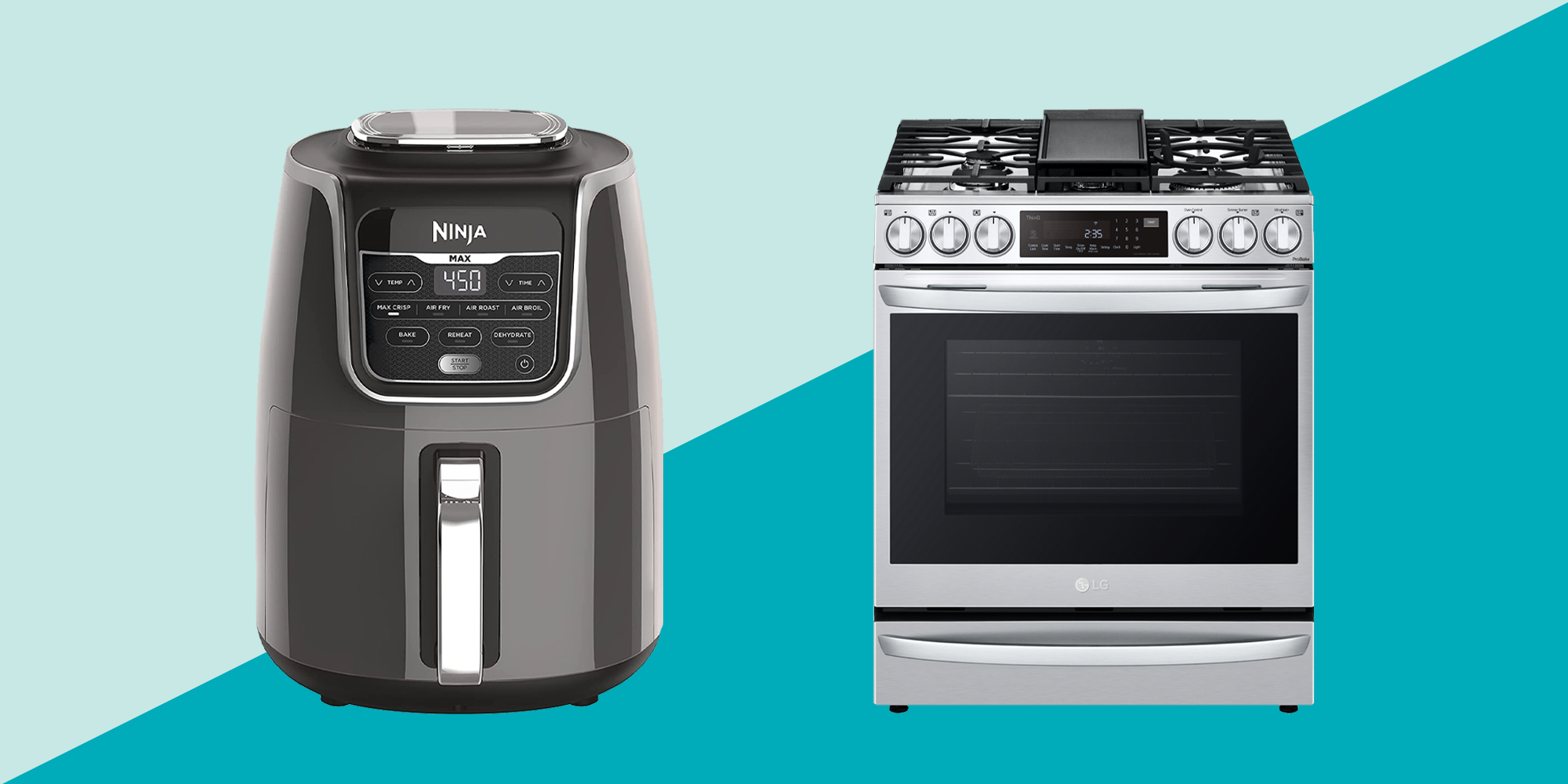
Is a Convection Oven the Same as an Air Fryer?
When it comes to kitchen appliances, there is often confusion surrounding the differences between various devices. One common question that arises is whether a convection oven is the same as an air fryer. To clarify this misconception, let’s delve into the functionalities and features of each appliance.
Convection Oven
A convection oven is a traditional oven that contains a fan and exhaust system to circulate hot air around the food. This circulation of air results in even cooking and faster cooking times compared to conventional ovens. The increased air movement helps to eliminate hot spots, ensuring that the food is cooked uniformly.
Air Fryer
An air fryer, on the other hand, is a compact kitchen appliance that cooks food by circulating hot air around it at high speeds. This process creates a crispy outer layer similar to deep-frying but using significantly less oil. Air fryers are known for their convenience and the ability to produce crispy and delicious dishes with less fat.
Key Differences
- The primary difference between a convection oven and an air fryer lies in their size and cooking method. Convection ovens are larger and use a fan to circulate air, while air fryers are smaller and circulate air at higher speeds to create a crispy texture.
- While both appliances offer faster cooking times and even heating, air fryers excel in producing crispy foods with a fraction of the oil required for deep frying.
- Convection ovens are versatile and can be used for a wide range of cooking methods, while air fryers are specifically designed for air frying but can also bake, roast, and grill to a certain extent.
In conclusion, while convection ovens and air fryers share some similarities in terms of circulating hot air for cooking, they serve different purposes and offer unique benefits. Convection ovens are suitable for a variety of cooking techniques and larger quantities of food, while air fryers are ideal for achieving crispy textures with less oil. Understanding the distinctions between these two appliances can help you choose the right one based on your cooking needs and preferences.
For more kitchen appliance insights and cooking tips, visit the home page of our website.











